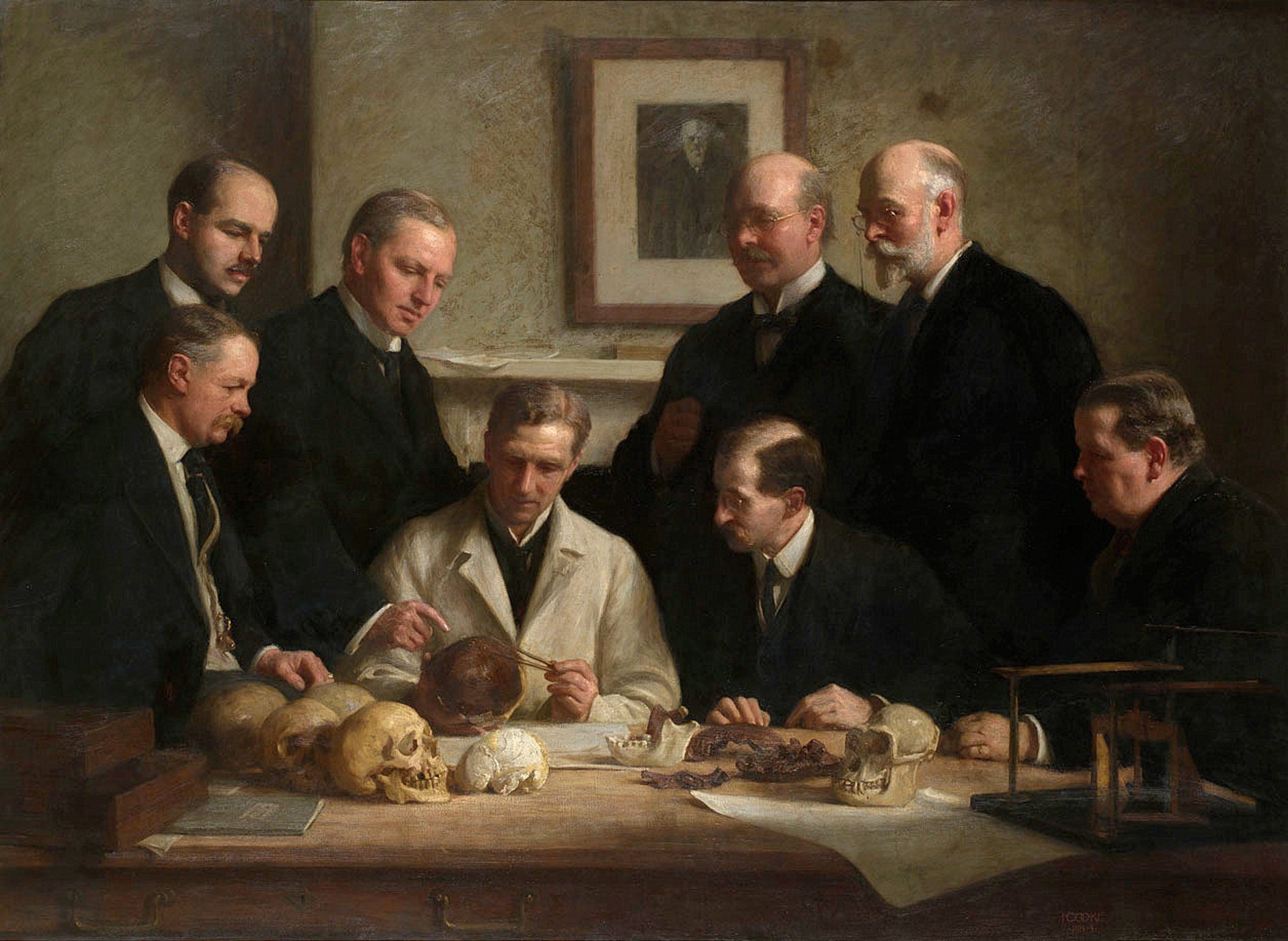
Piltdown Man was a supposed "missing link" between apes and humans, announced in 1912 from fossil fragments found in England. For decades it misled the study of human origins, until it was exposed in 1953 as a deliberate hoax, one of the most famous frauds in the history of science.
In 1912, fragments of a skull and jaw were unearthed in a gravel pit at Piltdown, in southern England, and presented to the scientific world. They were hailed as the remains of an ancient human ancestor, a creature with a large, human like brain but a primitive, ape like jaw, seemingly the long sought link between apes and humans.
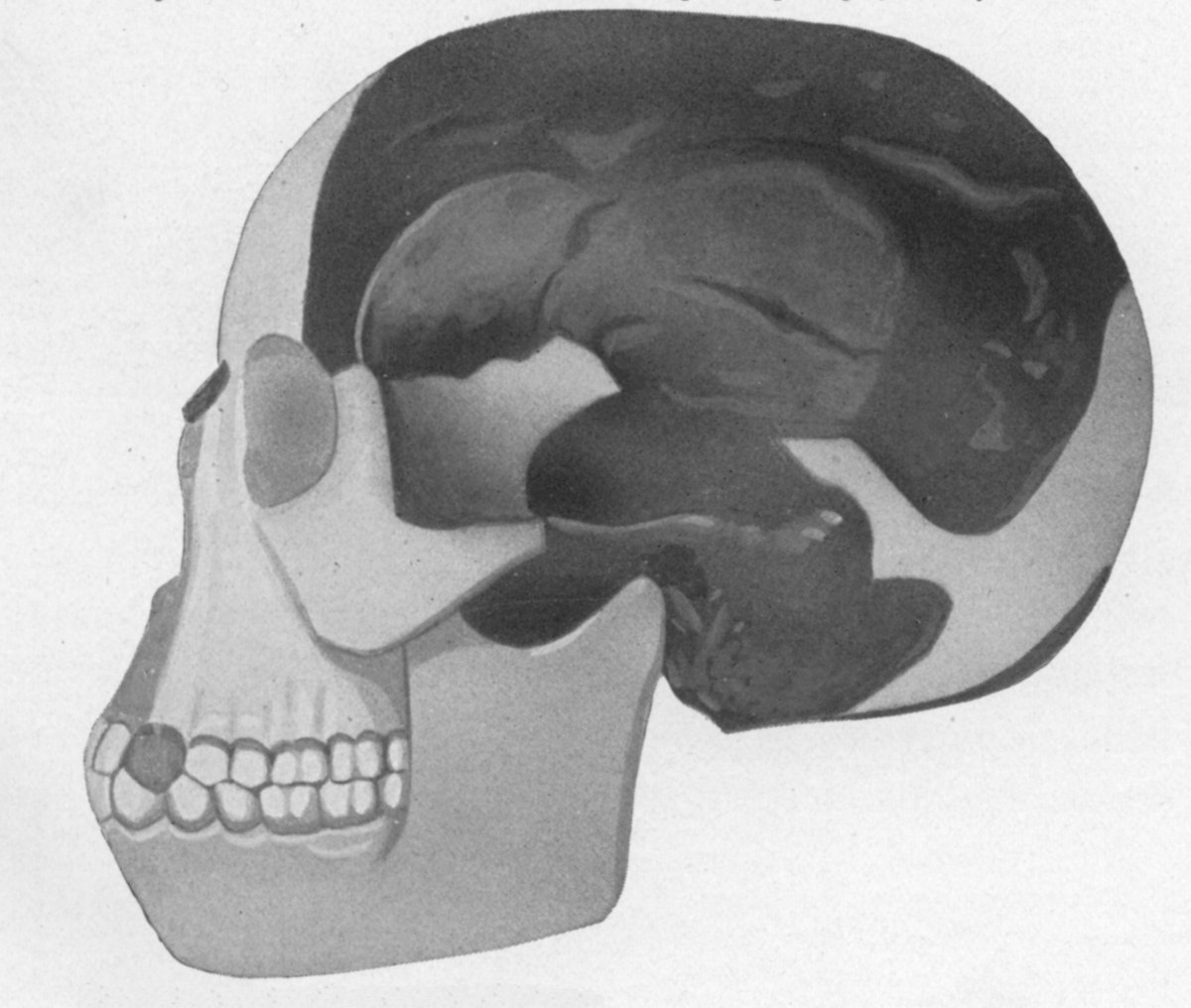
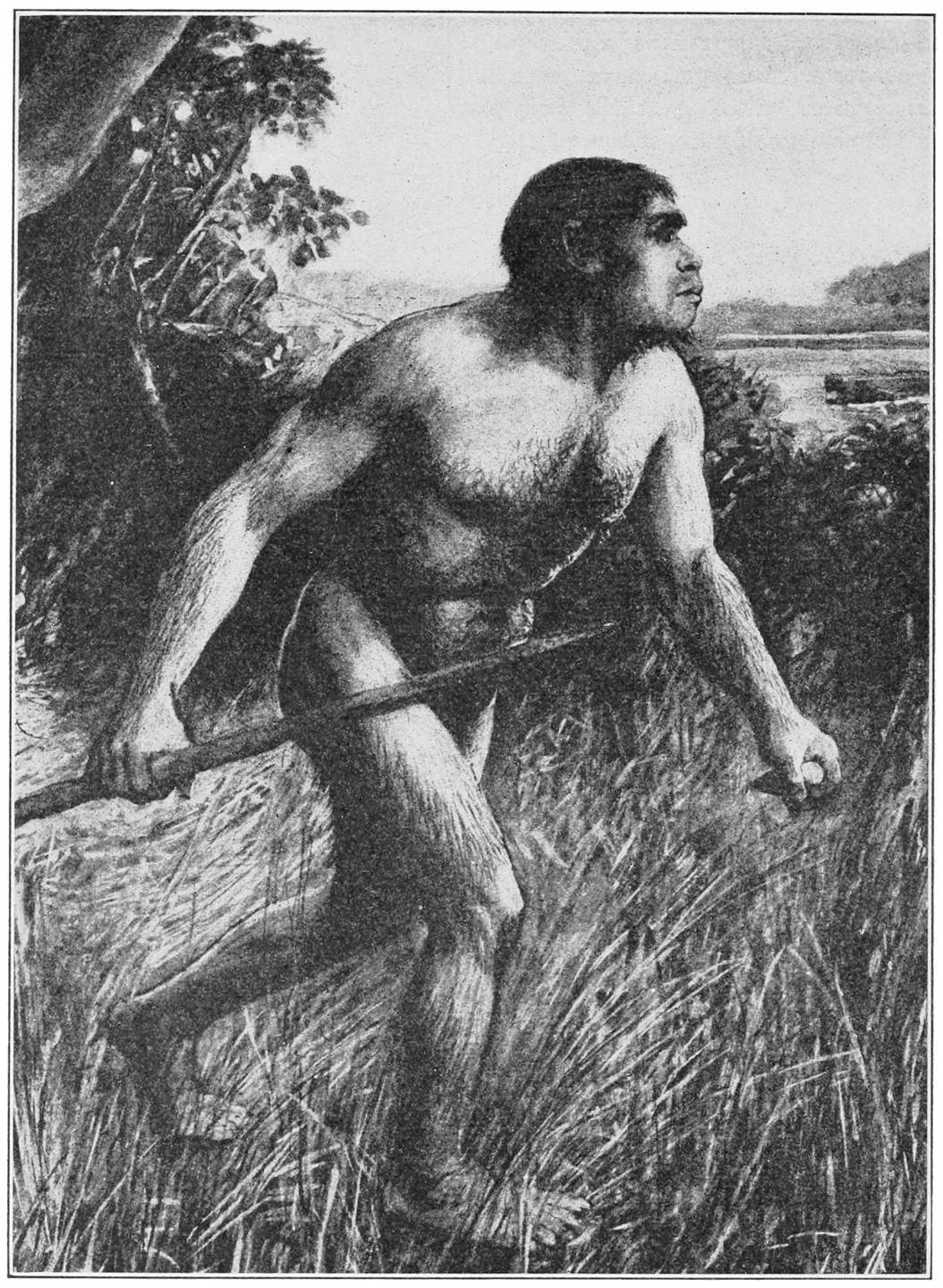
Named Eoanthropus dawsoni after Charles Dawson, the amateur who claimed to have found it, Piltdown Man was embraced by many scientists, especially in Britain, who were eager for an important early human fossil on home soil. It fit the expectations of the day and was woven into accounts of how humans evolved.
Yet Piltdown Man never sat comfortably with other discoveries. As genuine human fossils were found around the world, in Africa and Asia, they revealed a different pattern of evolution, in which an ape like skull came first and a larger brain developed later, the opposite of what Piltdown seemed to show.
For decades Piltdown remained an awkward anomaly, a puzzle that refused to fit the emerging story of human origins. Some scientists quietly set it aside, treating it as a strange exception. The growing weight of other, consistent fossils gradually made Piltdown look stranger and stranger.
In 1953, modern scientific tests finally revealed the truth. The specimen was a fake, a clever forgery. It combined a medieval human skull with the jaw of an orangutan, stained to look ancient and matched in colour, with the teeth deliberately filed down to disguise their true shape. Piltdown Man had never existed.
The forgery had fooled experts for forty years partly because it told them what they wanted to hear, and partly because the skull and jaw had been treated to appear genuinely old and to seem to belong together. Only careful chemical and microscopic analysis, unavailable in 1912, finally unmasked it.
Exactly who created the hoax, and why, has never been settled. Charles Dawson is the prime suspect, but others have been accused over the years, and the full story remains a mystery. The motive, whether ambition, mischief, or a grudge against the scientific establishment, is still debated.
The Piltdown affair delayed the acceptance of genuine human fossils for years and embarrassed the scientific community. Yet it also shows science correcting itself, as better evidence and new tests eventually exposed the fraud. Piltdown Man stands debunked, a cautionary tale about wishful thinking and the vital importance of rigorous testing.
