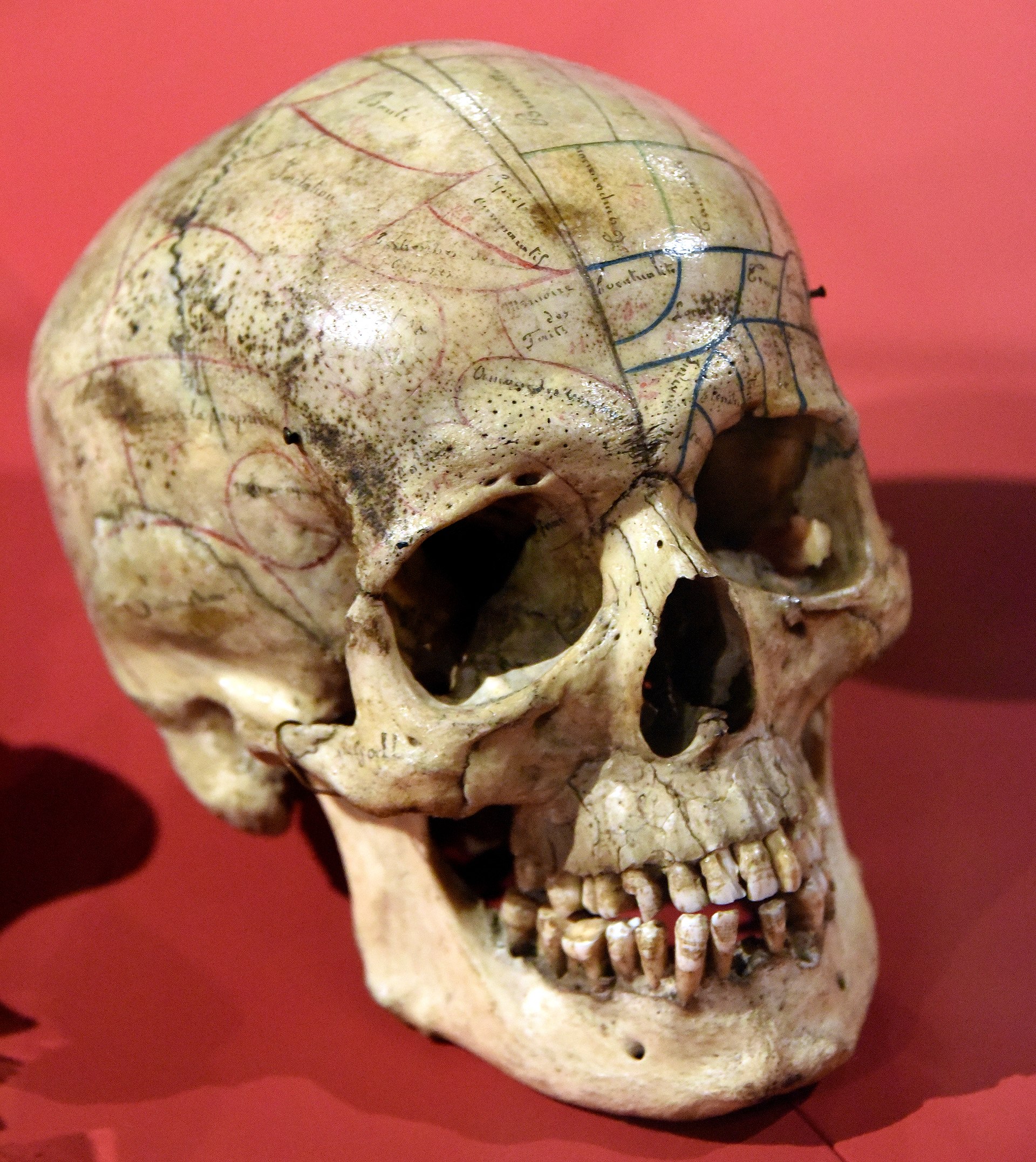
Phrenology was a popular nineteenth century practice that claimed a person's character and mental abilities could be read from the shape and bumps of their skull. It was widely embraced for decades, taught, charged for, and used to make real judgments about people, before being thoroughly discredited as a pseudoscience.
Developed by the physician Franz Joseph Gall around 1800, phrenology held that the brain was made of dozens of distinct organs, each responsible for a specific trait such as kindness, ambition, or aggression. A well developed organ, the theory said, would be larger and would push out the skull above it.
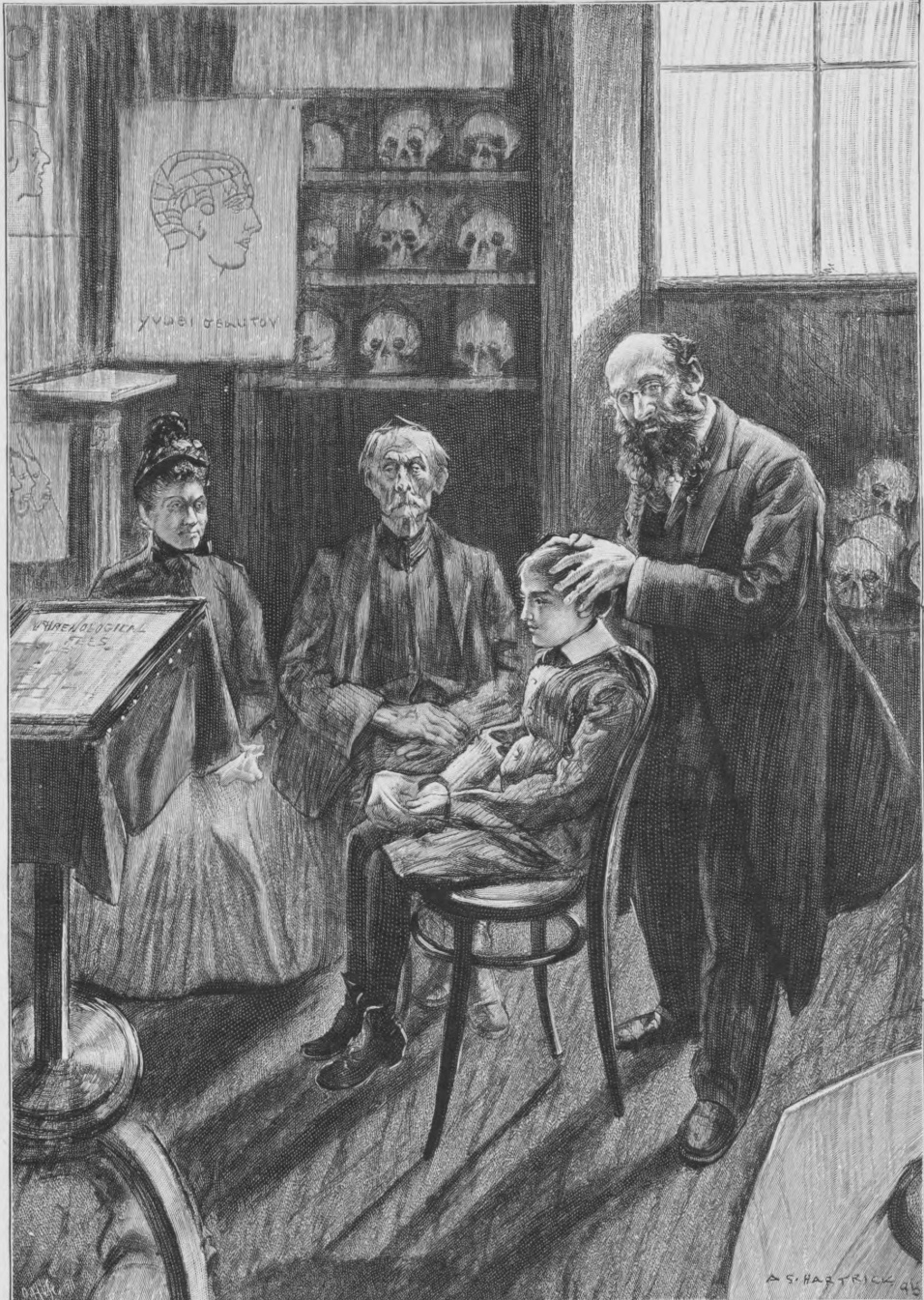
Phrenology became enormously popular, especially in Britain and the United States. Practitioners would run their fingers over a person's head, feeling for bumps and hollows, and then pronounce confident judgments about their personality, intelligence, and even their likely criminality. People paid for readings to guide decisions about careers, marriages, and hiring.
Phrenology fails on every count. The outer surface of the skull does not follow the surface of the brain beneath it, so its bumps reveal nothing about brain structure. Mental functions are not divided into the tidy, isolated organs Gall imagined, and no careful study has ever found the correlations the practice promised between skull shape and character.
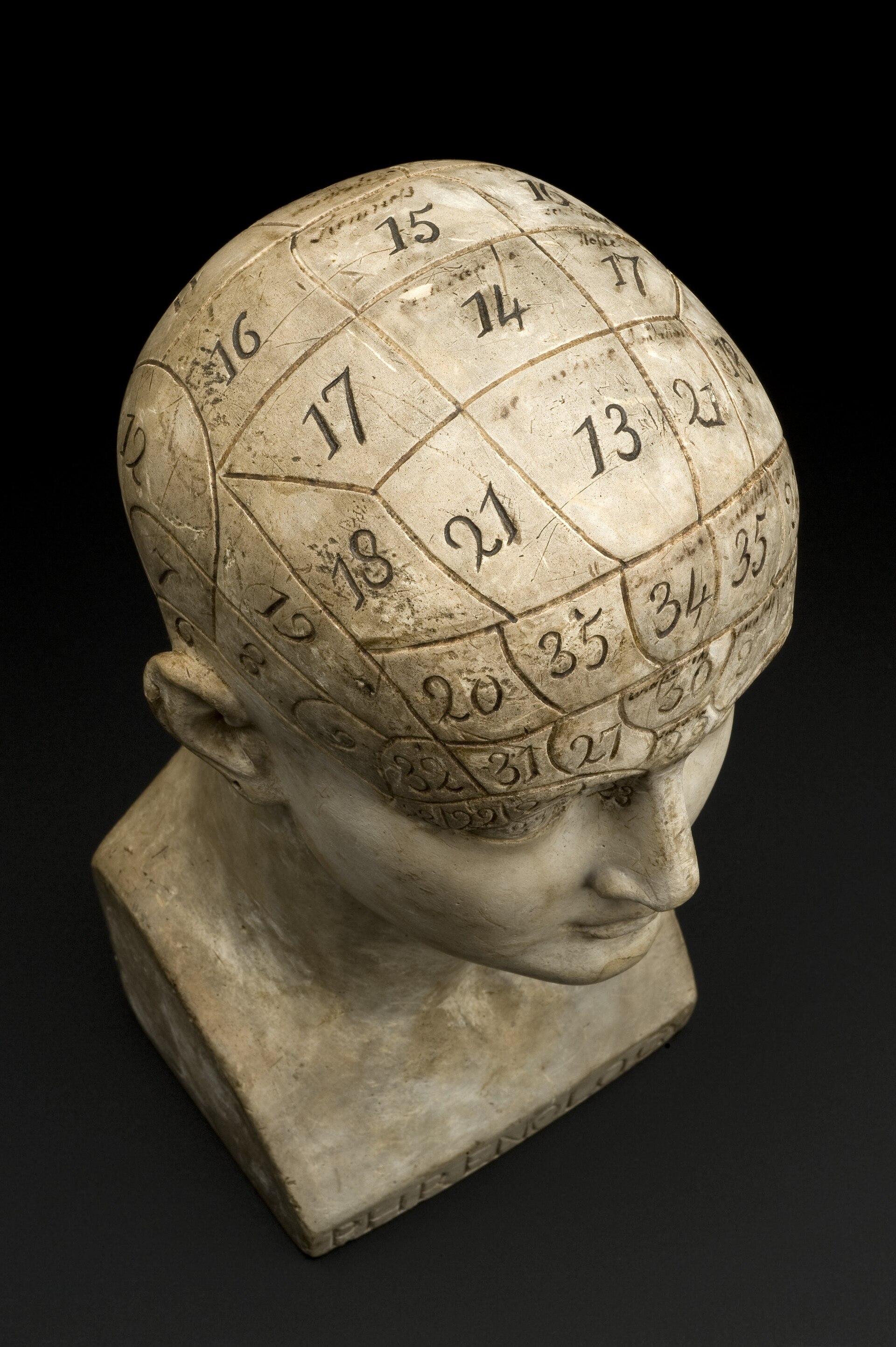
What phrenology actually measured was the practitioner's own expectations. A reading could be made to fit whatever was already known or assumed about a person, and its confident, systematic appearance lent an air of science to plain guesswork. It mistook coincidence, suggestion, and bias for genuine observation.
Phrenology was not a harmless parlor trick. Because it claimed to read worth and ability from the body, it was used to justify racism, sexism, and class prejudice by dressing old bigotries in the language of science, lending false authority to deeply damaging conclusions about whole groups of people.
Yet phrenology did leave one lasting and correct idea in its wake: that different parts of the brain have different functions, a principle that genuine neuroscience later confirmed by entirely different means. Phrenology itself, though, stands today as a textbook example of pseudoscience, a warning about the gap between a scientific style and actual science.
