Phlogiston theory was an early explanation of combustion, widely accepted in the seventeenth and eighteenth centuries. It held that all flammable materials contained a fire like substance called phlogiston, which was released into the air when they burned. It was eventually overturned by the discovery of oxygen, and its fall marked the birth of modern chemistry.
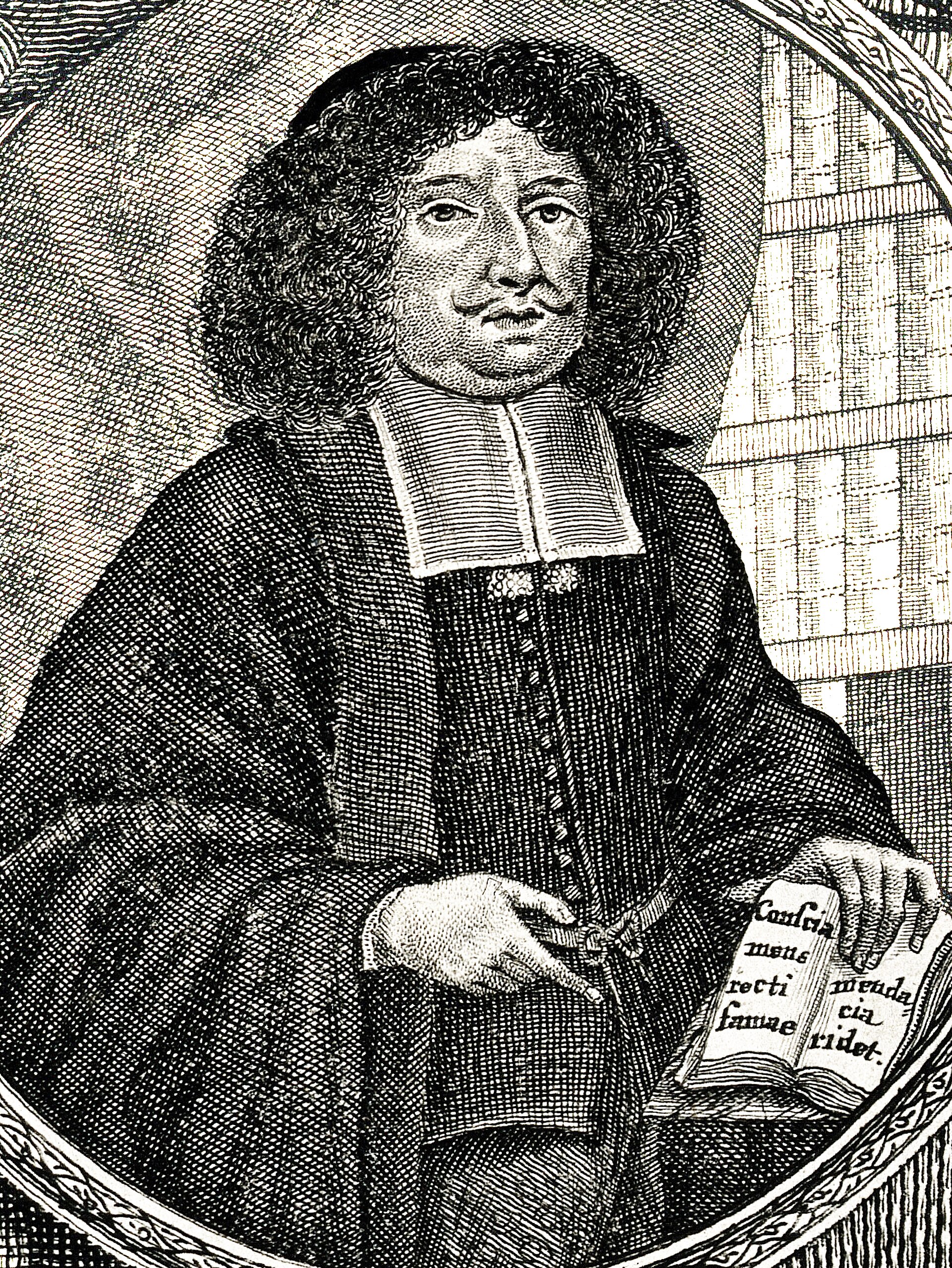
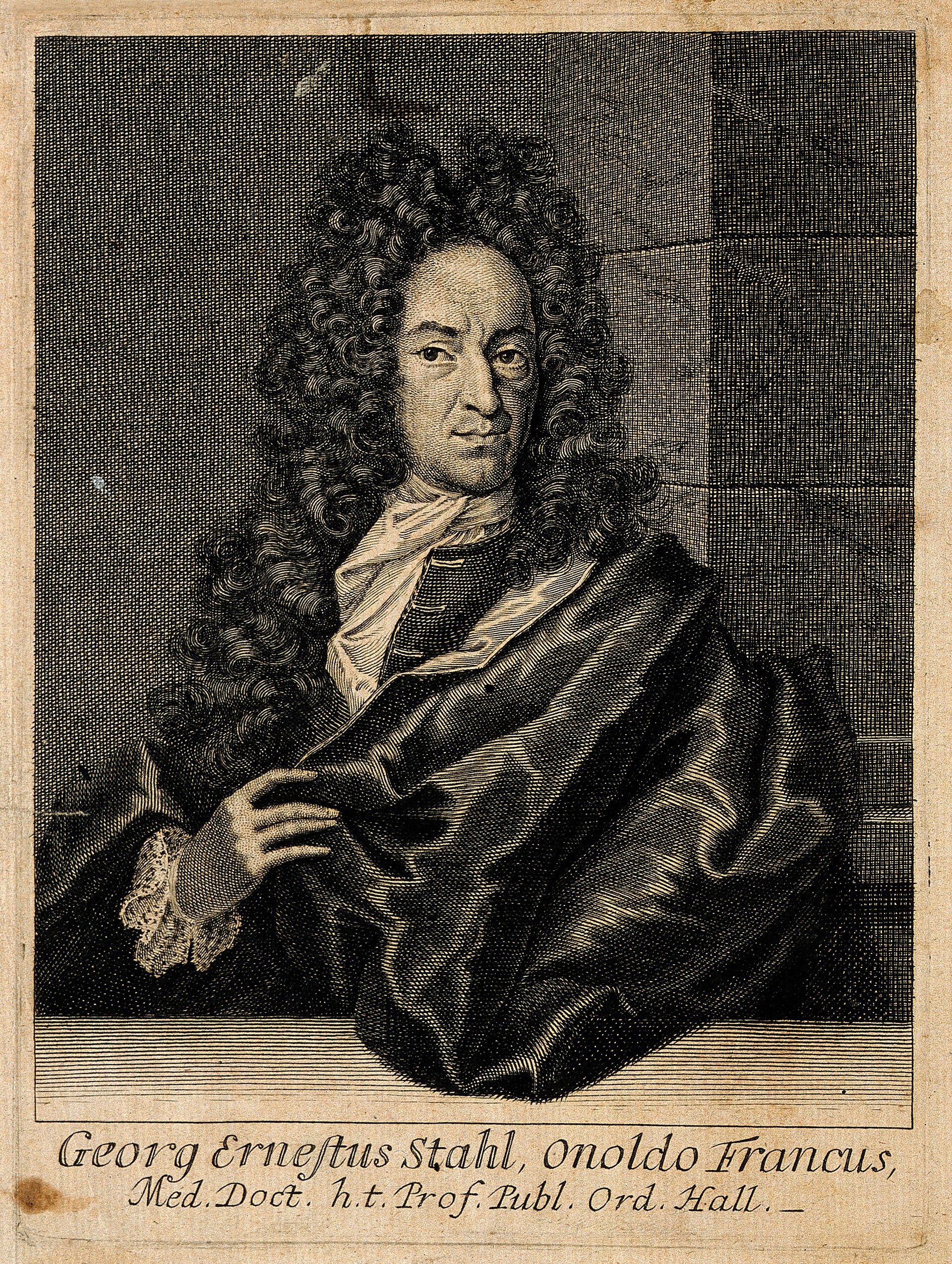
Proposed by Johann Joachim Becher and developed into a full system by Georg Ernst Stahl, the theory said that burning was simply the escape of phlogiston. A log full of phlogiston burned brightly, and its leftover ash was the log "dephlogisticated," stripped of its fire substance.
For a time the theory was a real advance. It tied together combustion, the rusting of metals, and the way a flame goes out in a sealed jar into a single coherent picture, and it suggested useful experiments. It dominated chemistry for nearly a century precisely because it explained so much of what chemists actually saw.
The theory had an awkward problem it could never solve. When some metals are burned, the residue weighs more than the original metal, not less, as the loss of phlogiston should imply. Defenders were driven to the strange suggestion that phlogiston might have negative weight, a sign that the idea was being patched rather than tested.
In the 1770s, working with precise scales, the French chemist Antoine Lavoisier showed the real story. Combustion is not the loss of a fire substance but the chemical combination of a material with oxygen drawn from the air. The mysterious gain in weight was simply the mass of the oxygen that had joined the metal.
Lavoisier's work demolished phlogiston and founded chemistry as a quantitative science, built on careful measurement of mass, a clear concept of chemical elements, and the principle that matter is conserved in a reaction. Nothing is created or destroyed, only rearranged.
Phlogiston is now remembered not as foolishness but as a wrong yet productive idea, the kind science regularly improves upon. Its overthrow is remembered as the moment chemistry came of age, trading a plausible story for the discipline of the balance and the measuring flask.
