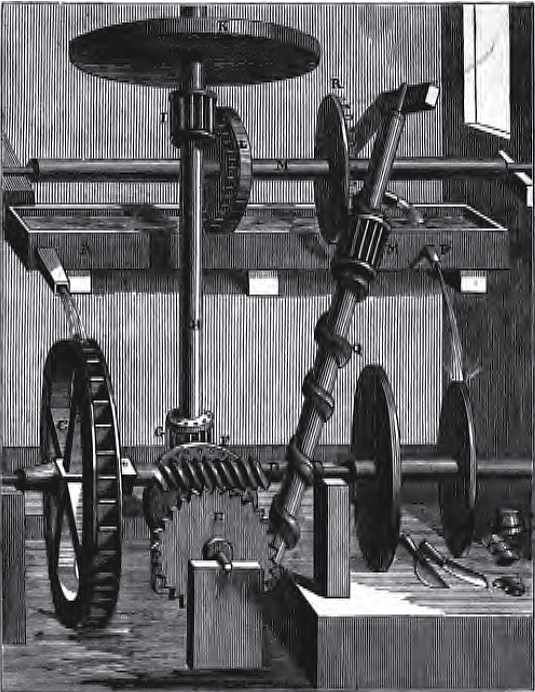
Perpetual motion is the idea of a machine that runs forever without any energy source, or that produces more energy than it consumes. Inventors have chased this dream for centuries, but it is impossible, and perpetual motion machines have been thoroughly debunked by the laws of physics.
For hundreds of years, hopeful inventors designed wheels, pumps, and elaborate contraptions meant to keep moving on their own forever, or even to generate free, limitless power from nothing. The dream has a powerful appeal, for a machine that needed no fuel would solve the world's energy problems at a stroke.
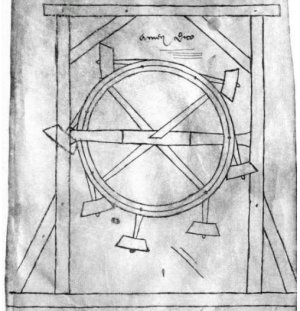
Some perpetual motion designs were honest mistakes, by clever people who overlooked a hidden loss of energy. Others were deliberate frauds, fitted with concealed springs, hidden motors, or accomplices, designed to fool investors out of their money. Either way, none has ever genuinely worked.
There are two classic kinds of perpetual motion machine. The first would produce more energy than it uses, creating energy from nothing. The second would simply run forever without slowing, never losing any energy to friction. Both, it turns out, are forbidden by the deepest laws of physics.
The first law of thermodynamics, the conservation of energy, says energy cannot be created from nothing. A machine cannot put out more energy than is put into it. This single, well tested principle rules out forever the dream of a machine that generates free, endless power.
The second law of thermodynamics finishes the job. It says that some energy is always lost to friction, heat, and disorder in any real process. So even a machine that merely tried to run forever, without producing extra energy, would inevitably slow and stop as its energy leaked away.
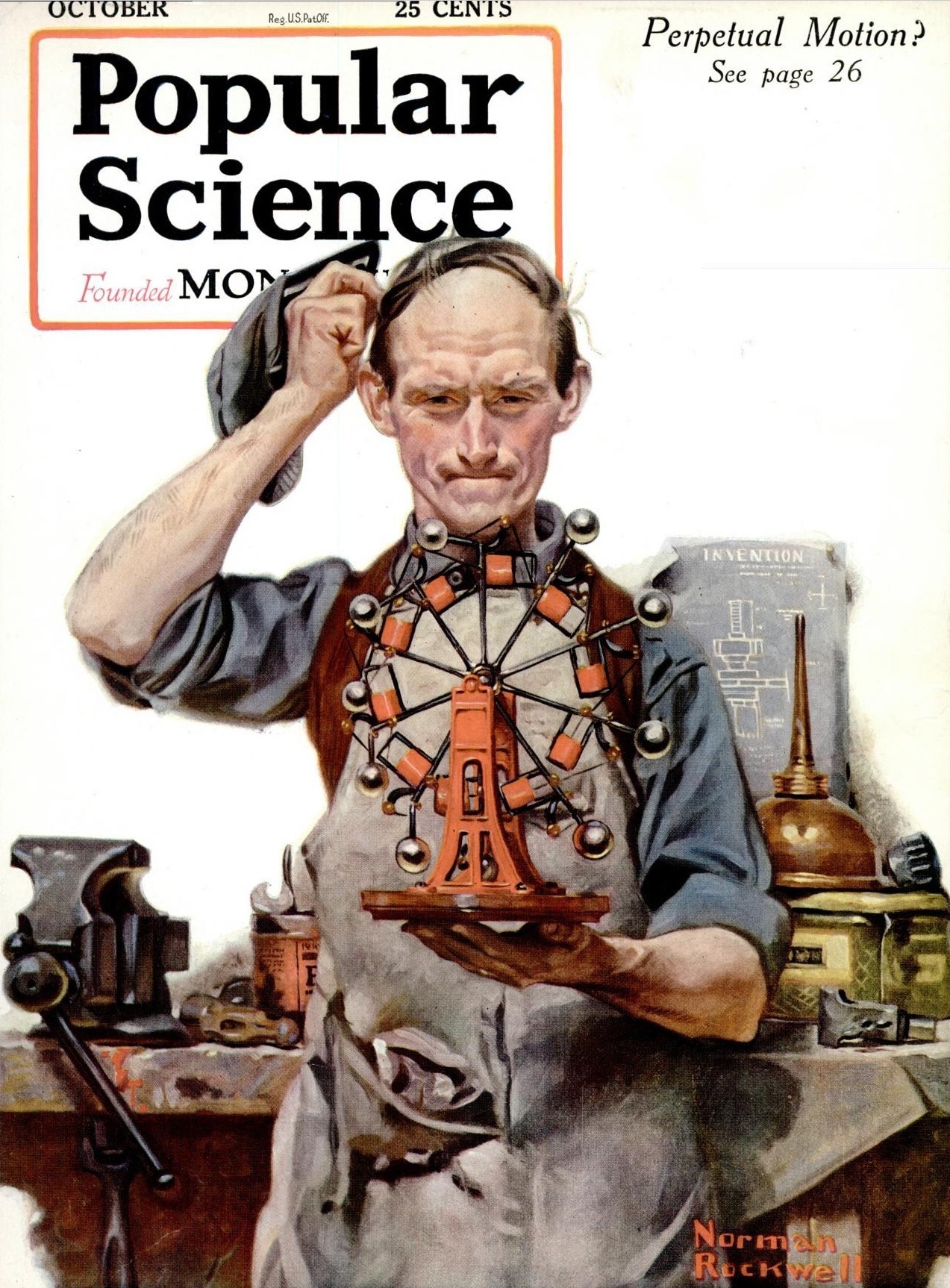
So certain is the impossibility that major patent offices, including those of the United States and Britain, refuse even to consider perpetual motion machines unless a working model is provided. In centuries of claims, no such model has ever been produced that stood up to scrutiny.
Every claimed perpetual motion machine, on close inspection, either has a hidden energy source or simply does not work as claimed. When tested carefully, each one slows and stops, or is found to be drawing power from somewhere concealed. The pattern has held without exception.
Perpetual motion remains a vivid example of an appealing idea firmly ruled out by well established science. It endures not as a real technology but as a lesson: a dream that the laws of physics simply will not permit, and a useful test of whether an inventor understands those laws at all.
