The Permian extinction, often called the Great Dying, was the most severe mass extinction in Earth's history, around 252 million years ago, when the vast majority of species vanished. That it was catastrophic is certain; the exact chain of causes is still debated.
The Great Dying was the most devastating event in the history of life. It wiped out an estimated nine in ten marine species and the great majority of land species, a loss so deep that it took millions of years for life to recover. No other extinction in the fossil record comes close to its severity.
The extinction cleared the slate of life on a scale almost beyond imagining. Whole groups of animals that had dominated the seas for hundreds of millions of years vanished forever. In their place, new groups eventually rose, and the survivors inherited an empty world, clearing the way, in time, for the dinosaurs.
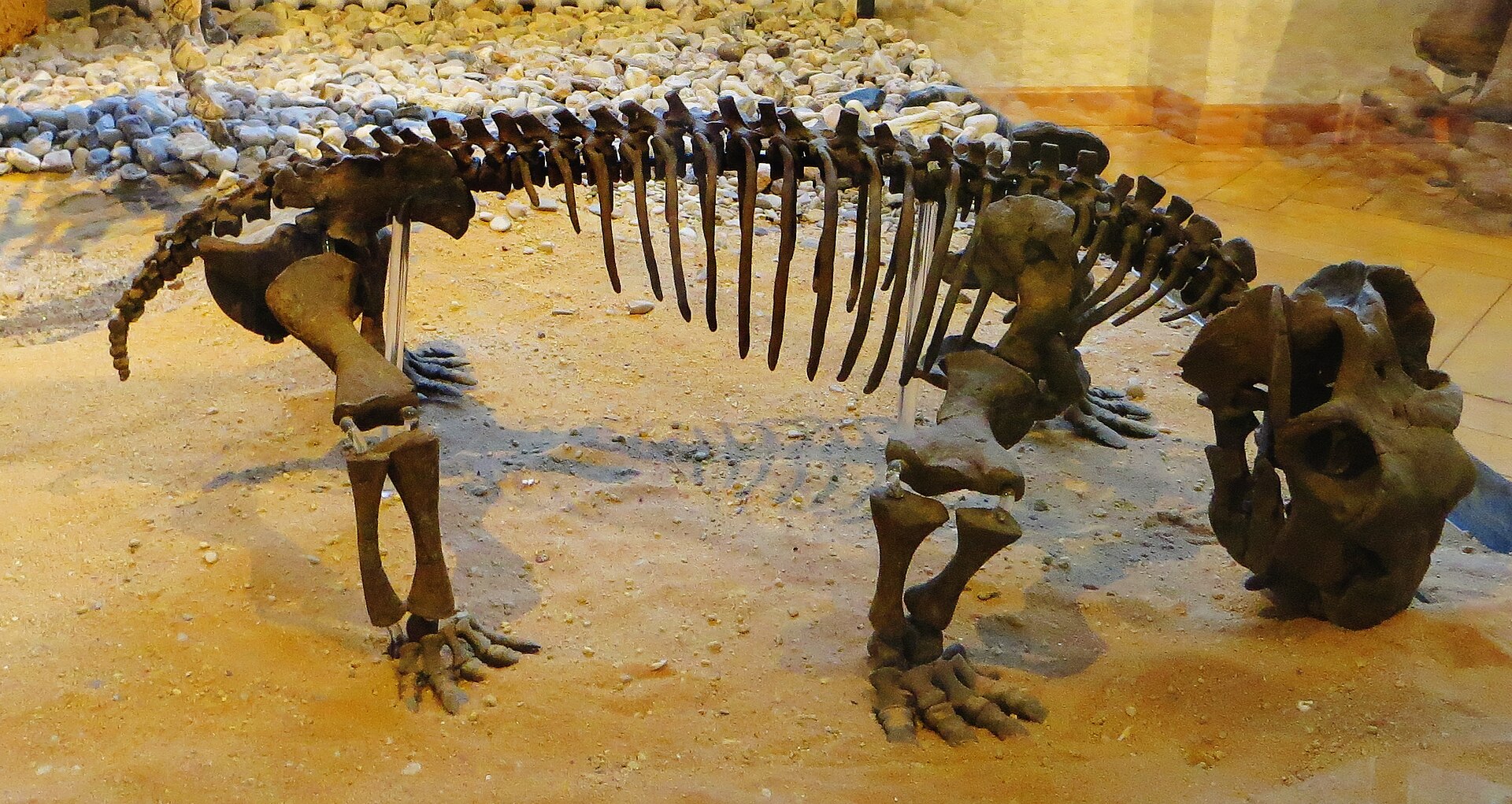
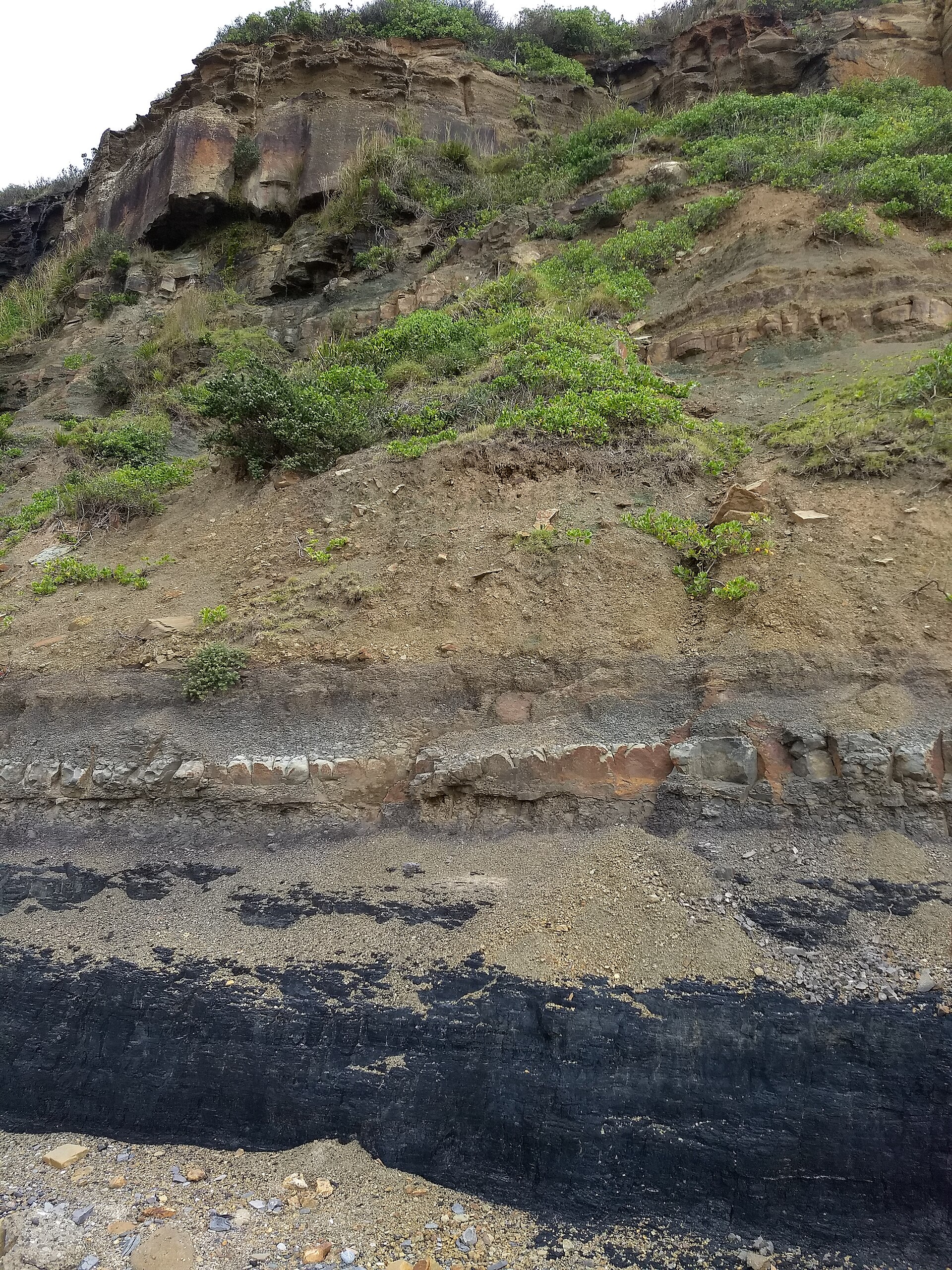
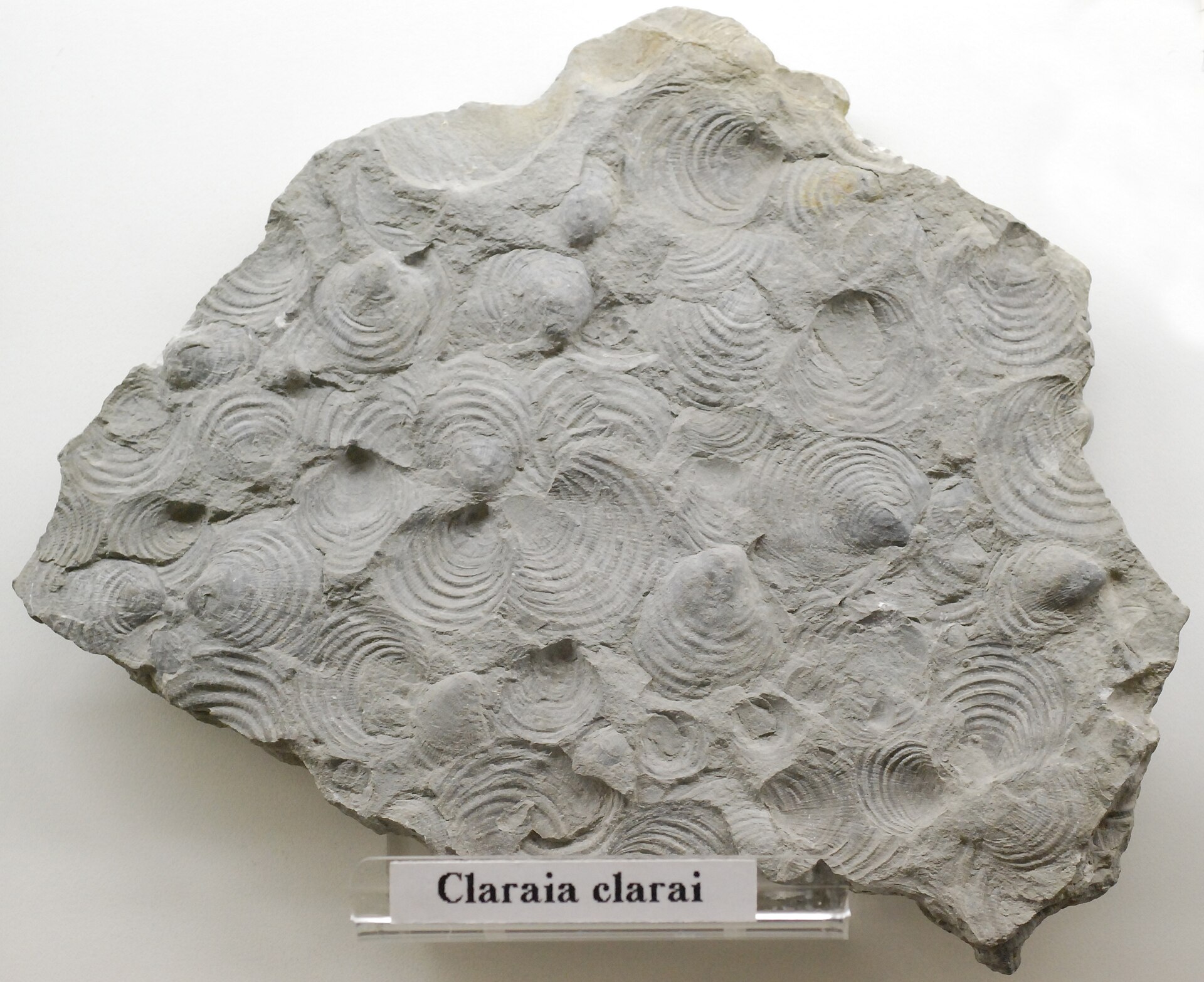
The event is recorded in the layers of rock laid down at the time, where a rich and varied fossil world abruptly gives way to a barren one. A few hardy survivors, such as the pig sized reptile Lystrosaurus, became extraordinarily common afterward, dominating a depopulated planet.
The prime suspect is a series of colossal volcanic eruptions in what is now Siberia, which poured out lava across an area the size of a continent over many thousands of years. These were not ordinary eruptions but vast outpourings, among the largest the Earth has ever seen, and their timing matches the extinction.
The eruptions would have released huge amounts of carbon dioxide and other gases into the atmosphere. This is thought to have driven severe global warming, acidified the oceans, and stripped the seas of oxygen, a triple assault on life. But exactly how these effects combined to kill so thoroughly is debated.
Scientists argue over which mechanism did the most damage. Some emphasize runaway warming, others the oceans turning poisonous or starved of oxygen, and still others point to the possible release of methane or the disruption of the ozone layer. The order and importance of these killers remain genuinely uncertain.
Unlike the later extinction that killed the dinosaurs, there is no strong evidence that an asteroid impact caused the Great Dying. Some scientists have searched for signs of one, but the case is weak, and most attribute the catastrophe to the volcanism and its cascading effects rather than a blow from space.
The volcanic eruptions are widely accepted as the trigger, but how they killed so much of life, and the precise sequence of warming, acidification, and oxygen loss, are still actively researched. Untangling this most extreme of catastrophes, deep in Earth's past, remains a genuinely open and important question.
