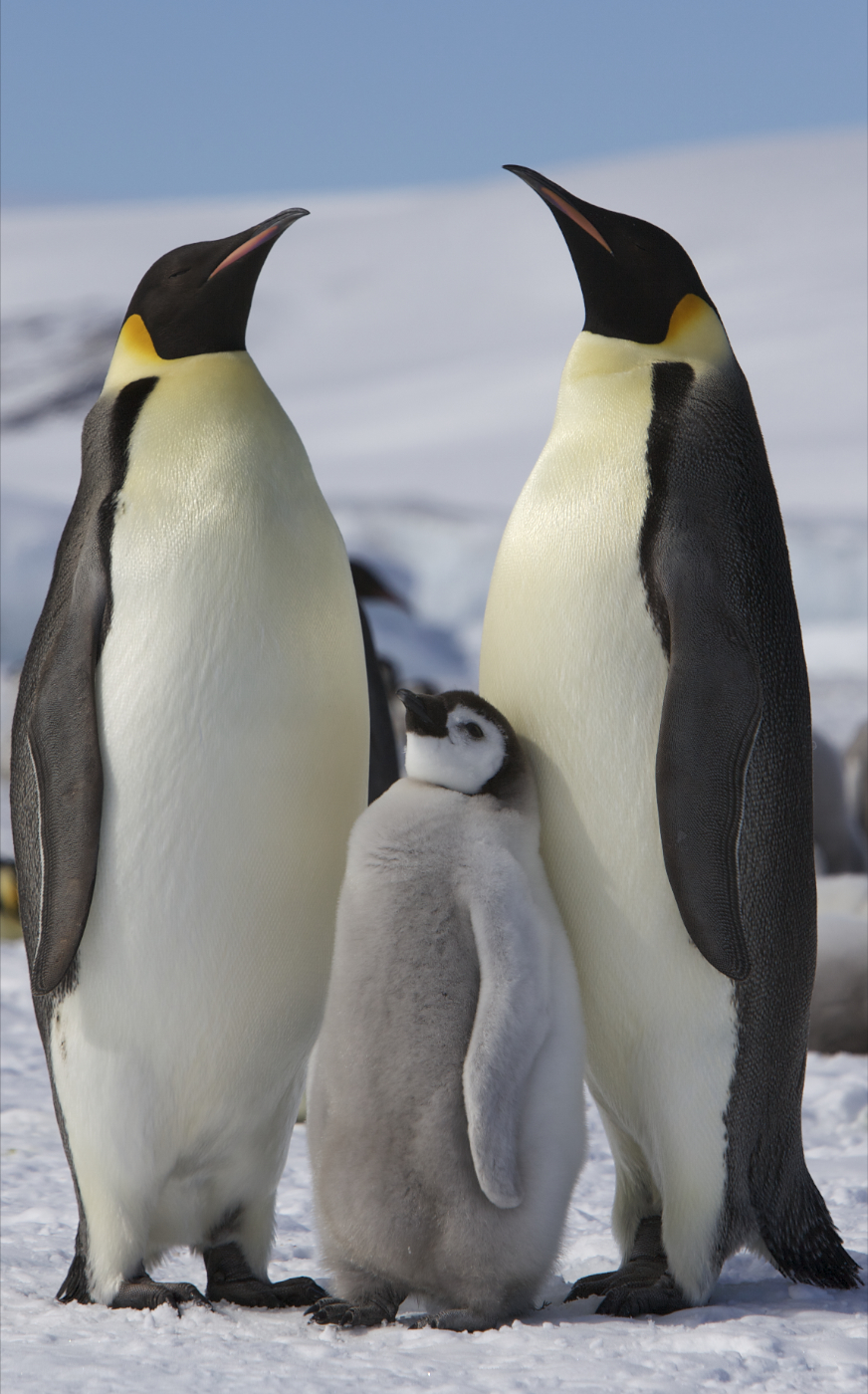
Penguins are flightless seabirds superbly adapted to life in the water, where they fly in all but name, using their stiff, flipper-like wings to "fly" through the sea in pursuit of fish, squid, and krill. Found almost entirely in the Southern Hemisphere, they range from the frozen heart of Antarctica to the warm shores of the Galapagos at the equator.
Over millions of years penguins traded the power of flight for mastery of the water. Their wings became rigid paddles, their bones grew dense to reduce buoyancy, and their bodies took on the same streamlined, countershaded form, dark above and white below, that disguises them from predators and prey. On land their upright waddle looks comical, but in the water they are fast, agile, and tireless.
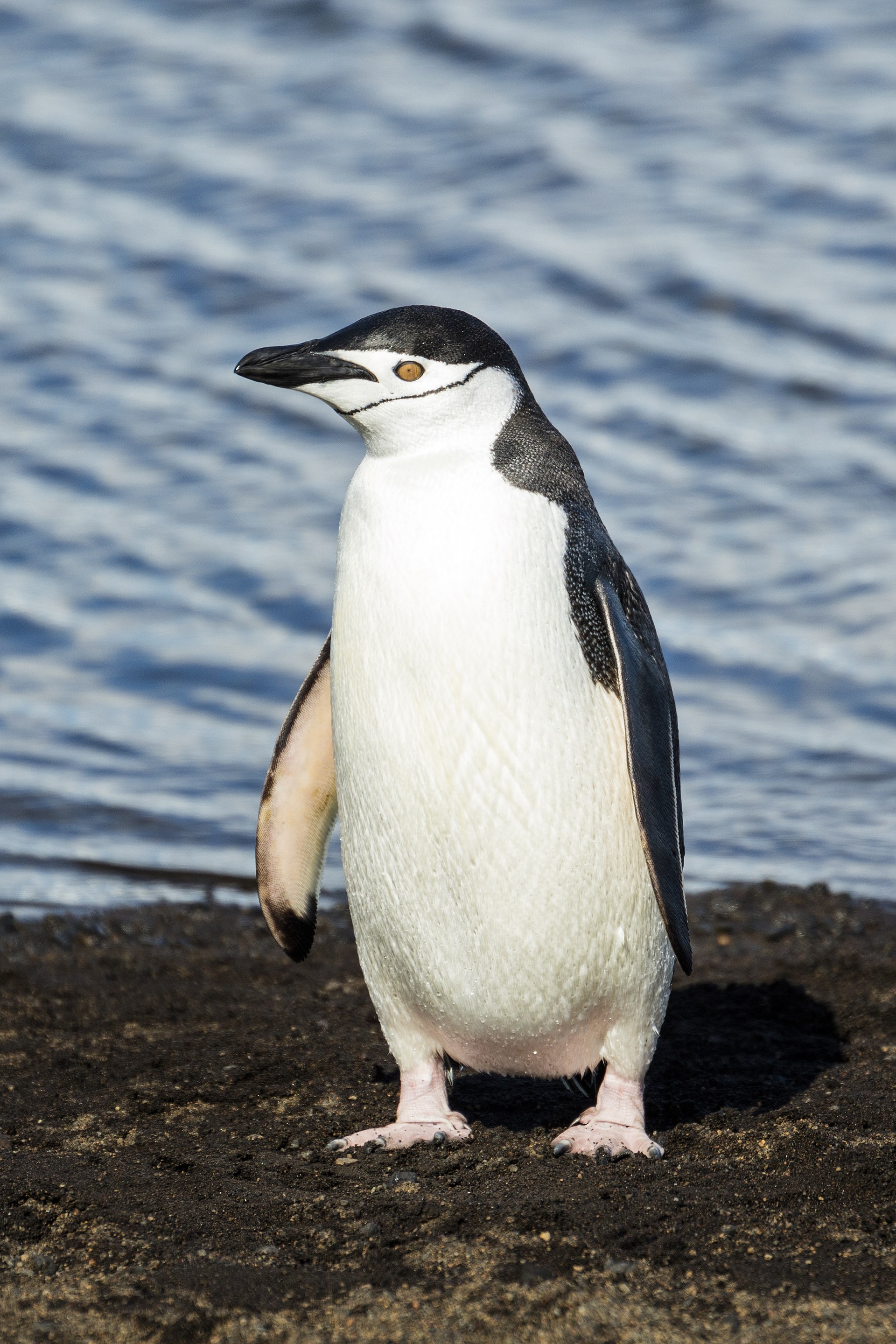
Surviving in icy seas demands special equipment. Dense, overlapping feathers and a thick layer of fat keep penguins warm, and they can fluff or flatten their plumage to control heat. A special gland near the eyes lets them drink seawater by filtering out the excess salt, which they sneeze or shake away, so they never need to find fresh water.
There are around eighteen species of penguin, from the towering emperor penguin, over a metre tall, to the little penguin of Australia and New Zealand, which stands barely thirty centimetres. Many breed on remote, storm-battered islands ringing Antarctica, gathering in colonies of thousands.
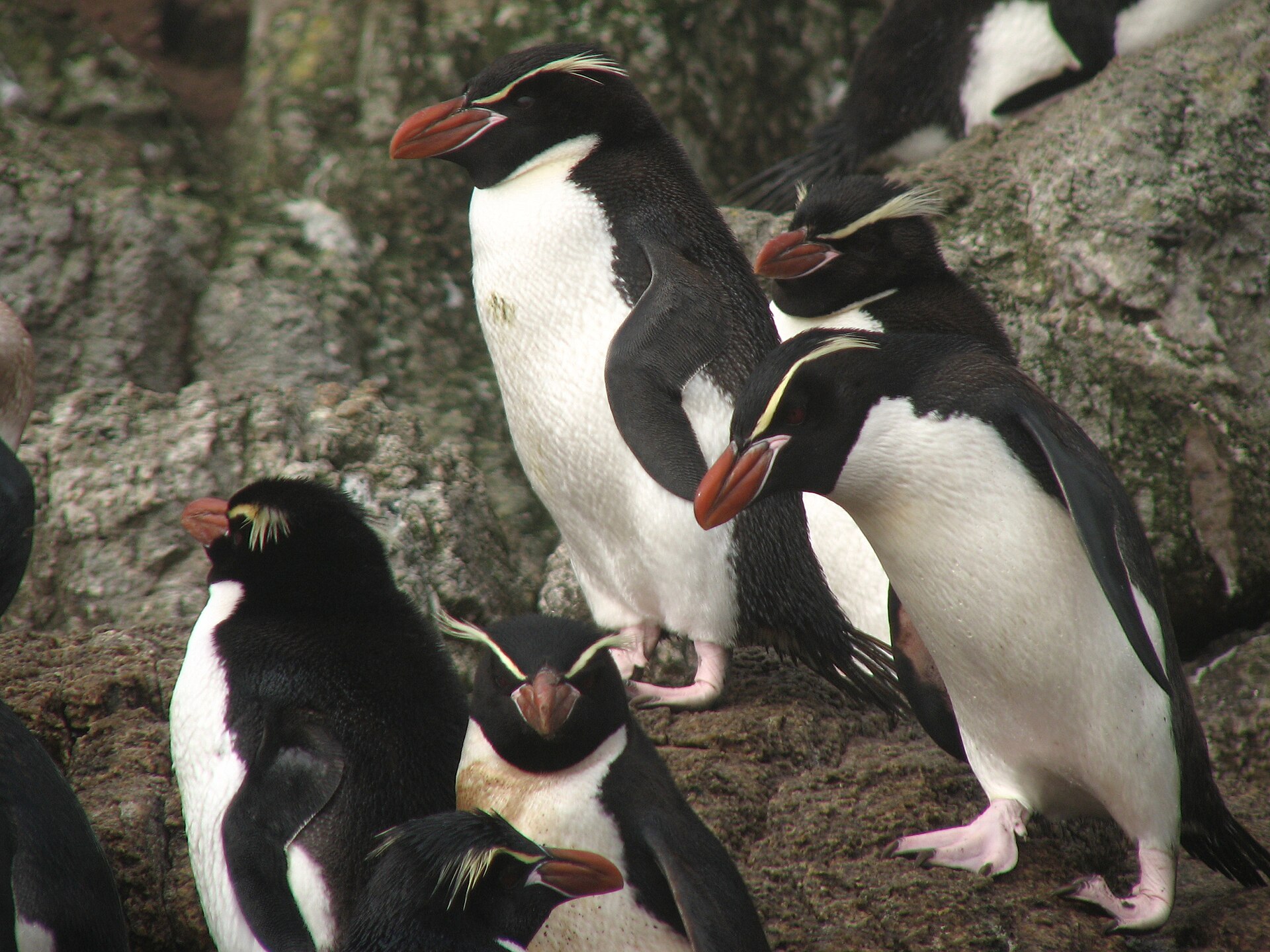
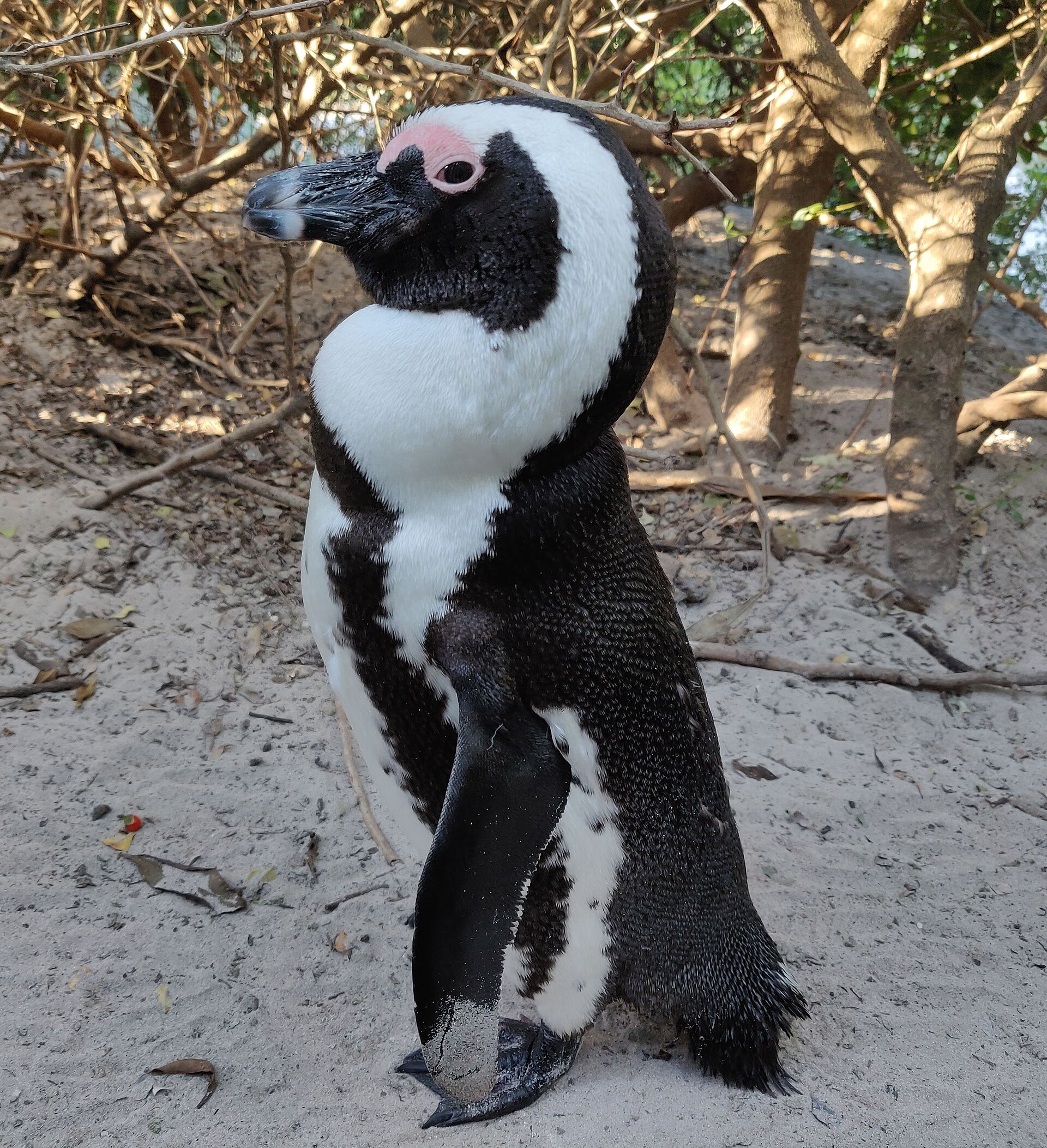
Penguins are not confined to the ice. The African penguin lives on the southern coast of Africa, and the Galapagos penguin lives at the equator, kept cool by cold ocean currents sweeping up from the south. What all penguins share is a dependence on the productive, cold-water seas of the Southern Hemisphere.
Penguins are devoted parents, and most species form strong pair bonds, share incubation and feeding duties, and gather in vast, noisy colonies for safety in numbers. Parents recognise their own chick and mate among thousands by voice alone, calling and answering across the din of the colony.
The emperor penguin endures the most extraordinary breeding ordeal of all. It breeds through the Antarctic winter, the male incubating the single egg on his feet beneath a fold of skin for two months in temperatures that plunge below minus 40 degrees Celsius, huddling with thousands of others against the cold and going without food the entire time.
Because penguins depend on the sea for all their food, their populations are sensitive barometers of ocean health. Many species are now declining, threatened by overfishing that depletes their prey, by oil spills and pollution, and above all by climate change, which is altering the sea ice and ocean currents on which they rely. Protecting penguins means protecting the cold, food-rich seas of the far south.
