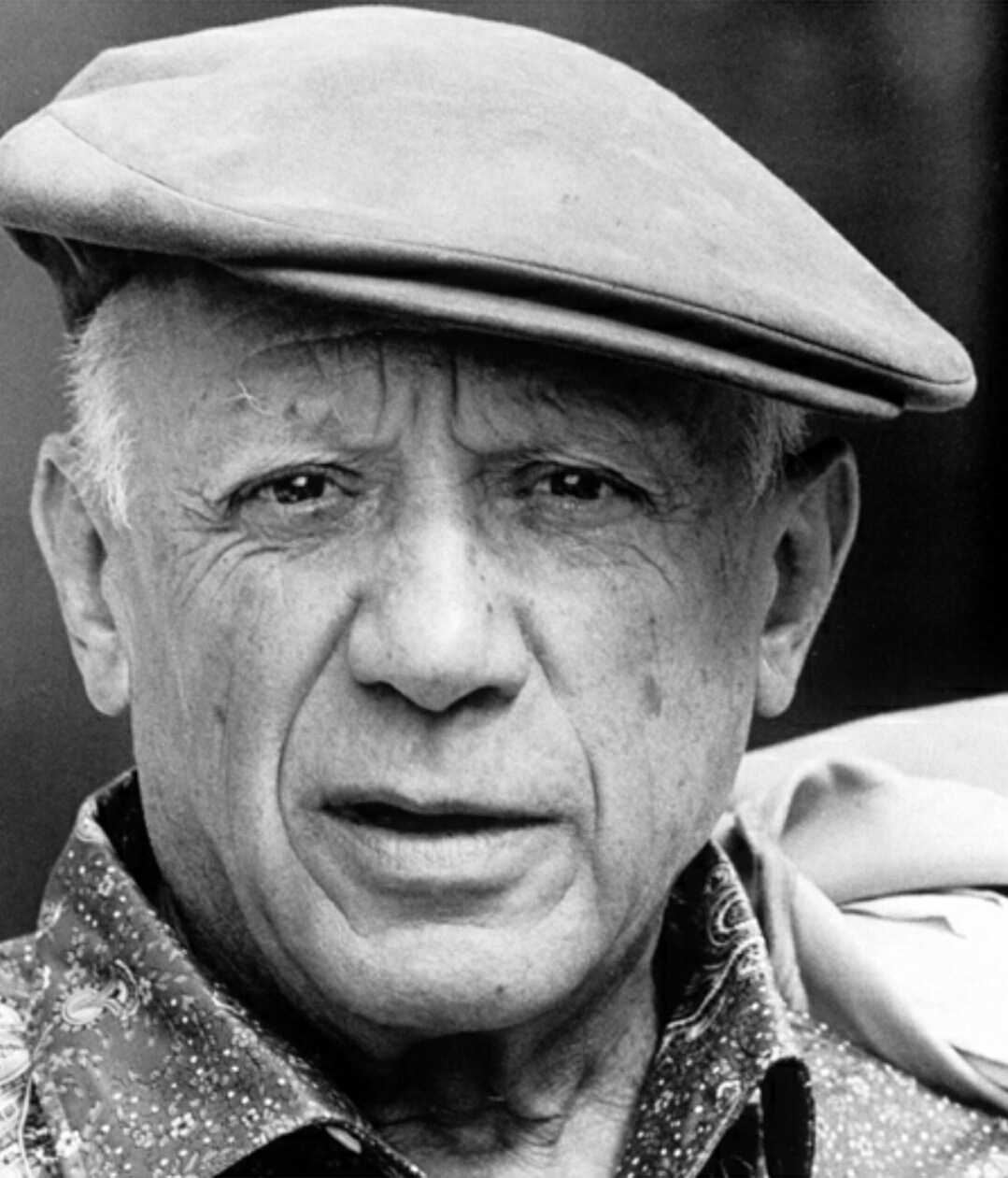
Pablo Picasso (1881 to 1973) was a Spanish painter and sculptor widely considered one of the most influential artists of the twentieth century. Astonishingly prolific and endlessly inventive, he reshaped modern art and helped pioneer the revolutionary style known as Cubism.
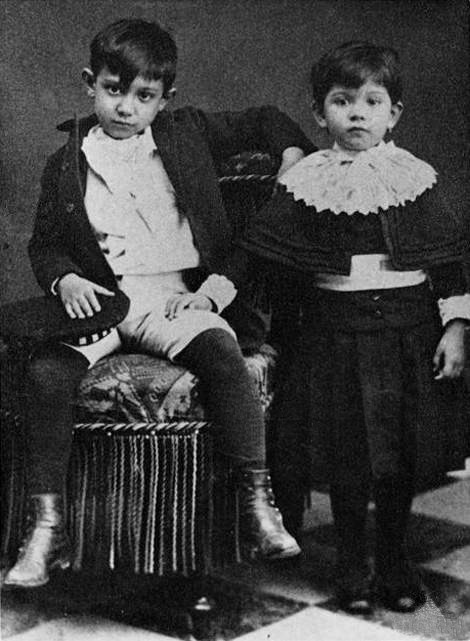
Born in Spain, Picasso showed extraordinary talent from childhood, mastering realistic drawing and painting at an age when most children are still learning the basics. His father, an art teacher, recognized his gift early, and the young Picasso quickly surpassed his teachers, beginning a career that would span more than seventy years.
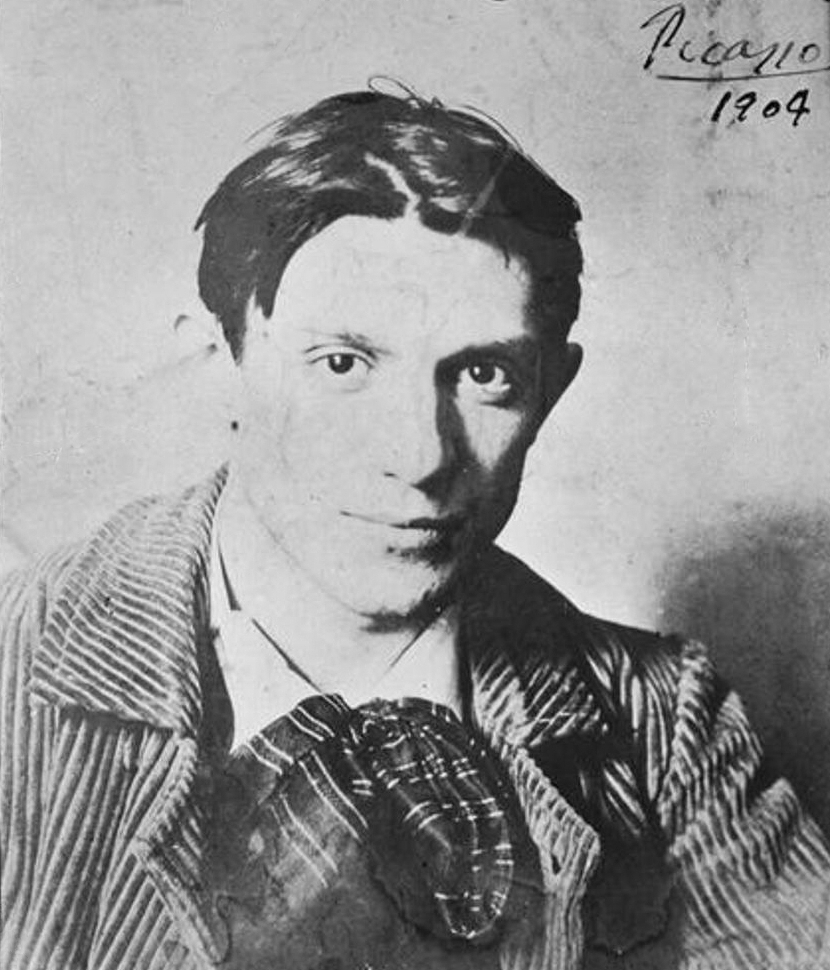
Picasso never settled into a single style; he reinvented his art again and again throughout his long life. His work is often grouped into periods, from the melancholy Blue Period to the warmer Rose Period, and on to the radical experiments that followed. This constant reinvention was the engine of his genius.
With the French artist Georges Braque, Picasso developed Cubism, a groundbreaking style that shattered objects into geometric facets and showed them from several viewpoints at once. It broke decisively with centuries of realistic painting, which had tried to copy the look of the world, and opened the door to abstract art.
His painting Les Demoiselles d'Avignon, with its angular, mask like faces and fractured forms, is often seen as a turning point in the history of art, a work so radical it shocked even his fellow painters. It marked a decisive break with tradition and pointed the way toward the art of the new century.
Picasso worked in an extraordinary range of media, not only painting but sculpture, ceramics, printmaking, and collage, producing tens of thousands of works over his lifetime. His energy and output were prodigious, and he approached each new medium with the same restless inventiveness he brought to painting.
Picasso's most famous work, Guernica, is a vast, anguished black and white painting created in response to the bombing of a Spanish town during the Spanish Civil War. A searing protest against the horrors of war, it became a universal symbol of suffering and of art's power to bear witness to atrocity.
Unlike many great artists, Picasso became enormously famous and wealthy during his own lifetime, a celebrity whose every move drew attention. His personal life, marked by intense relationships and a forceful personality, was as closely followed as his art, and he remained a public figure to the end.
Picasso remained creative into his nineties, working tirelessly until his death in 1973. Few artists have sustained such inventiveness over so long a career, and fewer still have so completely transformed their field. His restless genius reshaped the very idea of what art could be.
Today Picasso's works hang in the world's great museums and command record prices, and his name is synonymous with modern art itself. His revolutionary breaks with tradition opened paths that countless artists have followed, and his influence on how we think about art remains profound.
