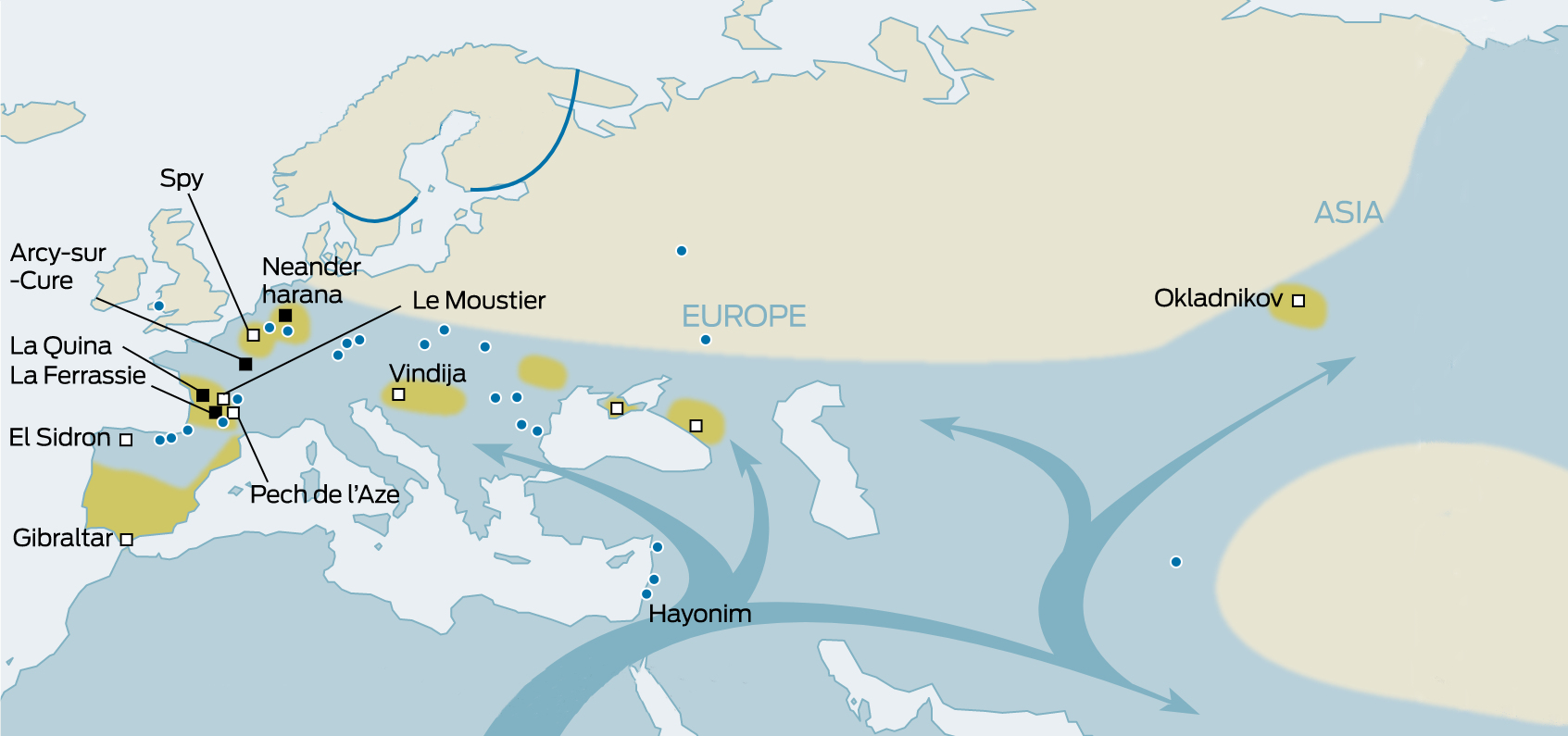
Where and how our own species, Homo sapiens, arose is a question of intense scientific interest. The broad outline, an African origin, is well supported, but the details of when, where, and how modern humans emerged and spread are genuinely debated.
The leading view, strongly backed by fossils and genetics, is that modern humans evolved in Africa. The oldest known fossils of our species come from there, and the genes of people worldwide trace back to African ancestors. Africa is, beyond serious doubt, the cradle of humankind.
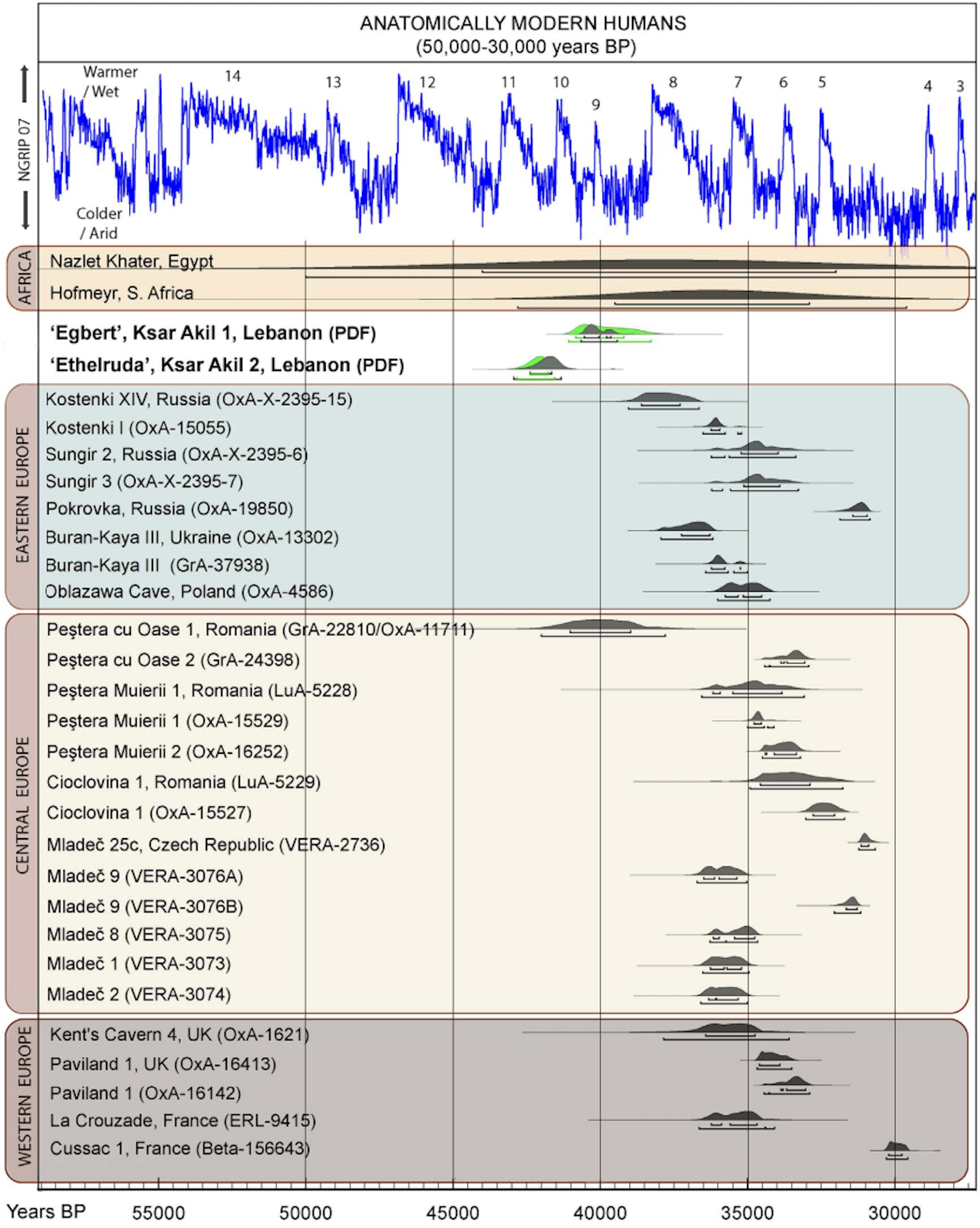
From this African homeland, modern humans later spread across the globe, eventually reaching Asia, Europe, Australia, and finally the Americas, and replacing or absorbing the other human groups they met along the way. This "out of Africa" expansion is the broad framework within which the details are debated.
The genetics of living people point clearly to a recent African origin: human populations outside Africa are descended from a relatively small group that left the continent, and Africans today carry the greatest genetic diversity. Ancient DNA, recovered from old bones, has added rich detail to this picture in recent years.
A central debate is whether modern humans arose in a single region of Africa or evolved across the whole continent at once. The older view favoured a single cradle, but newer evidence suggests our species may have emerged from several interconnected populations spread across Africa, evolving together as they exchanged genes.
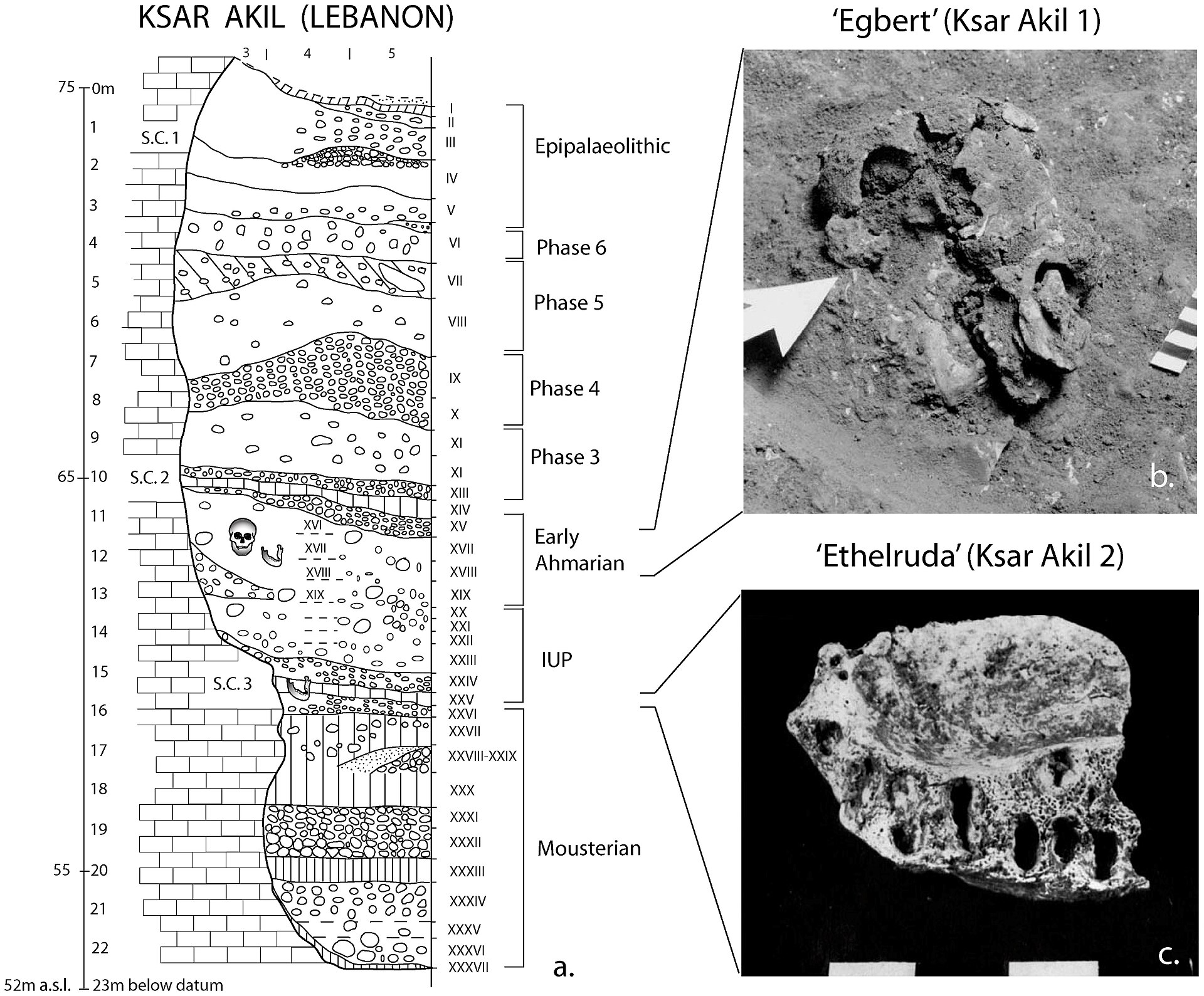
The timing of the great migrations is also contested. Discoveries keep pushing dates back, revealing earlier journeys out of Africa than once thought, some of which may have been false starts that died out, before the main expansion that peopled the world. The number and timing of these waves are debated.
Scholars argue over the routes early humans took as they left Africa, whether across the Sinai into the Middle East, across the mouth of the Red Sea into Arabia, or both. The drowned coastlines and scarce fossils make these ancient journeys hard to reconstruct, leaving room for competing reconstructions.
Adding to the complexity, modern humans interbred with other human species they met, such as Neanderthals and the mysterious Denisovans, so our ancestry is not a single clean line but a tangled web. We carry genes from these vanished cousins, a legacy that complicates any simple story of replacement.
The African origin is firmly established, but the full, detailed story, whether one cradle or many, the number and timing of migrations, the routes taken, and the extent of mixing with other humans, remains an active and contested field. New fossils and ancient DNA regularly reshape the picture of how we became a global species.
