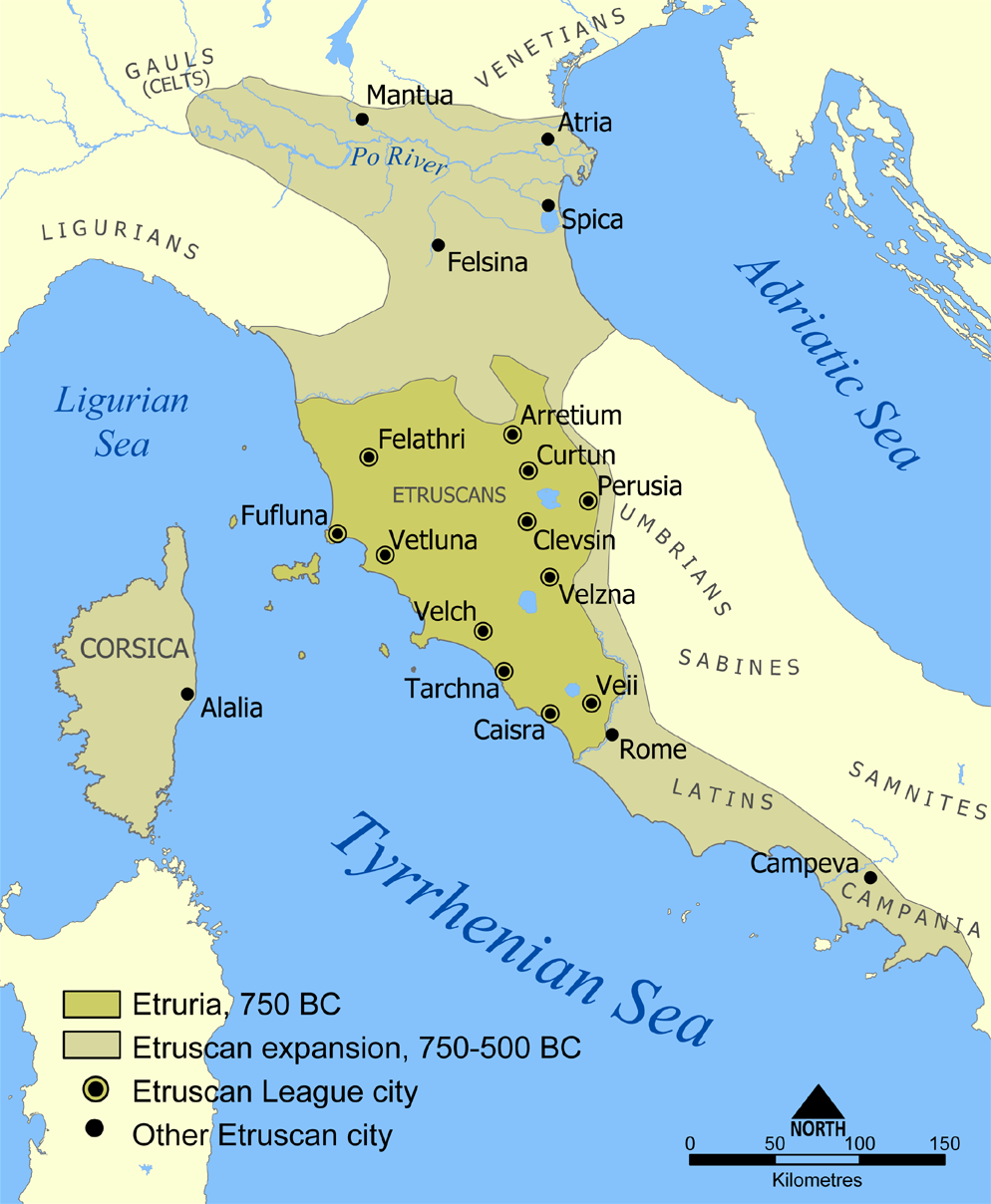
The Etruscans were a sophisticated people who flourished in ancient Italy before Rome rose to power, leaving rich art and a language unlike any other. Where they came from has been debated since antiquity and remains a genuinely contested question.
The Etruscans dominated central Italy from around the eighth century BC, building prosperous cities, trading widely across the Mediterranean, and producing striking art, fine metalwork, and elaborate tombs. For centuries they were the leading power and culture of the Italian peninsula, long before Rome eclipsed them.
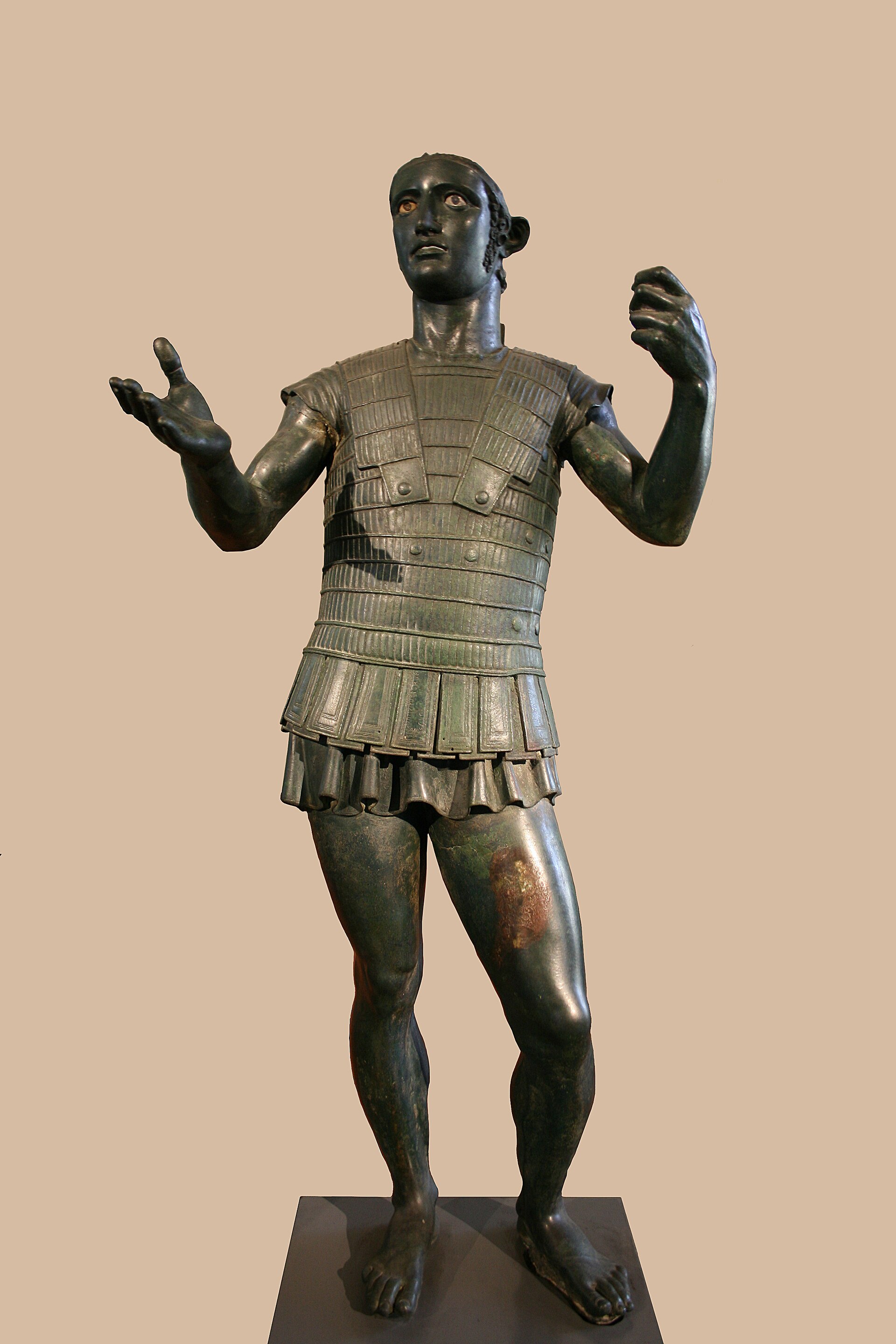
The Etruscans deeply influenced the early Romans, who absorbed many of their customs, religious practices, engineering skills, and even some of their kings. Much of what we think of as distinctively Roman, from certain rituals to building techniques, was inherited from these earlier masters of Italy.
The greatest puzzle of the Etruscans is their language. Written in an alphabet borrowed from the Greeks, which we can read aloud, it is a tongue we barely understand, for it is unrelated to Latin, Greek, or the other languages of the region. This strange, isolated language deepens the mystery of their roots.
The question of Etruscan origins is itself ancient. The Greek historian Herodotus claimed they had migrated to Italy from Anatolia, in what is now Turkey, fleeing a famine. Another ancient writer, Dionysius, argued instead that they were native to Italy all along. The debate, in other words, is more than two thousand years old.
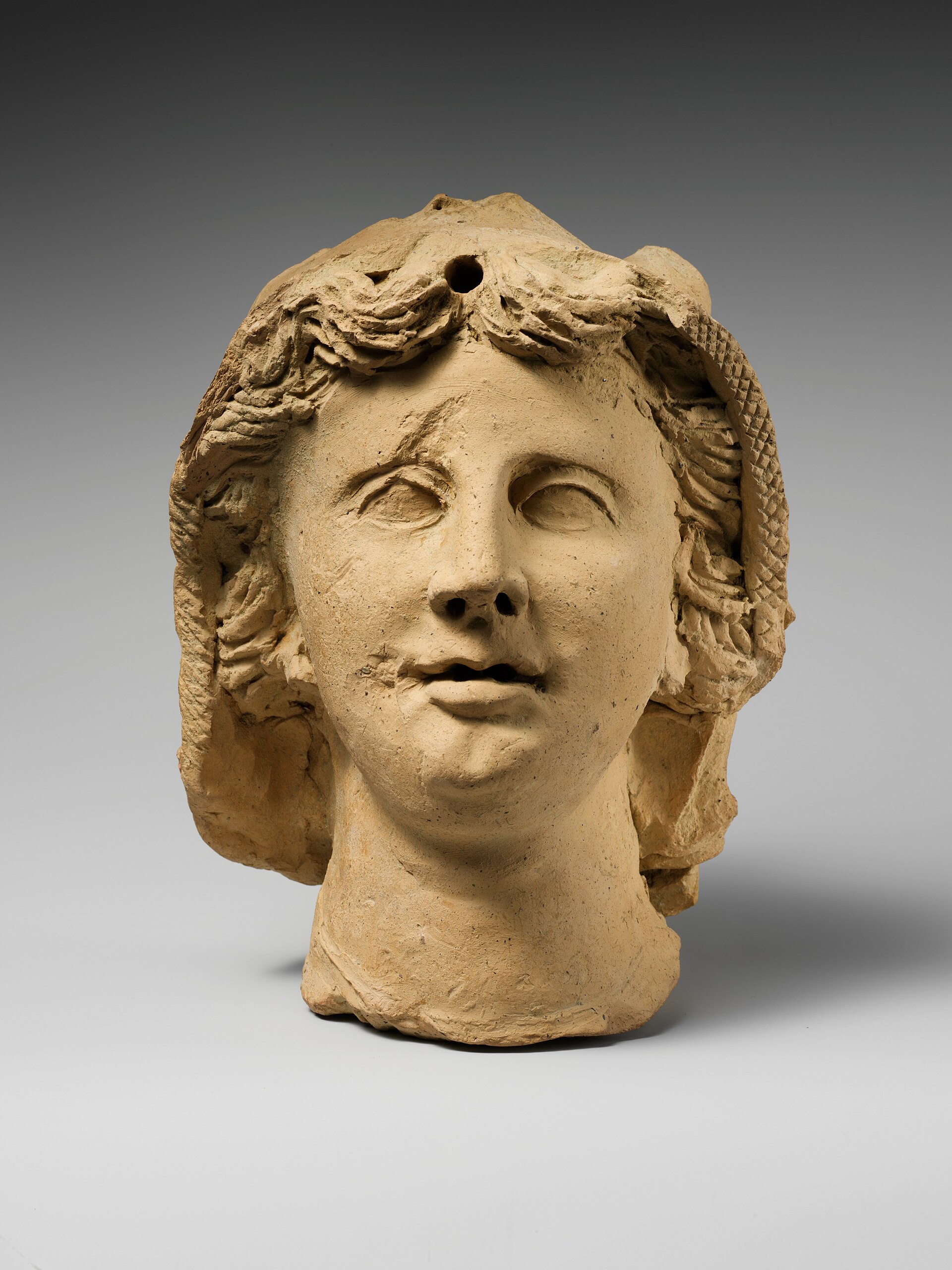
For centuries many scholars favoured the migration theory, pointing to features of Etruscan art, religion, and customs that seemed to echo the eastern Mediterranean, and to their unusual, non Italian language. On this view, the Etruscans were newcomers who brought a sophisticated foreign culture to Italy.
Others have long argued that the Etruscans developed in Italy itself, growing out of the earlier local cultures of the region rather than arriving from elsewhere. Their civilization, on this view, was a homegrown flowering, and the resemblances to the east were the result of trade and contact, not migration.
Modern genetics has added new evidence. Recent DNA studies suggest the Etruscans were largely local to Italy, sharing ancestry with their neighbours, which supports the homegrown view. Yet this only deepens the puzzle of their distinct language, for if they were local, where did their unique, non Italian tongue come from?
The genetic findings point toward a local origin, but questions linger about how their distinctive language and culture arose, and the evidence is still being weighed. The origin of the Etruscans remains a fascinating puzzle at the crossroads of history, language, and genetics, an ancient debate still very much alive.
