The Olympic Games are the world's foremost international sporting event, bringing together thousands of athletes from nearly every nation to compete in a wide range of sports. Held every four years, they are a celebration of athletic excellence and a rare moment of shared global attention.
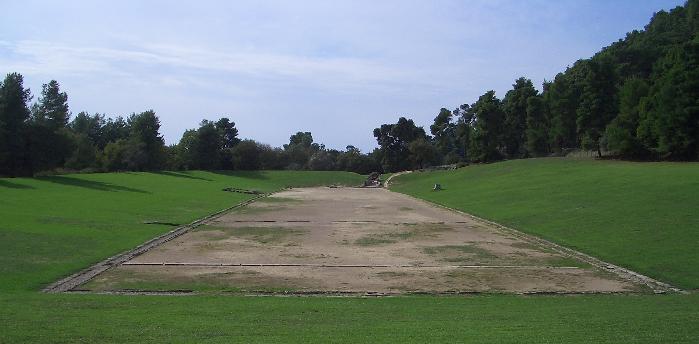
The Olympics began in ancient Greece, where games were held at Olympia in honour of the god Zeus from as early as 776 BC. They were part religious festival, part athletic contest, and they recurred every four years, a span the Greeks called an Olympiad and used to measure time itself.
Athletes from across the Greek world competed in events such as running, wrestling, boxing, the pentathlon, and chariot racing, often naked and always as individuals rather than teams. Victors were crowned with olive wreaths and celebrated as heroes. So important were the games that wars were paused under a sacred truce so competitors and spectators could travel safely.
The ancient games continued for nearly twelve centuries before being abolished in the late Roman era, as the empire turned Christian and pagan festivals fell out of favour. For some 1,500 years there were no Olympics, and the site of Olympia itself was buried by earthquakes and floods, lost until rediscovered by archaeologists.
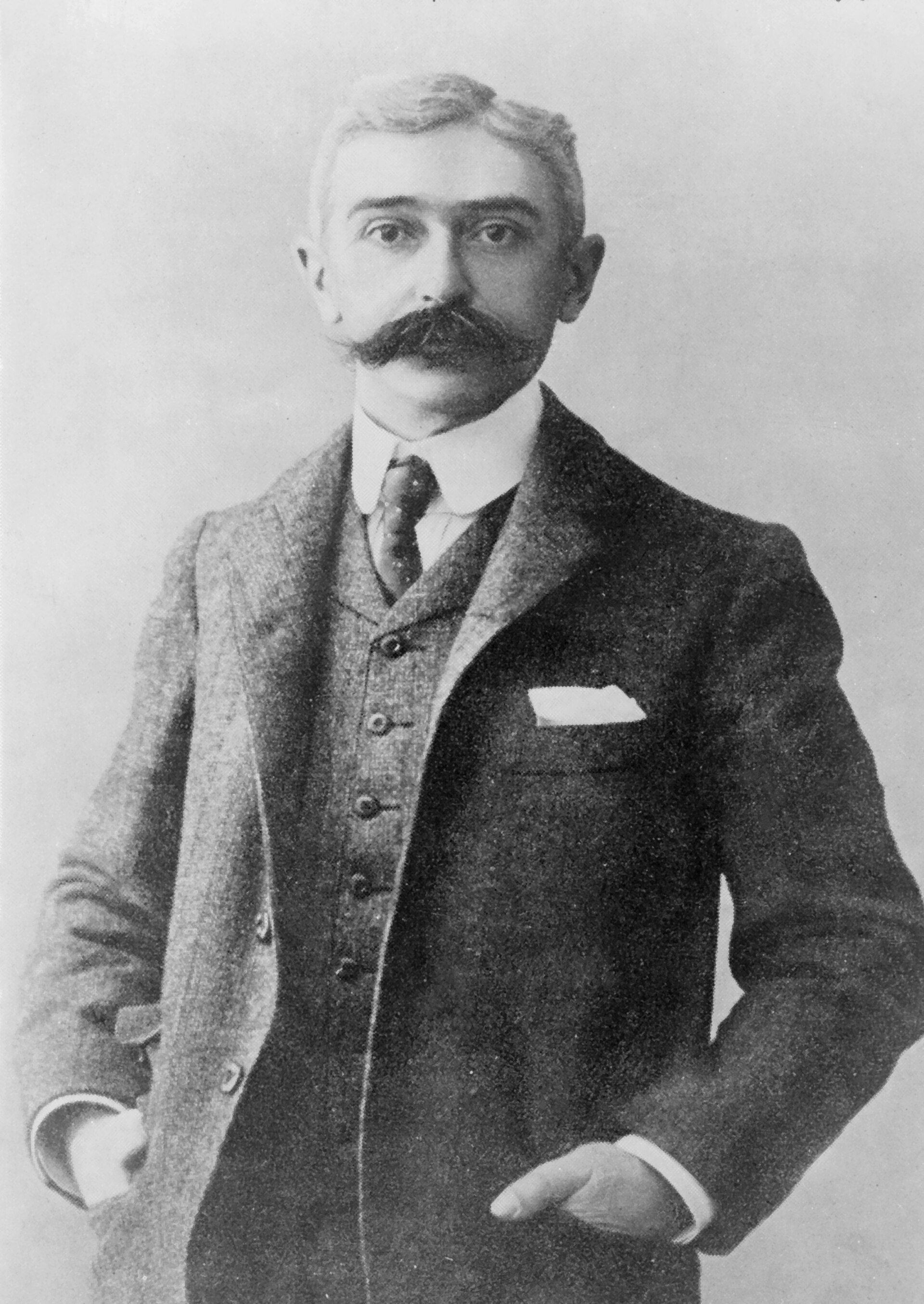
The modern Olympics were founded by the French educator Pierre de Coubertin, who admired the ancient ideal and believed that sport could build character and promote peace and understanding between nations. Through his efforts the International Olympic Committee was formed, and the first modern Games were held in Athens in 1896.
From a few hundred athletes in 1896, the Games grew steadily, adding more sports and nations. The Winter Olympics began in 1924 for sports on snow and ice. Over time the Games opened to professional athletes and, gradually, to women across nearly every event, becoming far more inclusive than their ancient forerunner.
The Olympics are rich in symbol and ritual. The five linked rings represent the union of the continents, the torch relay carries a flame lit at Olympia to the host city, and grand opening and closing ceremonies showcase the host nation. The motto, often given as "faster, higher, stronger," captures the spirit of striving.
As a global stage, the Olympics have often been touched by politics. They have seen boycotts, protests, and propaganda, and the 1972 Munich Games were struck by terrorism. Hosting is hugely expensive and has sparked debate about cost and benefit. Doping scandals have also tested the ideal of fair competition.
Today the Summer and Winter Games each draw thousands of competitors and a television audience of billions. Beyond the medals, the Olympics carry an enduring ideal of friendly competition and international goodwill, a thread that links the modern spectacle to its ancient roots and makes it one of humanity's great shared events.
