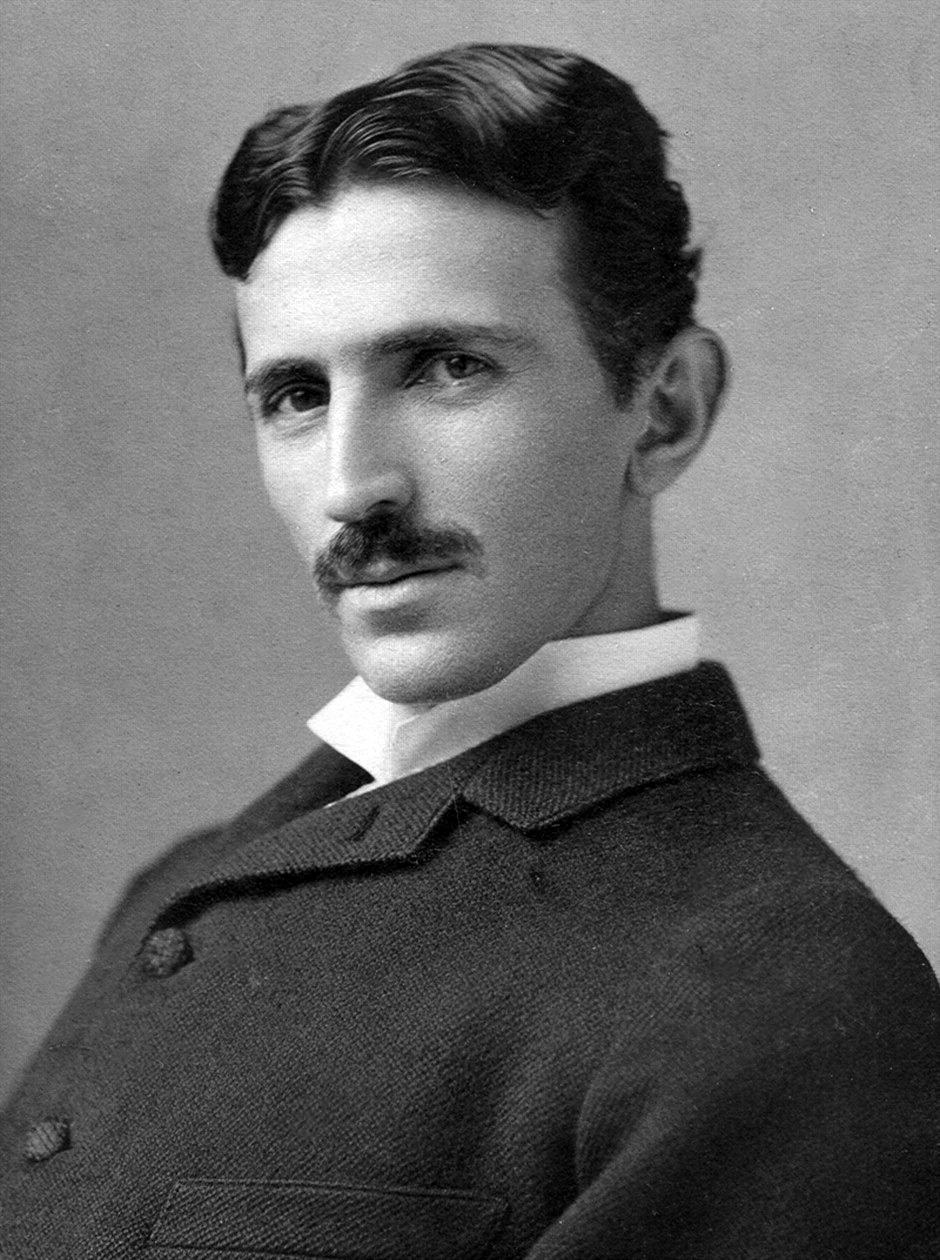
Nikola Tesla was an inventor and electrical engineer best known for his pioneering contributions to the alternating current electrical system that powers the modern world. Born in 1856 in what is now Croatia, then part of the Austrian Empire, he emigrated to the United States in 1884 and spent his career there.
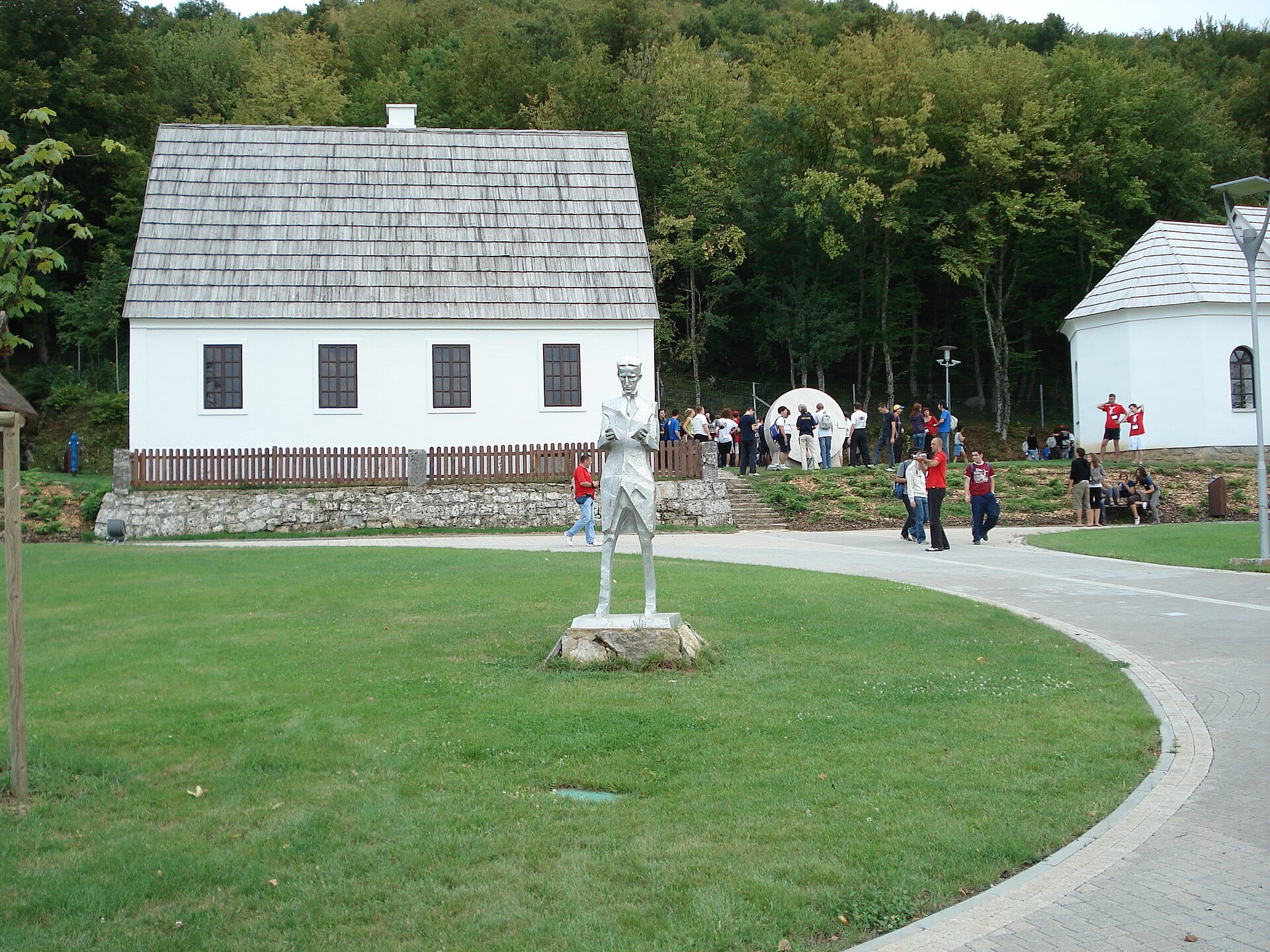
The son of an Orthodox priest and a mother who, though unschooled, was a gifted inventor of household devices, Tesla showed an extraordinary memory and a vivid visual imagination from boyhood. He could reportedly visualize machines in complete detail in his mind, picturing and testing them before building anything.
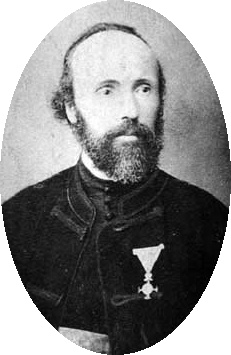
Tesla's father intended him for the priesthood, but a severe illness in his teens became the occasion for a bargain: if the boy recovered, his father would let him study engineering instead. Tesla recovered and pursued the sciences with single minded intensity.
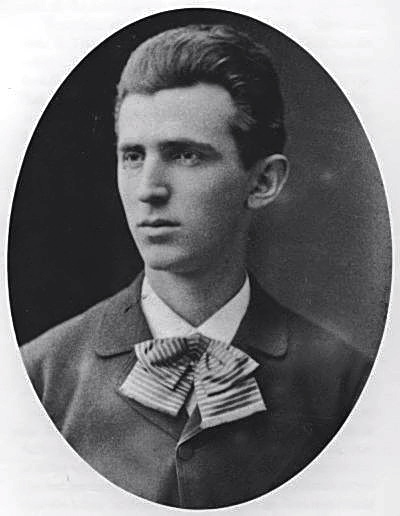
Tesla studied engineering and physics, and he later described conceiving his alternating current motor in a sudden flash while walking in a park and reciting poetry, sketching the design in the dirt with a stick.
Tesla's designs for alternating current motors and transformers made it practical to transmit electrical power over long distances, a decisive advantage over the direct current systems of the time. His work was central to the build-out of electrical grids, and the induction motor he devised remains in widespread use today.
Tesla briefly worked for Thomas Edison after emigrating, before the two became rivals in the so-called "war of the currents" between alternating and direct current. Backed by the industrialist George Westinghouse, Tesla's alternating current ultimately won, becoming the global standard.
Tesla went on to a prolific career of invention, including the Tesla coil, fluorescent lighting experiments, and early work in wireless transmission and radio. His showmanship and bold predictions made him a celebrity, though many of his grandest schemes, including a plan for worldwide wireless power, were never realized.
Despite his technical brilliance, Tesla struggled with money and business, and his later years were marked by eccentricity, mounting debts, and increasing isolation. He died alone in a New York hotel in 1943.
In the decades since his death, Tesla's reputation has soared, and he is now celebrated as a visionary whose ideas anticipated much of modern electrical and wireless technology. The unit of magnetic flux density, the tesla, is named in his honor.
