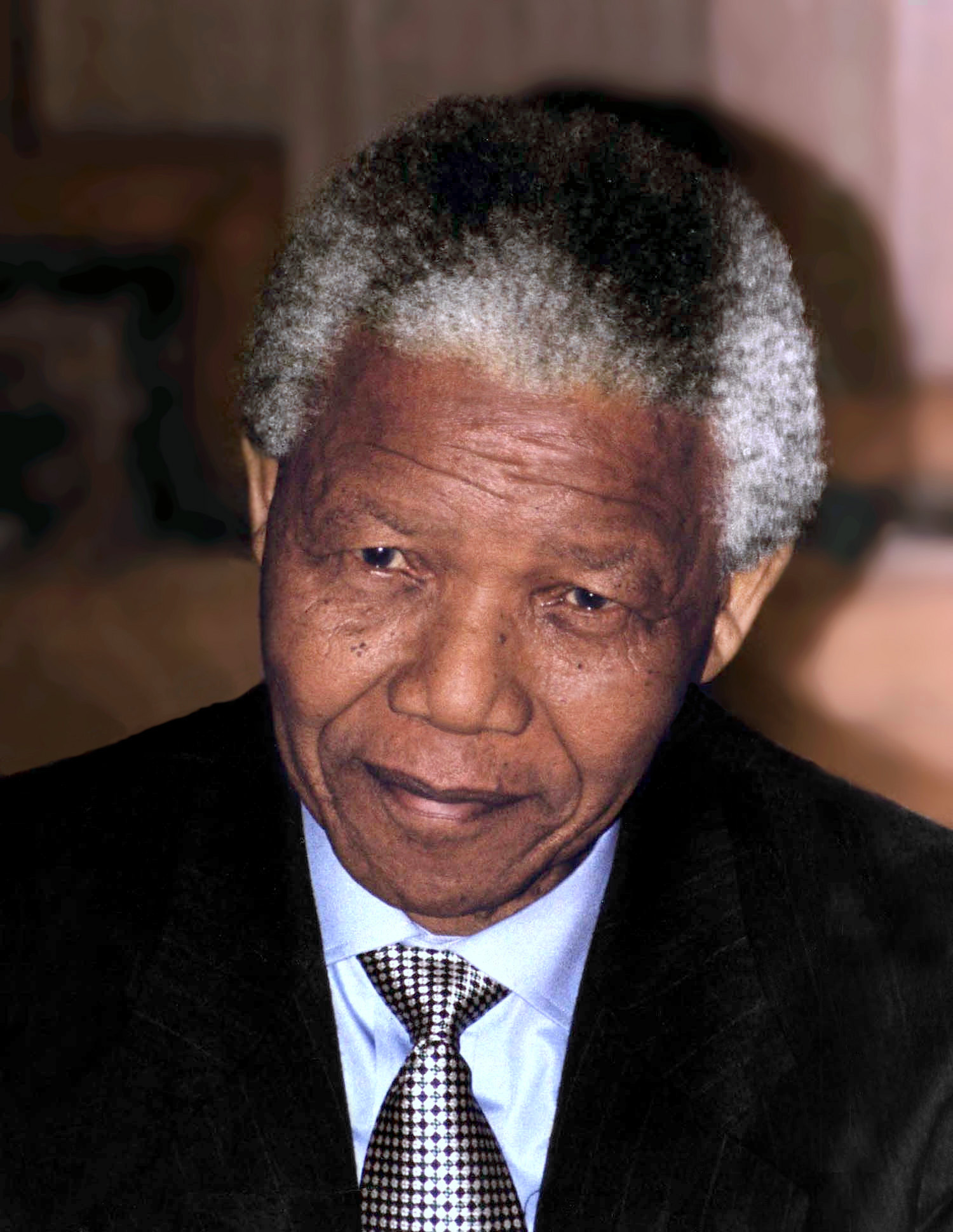
Nelson Mandela was a South African anti-apartheid revolutionary and statesman who served as the country's first democratically elected president. Born in 1918 in the rural Eastern Cape, he became a global symbol of resistance to injustice and of reconciliation.
Born into the Thembu royal family, Mandela was groomed as a counselor to tribal leaders, but he fled an arranged marriage for Johannesburg, where the realities of life under white rule sharpened his political awakening. He trained as a lawyer and opened the country's first Black law practice with his partner Oliver Tambo.
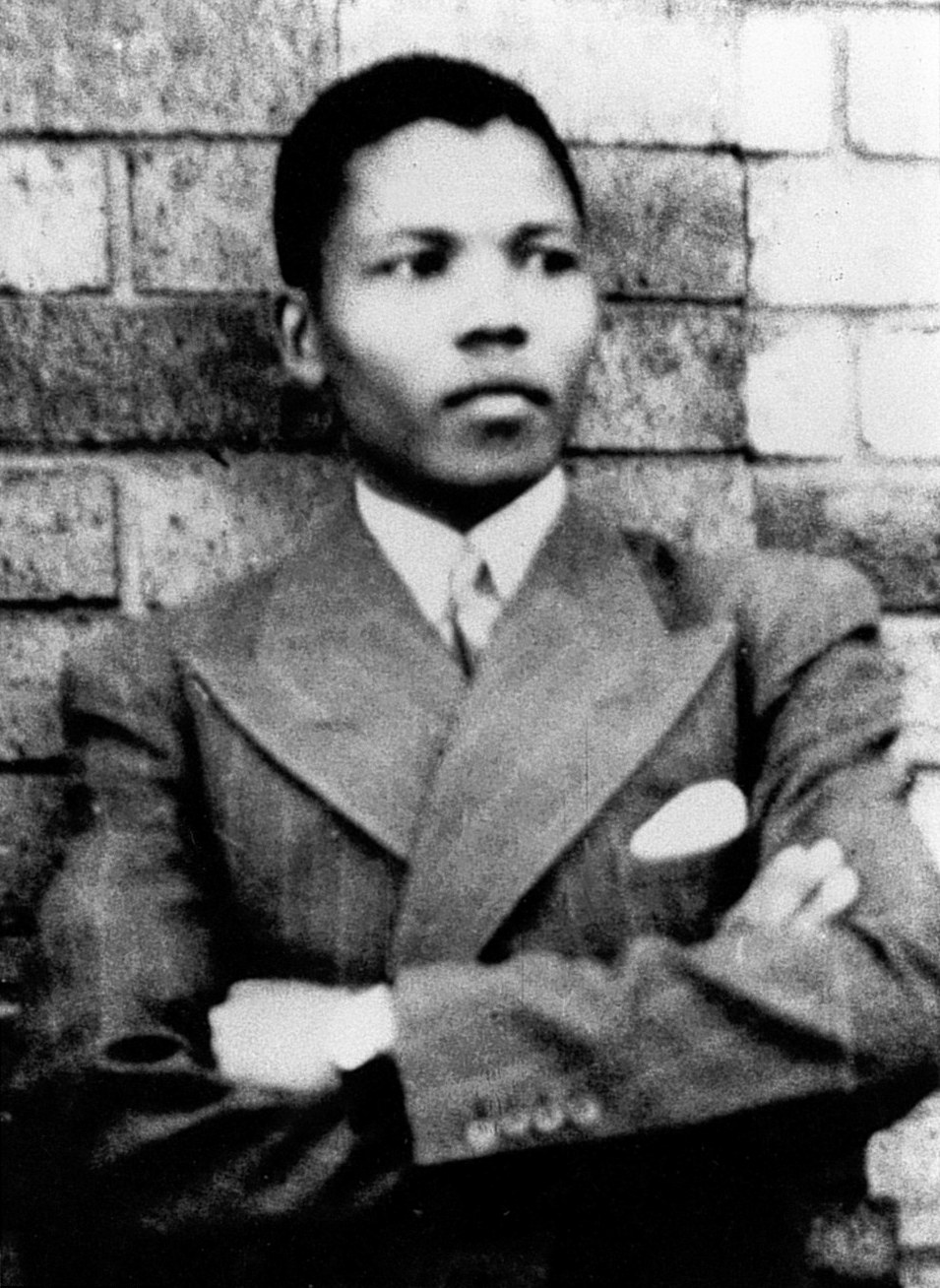
Mandela joined the African National Congress and rose to lead its campaign against apartheid, the system of brutal racial segregation enforced by South Africa's white minority government. He helped build a mass movement of protest and defiance through the 1950s.
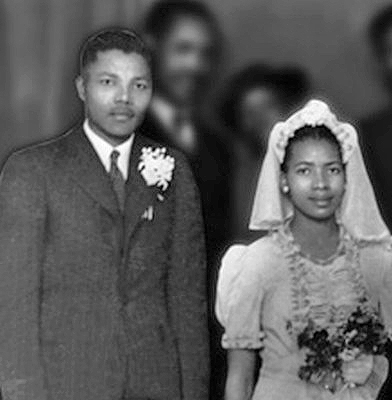
After the state banned peaceful protest and met it with massacres, Mandela concluded that nonviolence alone could not prevail, and he helped organize an armed wing of the movement. He went underground and traveled abroad to seek support before his capture.
In 1964, at the Rivonia Trial, Mandela was sentenced to life imprisonment. In a speech from the dock that became famous worldwide, he declared his readiness to die for the ideal of a free and equal society.
Mandela spent twenty-seven years in prison, much of it breaking rocks in the harsh conditions of Robben Island. Rather than fading from view, he became the world's most famous political prisoner, and the international campaign for his release, including sanctions and protests across the globe, intensified pressure on the apartheid regime.
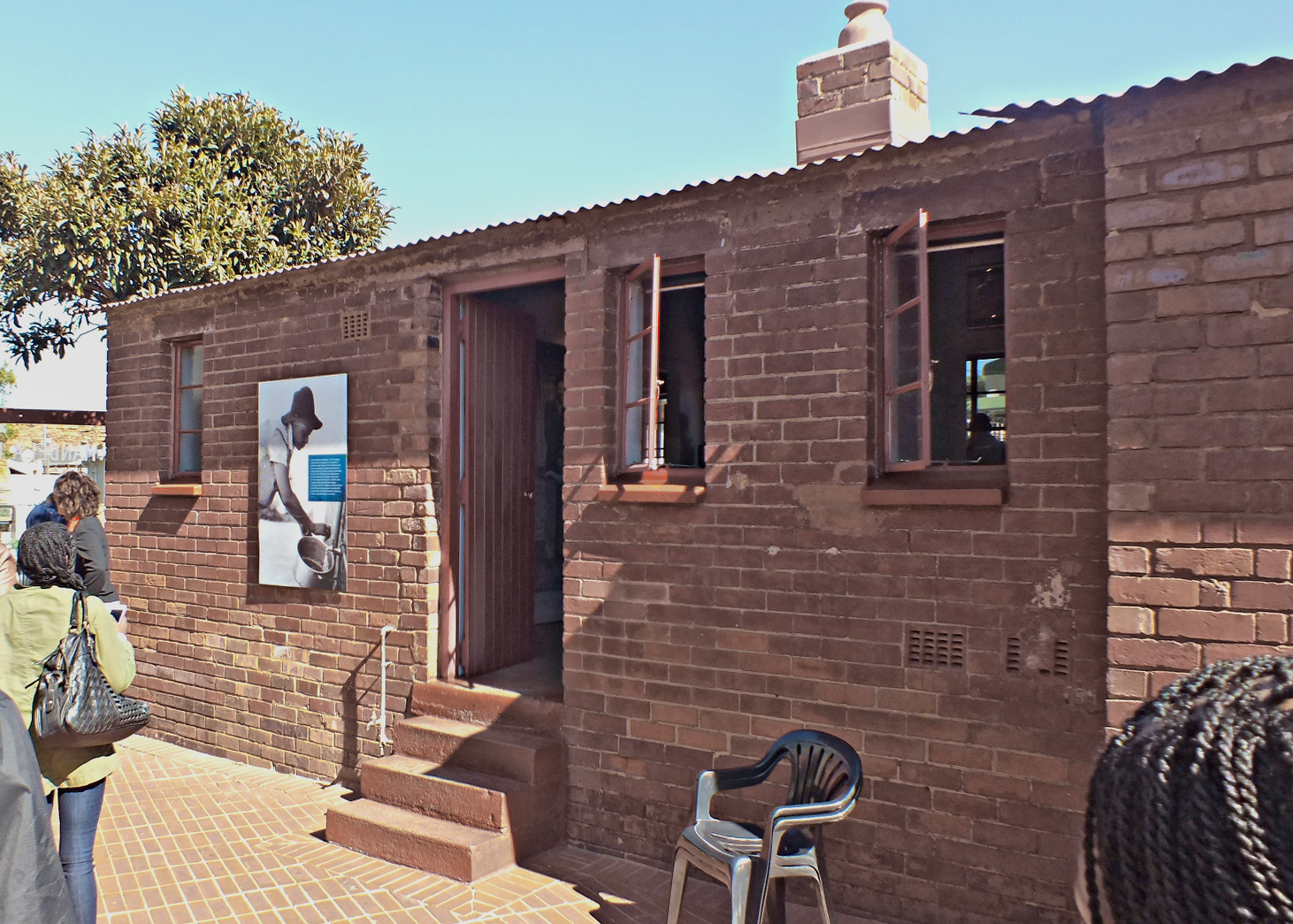
Released in 1990 amid mounting crisis, Mandela led the delicate negotiations that dismantled apartheid, steering the country away from the civil war many had feared and persuading both his own movement and a frightened white minority to accept a peaceful transition.
In 1994 Mandela was elected president in South Africa's first fully democratic vote. He shared the 1993 Nobel Peace Prize and is remembered above all for choosing reconciliation over revenge, working to unite a divided nation through gestures of forgiveness and a Truth and Reconciliation Commission.
Mandela stepped down after a single term, a rare act of restraint among leaders who could have held power for life. He spent his final years as an elder statesman and campaigner against poverty and disease, and he died in 2013, mourned around the world.
