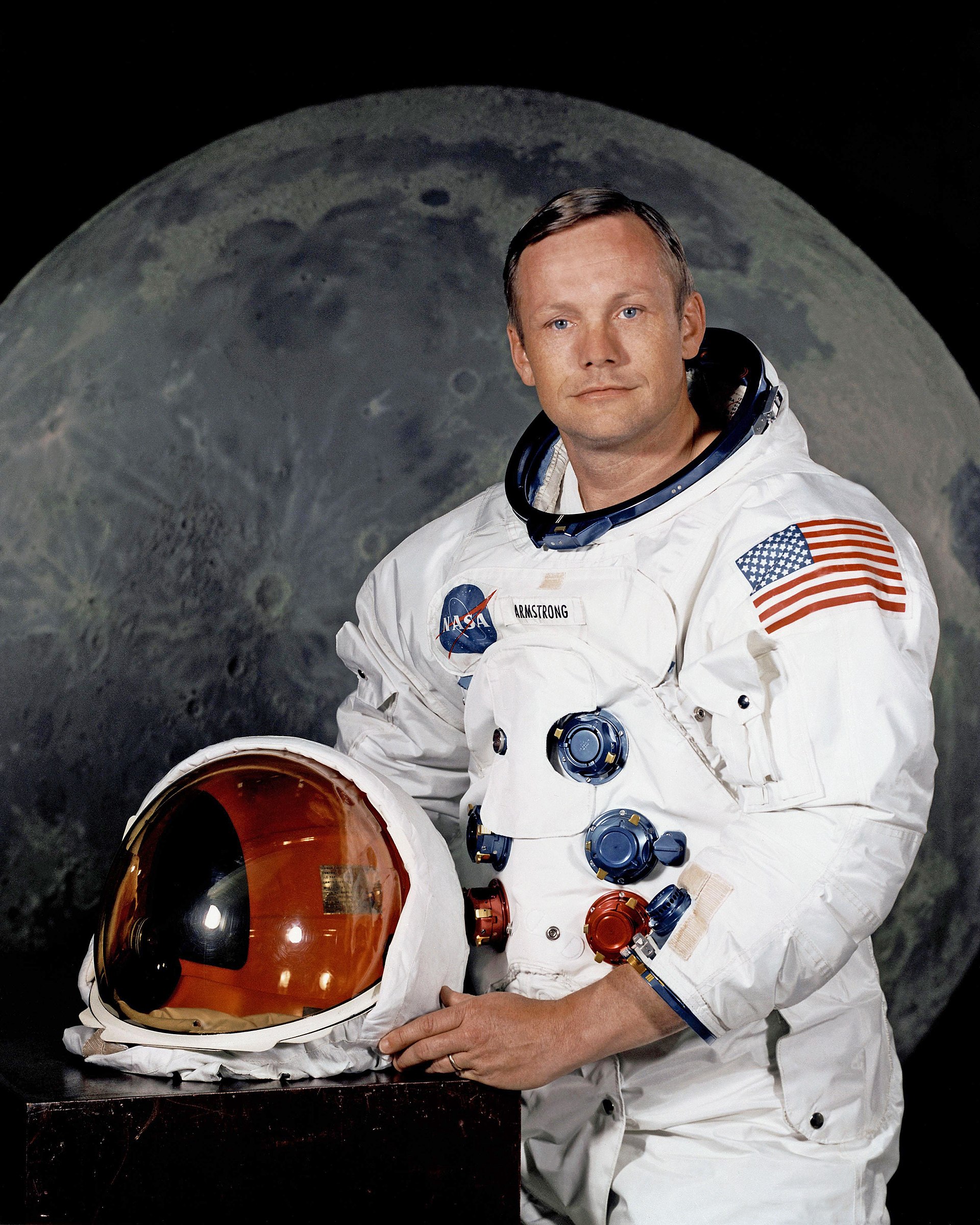
Neil Armstrong (1930 to 2012) was an American astronaut and the first human being to set foot on the Moon. His step onto the lunar surface in 1969 was one of the defining moments in the history of exploration.
Armstrong was fascinated by flight from boyhood, earning his pilot's licence before he could even drive a car. This early love of flying set the course of his life, leading him through study, military service, and a career at the very cutting edge of aviation and, eventually, spaceflight.
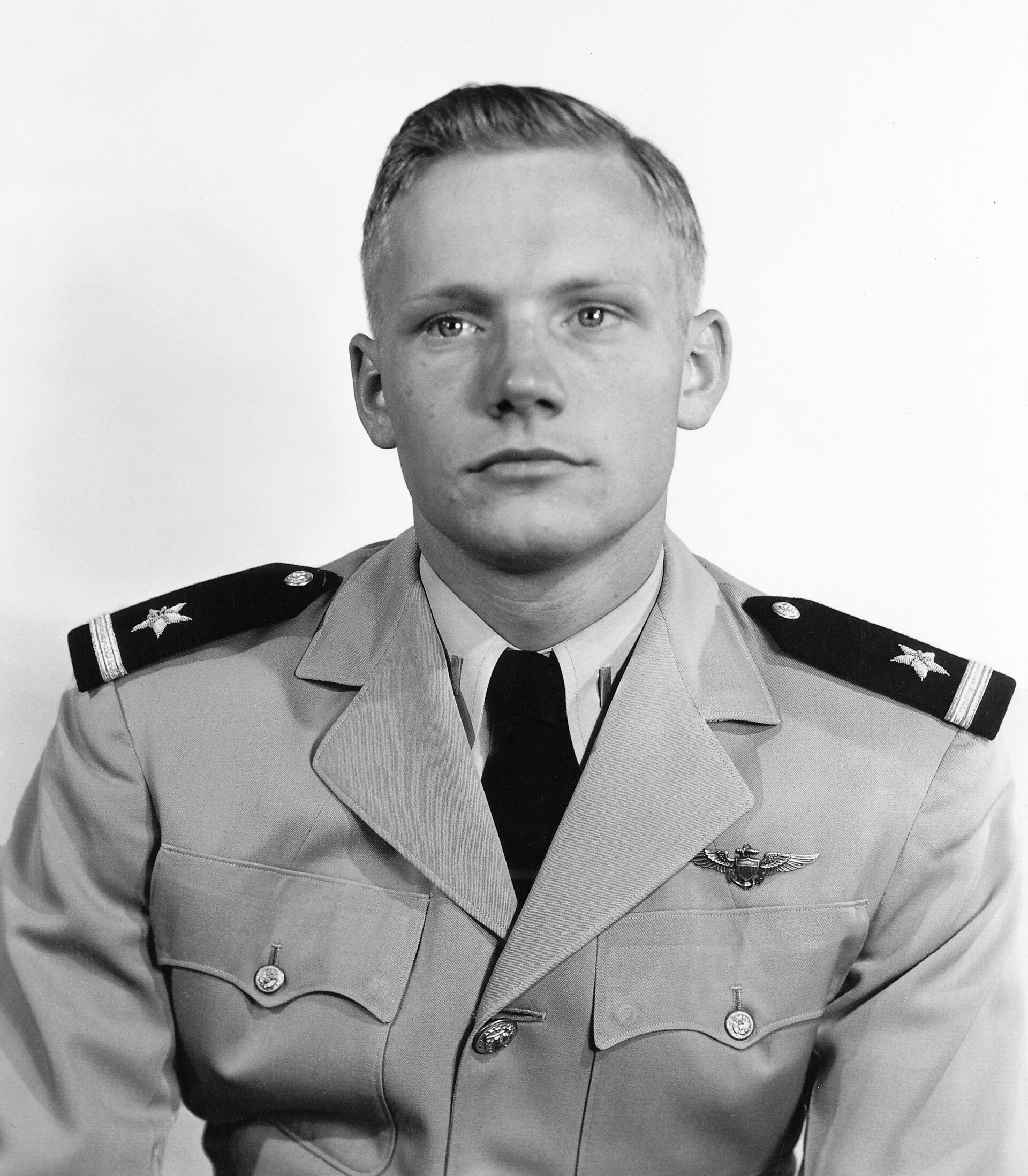
Before becoming an astronaut, Armstrong was a skilled naval aviator who flew combat missions, and then a test pilot who flew experimental rocket planes at the very edge of space. Calm, modest, and highly capable, he combined the cool nerve of a great pilot with the precise mind of an engineer.
Armstrong's coolness in a crisis was legendary. On an early space mission, Gemini 8, when his capsule began to spin dangerously out of control, he kept his composure and saved the crew through quick, careful action. It was this rare steadiness that helped mark him out for the most important flight of all.
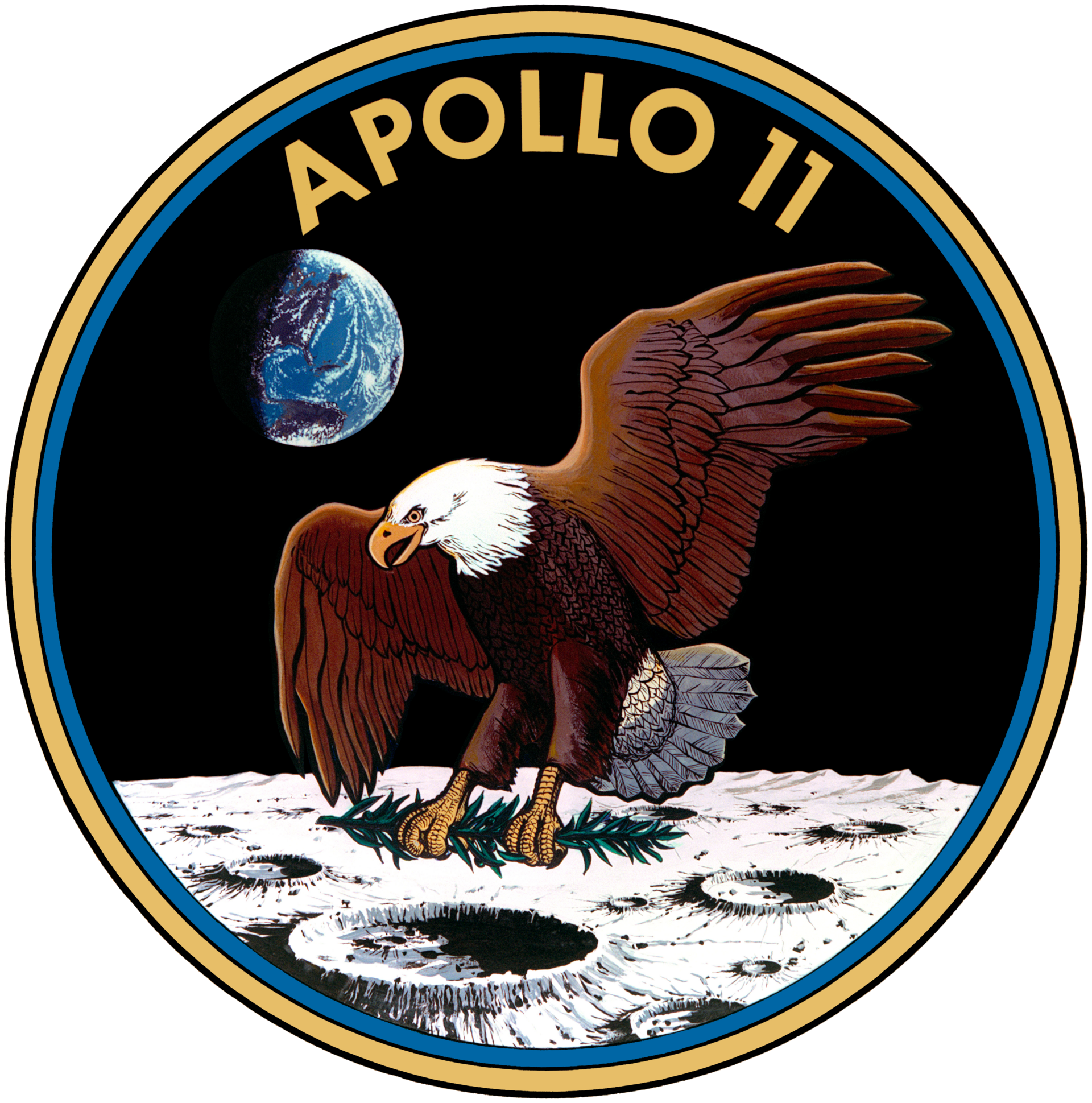
As commander of NASA's Apollo 11 mission, Armstrong led the first attempt to land humans on the Moon. After a journey of nearly a quarter million miles, with fuel running low and alarms sounding, he calmly took manual control and guided the lunar module to a safe landing on the Moon's surface.
On 20 July 1969, Armstrong climbed down the ladder and became the first person to walk on the Moon. As he stepped onto the dusty surface, he spoke the famous words, "That's one small step for man, one giant leap for mankind," heard by hundreds of millions of people around the world.
For a few hours, as Armstrong and his crewmate explored the lunar surface, the world watched, united in awe at a feat that had seemed the stuff of dreams. The landing was a triumph not just of one nation but of human ingenuity and courage, a moment that captured the imagination of all humanity.
Despite his worldwide fame, Armstrong was a famously private and humble man who shunned the spotlight and rarely spoke of his historic achievement. He returned to ordinary life, teaching engineering and avoiding the trappings of celebrity, uneasy with being treated as a hero for what he saw as a team effort.
Armstrong died in 2012, remembered not only for a singular feat that united the world in wonder, but for the quiet dignity and modesty with which he carried it. His first footprint on the Moon remains one of the great symbols of human exploration and of what people can achieve when they reach for the stars.
