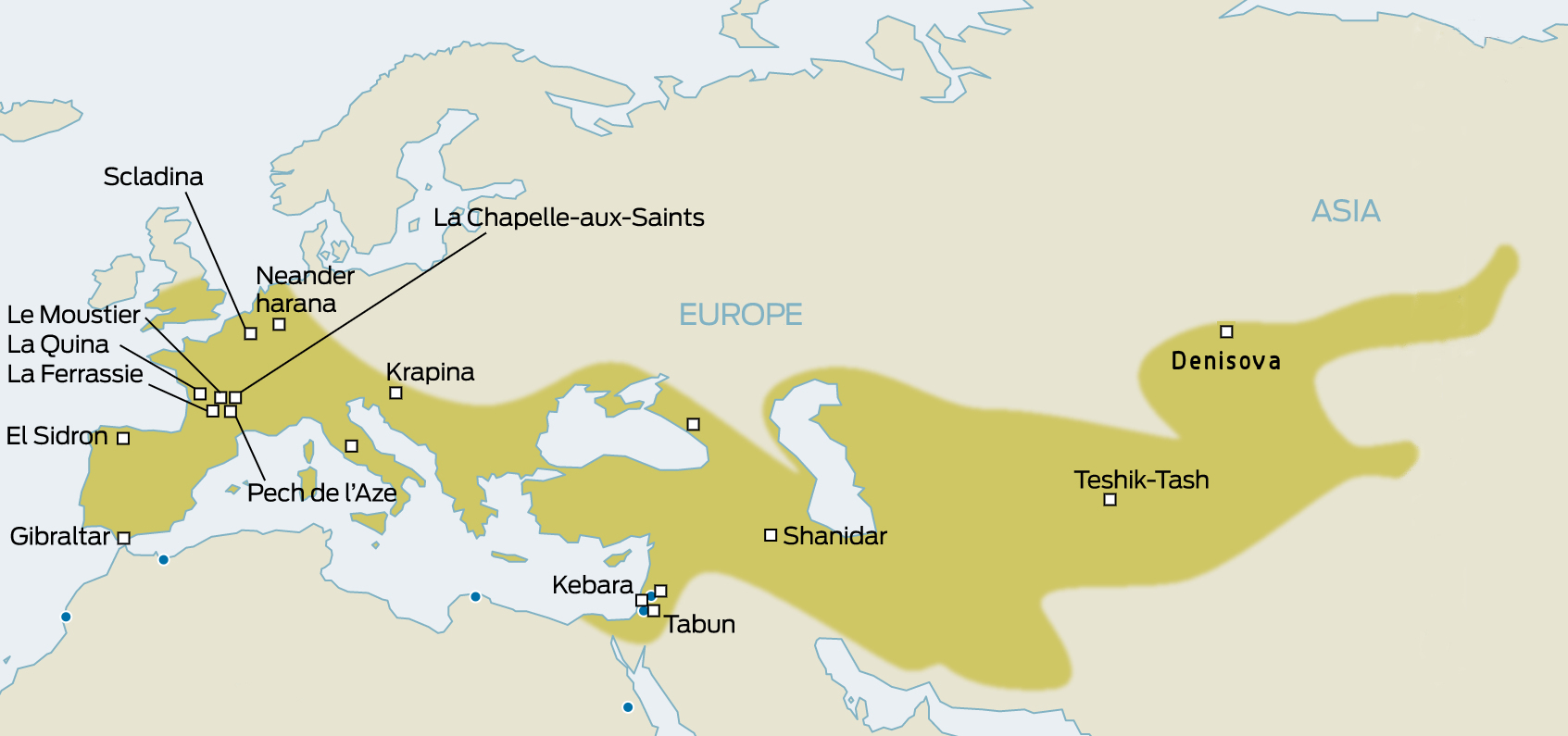
Neanderthals were a species of ancient humans who lived across Europe and Asia for hundreds of thousands of years before disappearing around 40,000 years ago. Why they died out, just as modern humans were spreading, is a genuinely contested question.
Neanderthals were a distinct kind of human, close relatives of our own species, who thrived across Europe and western Asia for a very long time. Stockily built and powerful, they were superbly adapted to the cold of ice age Eurasia, and they were anything but the dim brutes of old stereotypes.
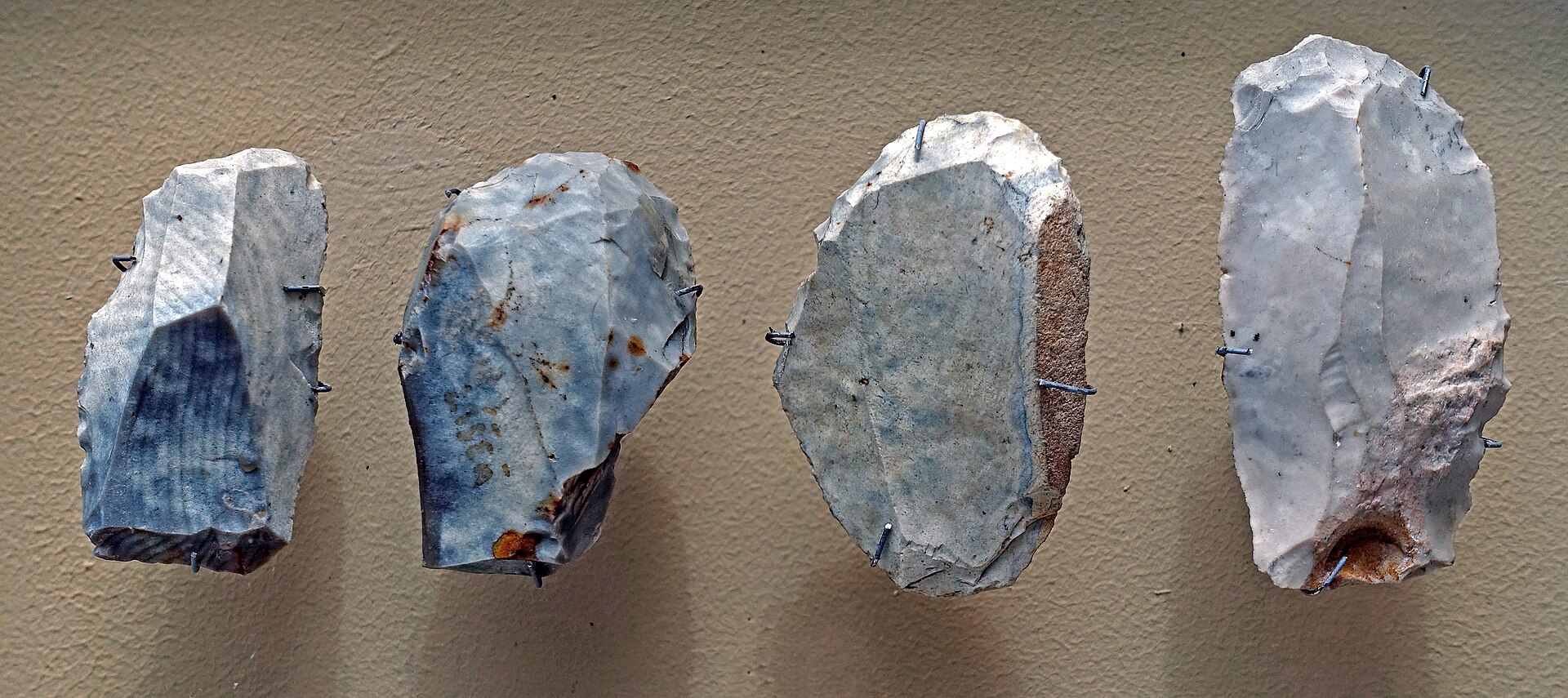
Neanderthals made sophisticated stone tools, controlled fire, hunted large and dangerous game, cared for their sick, and buried their dead. There are signs they used pigments and ornaments, hinting at symbolic thought. For hundreds of thousands of years they flourished, masters of a harsh and challenging world.
Then, within a few thousand years of modern humans spreading out of Africa into their lands, the Neanderthals vanished, leaving our species as the only humans on Earth. The closeness of this timing, modern humans arriving as Neanderthals disappeared, lies at the heart of the mystery.
One leading idea is that modern humans simply outcompeted Neanderthals for the same food and territory. Perhaps better tools, wider trade and social networks, or some advantage in thinking, planning, or communication gave the newcomers an edge in the struggle for scarce resources, slowly squeezing the Neanderthals out.
Another idea points to climate. The ice age world swung through periods of harsh, unstable climate, and these swings may have stressed Neanderthal populations, which were never very large. A series of bad spells could have pushed small, scattered groups past the brink, with or without competition from newcomers.
Neanderthal populations seem always to have been small and thinly spread, which would have made them vulnerable. Some researchers suggest that diseases carried by modern humans, to which Neanderthals had no immunity, may have taken a toll, or that small numbers alone left them prone to chance extinction.
Tellingly, the Neanderthals did not vanish completely. Most people alive today outside Africa carry a small amount of Neanderthal DNA, proof that the two groups met and interbred. In a sense, the Neanderthals were partly absorbed into our own species rather than wholly wiped out, complicating the very idea of their "extinction."
With limited fossils, overlapping possible causes that are hard to separate, and the complication of interbreeding, exactly why the Neanderthals disappeared remains genuinely debated. Most researchers suspect a combination of pressures, but how much was competition, climate, disease, or chance is still an open and fascinating question.
