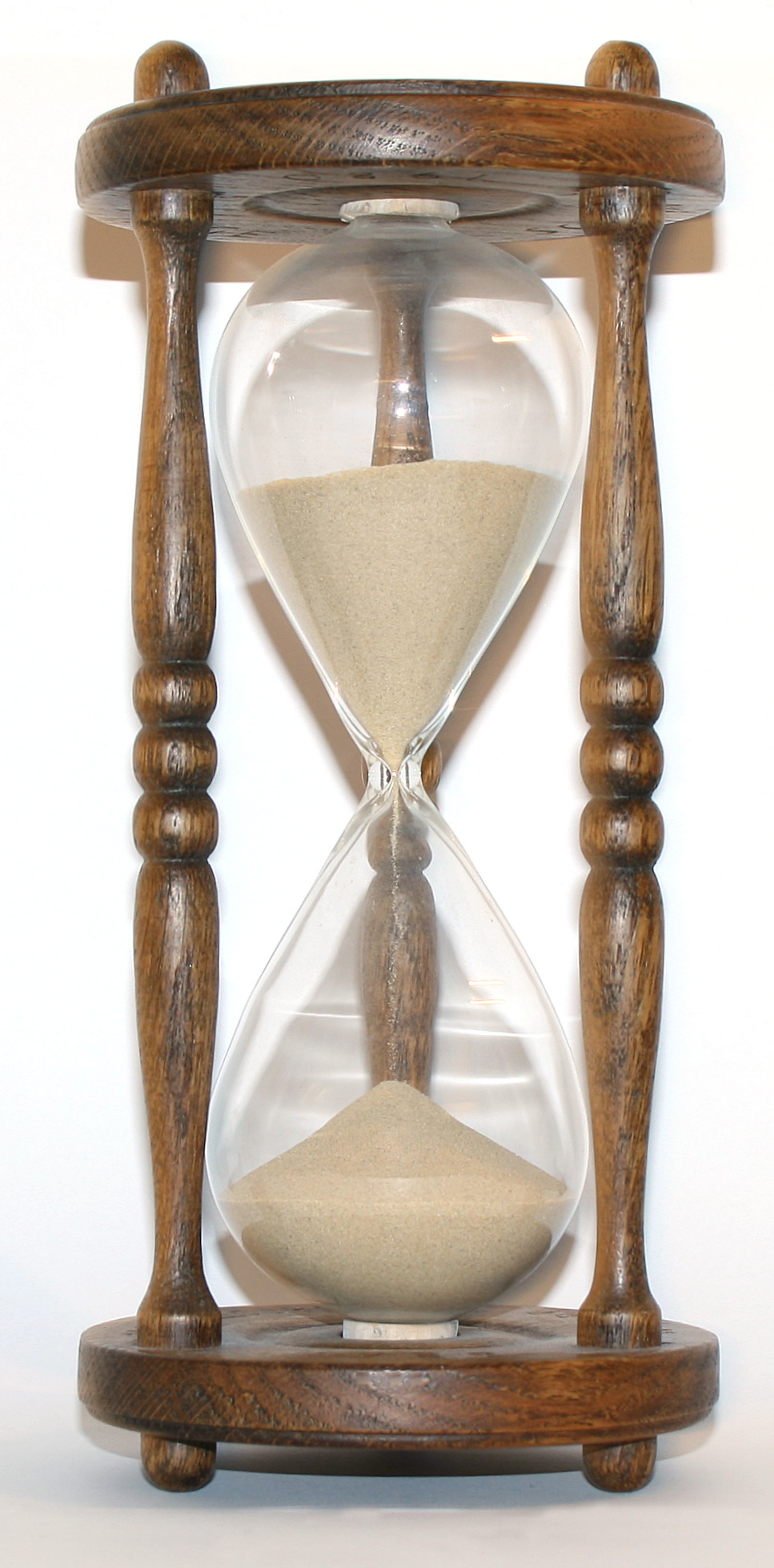
Time is one of the most familiar parts of our experience, yet what it really is remains one of the deepest and most contested questions in physics and philosophy. We measure it precisely, but we struggle to say what it fundamentally is.
Nothing is more familiar than time. We feel it passing, plan our lives around it, and watch it carry us from birth to death. And yet, as Saint Augustine famously remarked, we know perfectly well what time is until someone asks us to explain it, whereupon we find we cannot. It is the most ordinary of mysteries.
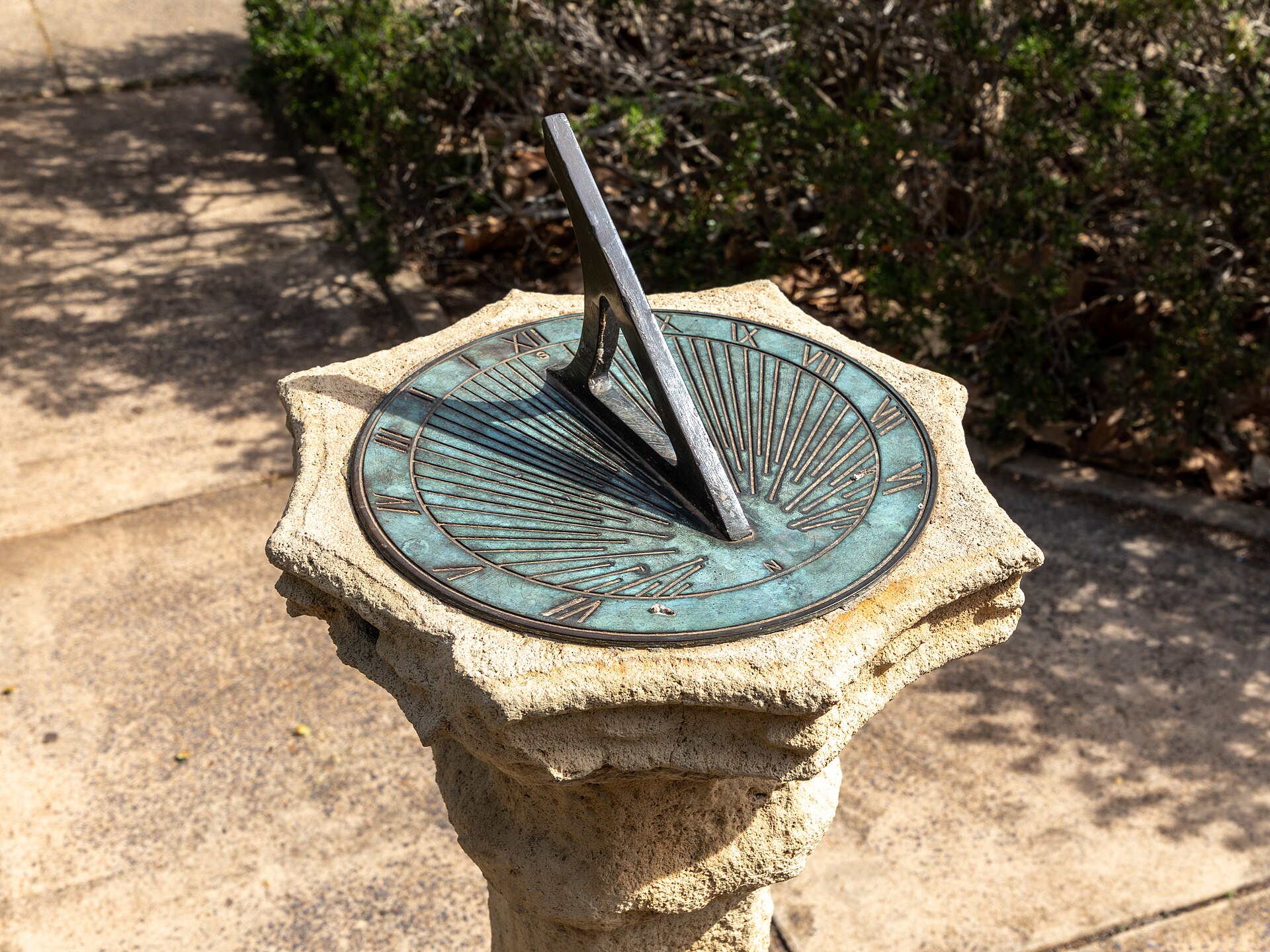
Humans have always measured time, by the Sun, the stars, and the seasons, then with sundials, water clocks, and mechanical clocks, and now with atomic clocks so precise they would lose less than a second over the age of the universe. We have grown extraordinarily good at measuring time, even as its nature eludes us.
For Newton, time flowed uniformly everywhere, the same for all. Einstein overturned this. His theory of relativity showed that time runs slightly slower for fast moving objects and in stronger gravity, effects now confirmed by experiment. There is no single universal clock; time is personal, bending with motion and gravity.
Einstein also showed that time is not separate from space but woven together with it into a single four dimensional fabric called spacetime. Space and time are aspects of one underlying thing, and how each is experienced depends on the observer's motion. This deeply strange idea is now a cornerstone of physics.
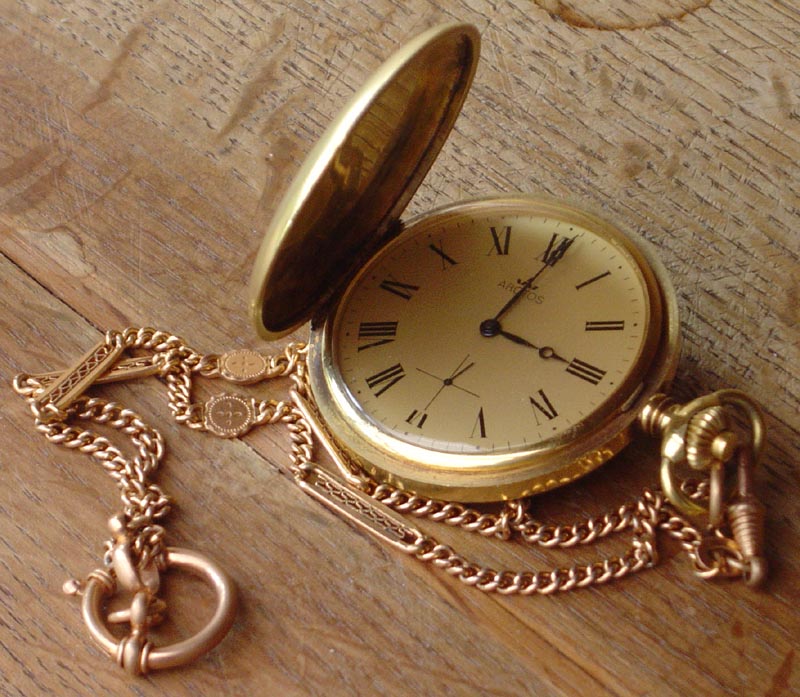
A deep puzzle is why time seems to flow in only one direction, from past to future, when most physical laws work the same forwards and backwards. We remember the past but not the future, and broken cups never reassemble. Many physicists link this "arrow of time" to the tendency of disorder, or entropy, to increase.
Philosophers and physicists debate whether the flow of time is real or an illusion. Some hold that the passage of time, the sense of a moving "now," is a feature of how our minds work rather than of the universe itself. On this view, past, present, and future may all exist equally, with no genuine flow at all.
Time behaves strangely in quantum physics, and in the leading theory of gravity it is woven into the fabric of spacetime, yet the two great theories of physics treat time differently and have never been fully reconciled. Some physicists suspect that uniting them may require rethinking, or even abandoning, time as a fundamental ingredient.
For all our skill at measuring it, the true nature of time remains profoundly open. Is the flow of time real or an illusion? Do the past and future exist? Is time fundamental, or does it emerge from something deeper? These questions sit at the frontier of physics and philosophy, as unresolved as they are ancient.
