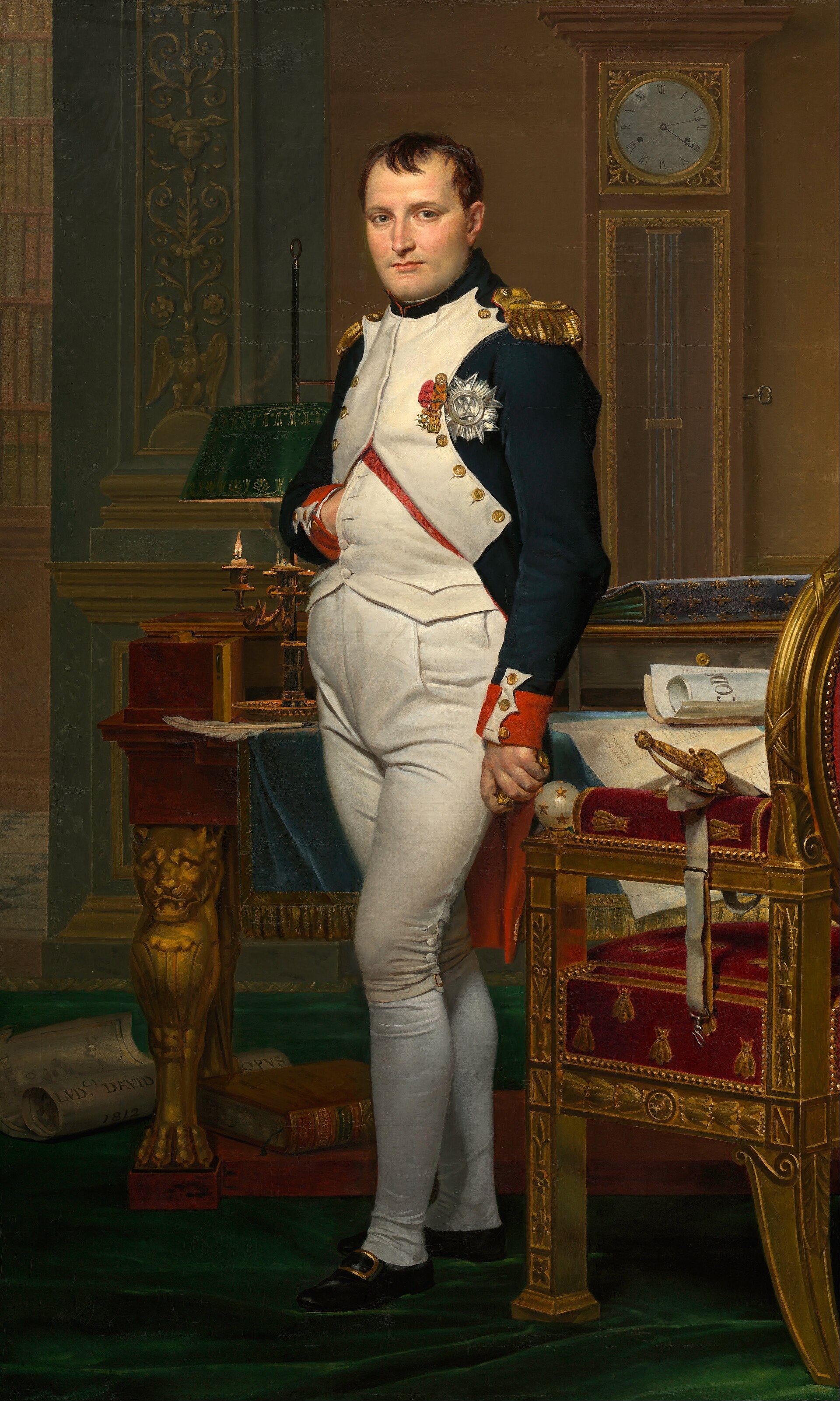
Napoleon Bonaparte (1769 to 1821) was a French military and political leader who rose during the French Revolution to become Emperor of the French and to dominate European affairs for over a decade. He is regarded as one of history's greatest commanders.
Napoleon was born on the Mediterranean island of Corsica, which had only recently come under French rule, and he grew up something of an outsider, speaking French with an accent. He trained as an artillery officer, and his sharp mind, ambition, and grasp of warfare would carry him from these modest beginnings to the heights of power.
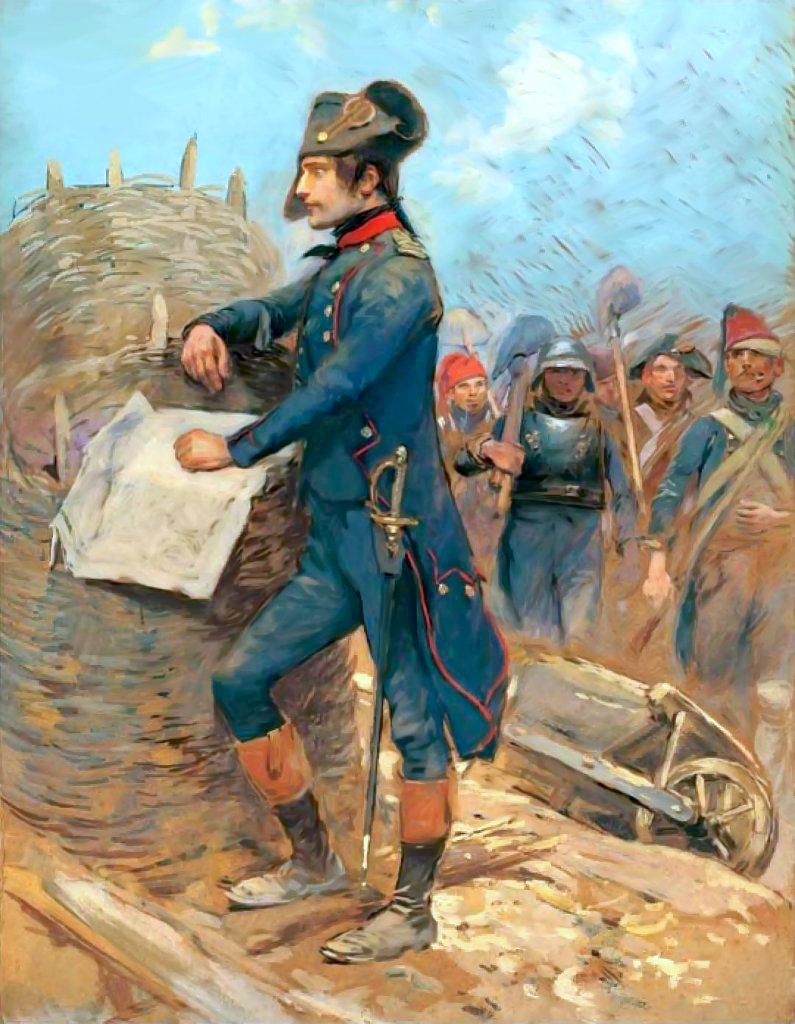
The chaos of the French Revolution gave the young officer his opportunity. Napoleon rose rapidly through the ranks, winning a series of brilliant victories that made his name. His success on the battlefield, and his shrewd grasp of politics, lifted him to ever greater prominence as the revolutionary order searched for stability.
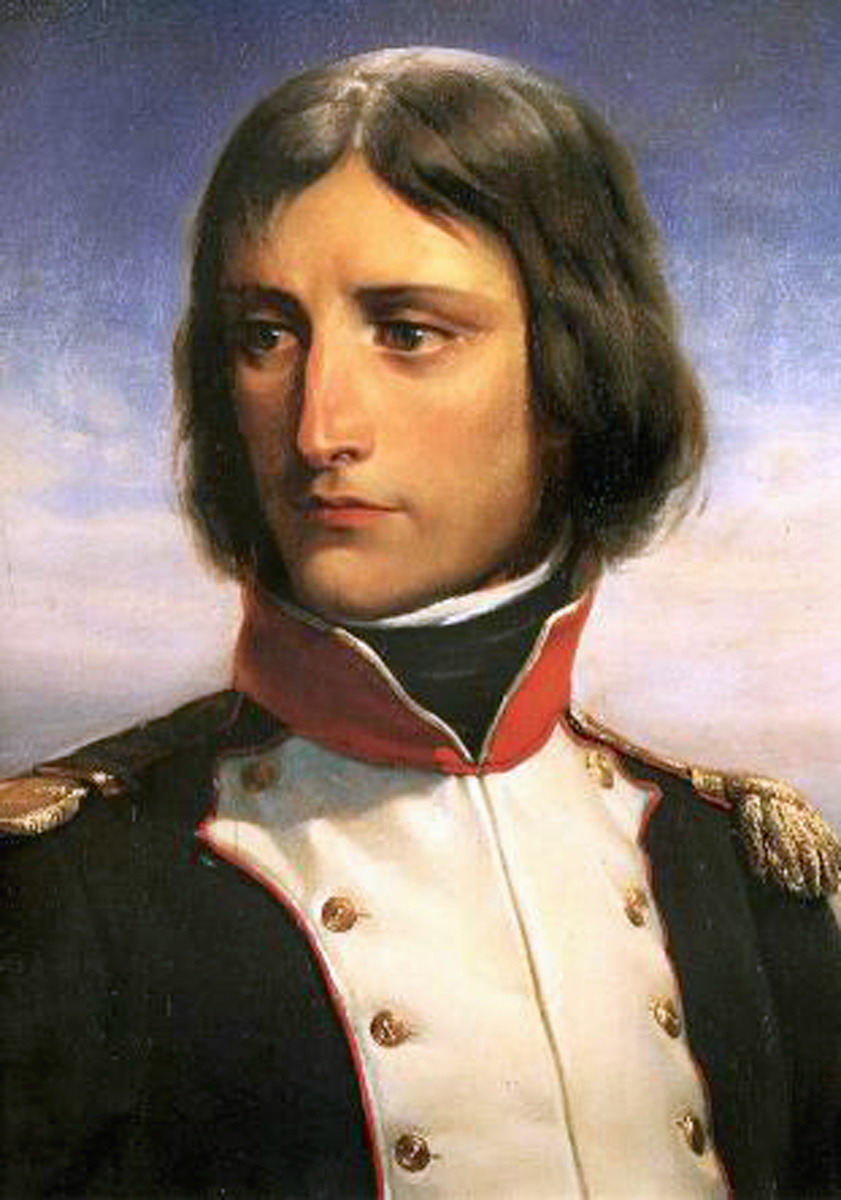
In 1799 Napoleon seized political power in a coup, becoming the effective ruler of France, and in 1804 he crowned himself Emperor, famously taking the crown into his own hands. Few figures have climbed so far, so fast, from relatively modest origins to the supreme height of European power in just a few years.
As a commander, Napoleon led French armies to victory after victory across much of Europe, displaying a genius for strategy, speed, and the bold use of force. His campaigns are still studied in military academies. For years he seemed almost invincible, redrawing the map of the continent through conquest.
Napoleon was far more than a general. He reformed France's laws, education, finances, and administration, leaving institutions that long outlived him. His Napoleonic Code, a clear, unified system of civil law, swept away a tangle of old rules and influenced legal systems around the world, remaining one of his most lasting achievements.
Napoleon's ambition eventually outran his power. His disastrous invasion of Russia in 1812 destroyed the bulk of his vast army in the cold and chaos of the retreat, a catastrophe from which he never fully recovered. With his forces shattered, his many enemies united against him.
Beaten by the allied powers, Napoleon was forced to abdicate and exiled to the island of Elba. He escaped and briefly returned to power in France, only to be defeated decisively at the Battle of Waterloo in 1815. This time his enemies exiled him far away, to the remote Atlantic island of Saint Helena, where he died.
Napoleon's legacy is debated to this day. He spread some of the reforms and ideals of the Revolution across Europe, yet his wars cost millions of lives and he ruled as an autocrat. Brilliant, ambitious, and ruthless, he left a profound and lasting mark on law, government, and the modern world.
