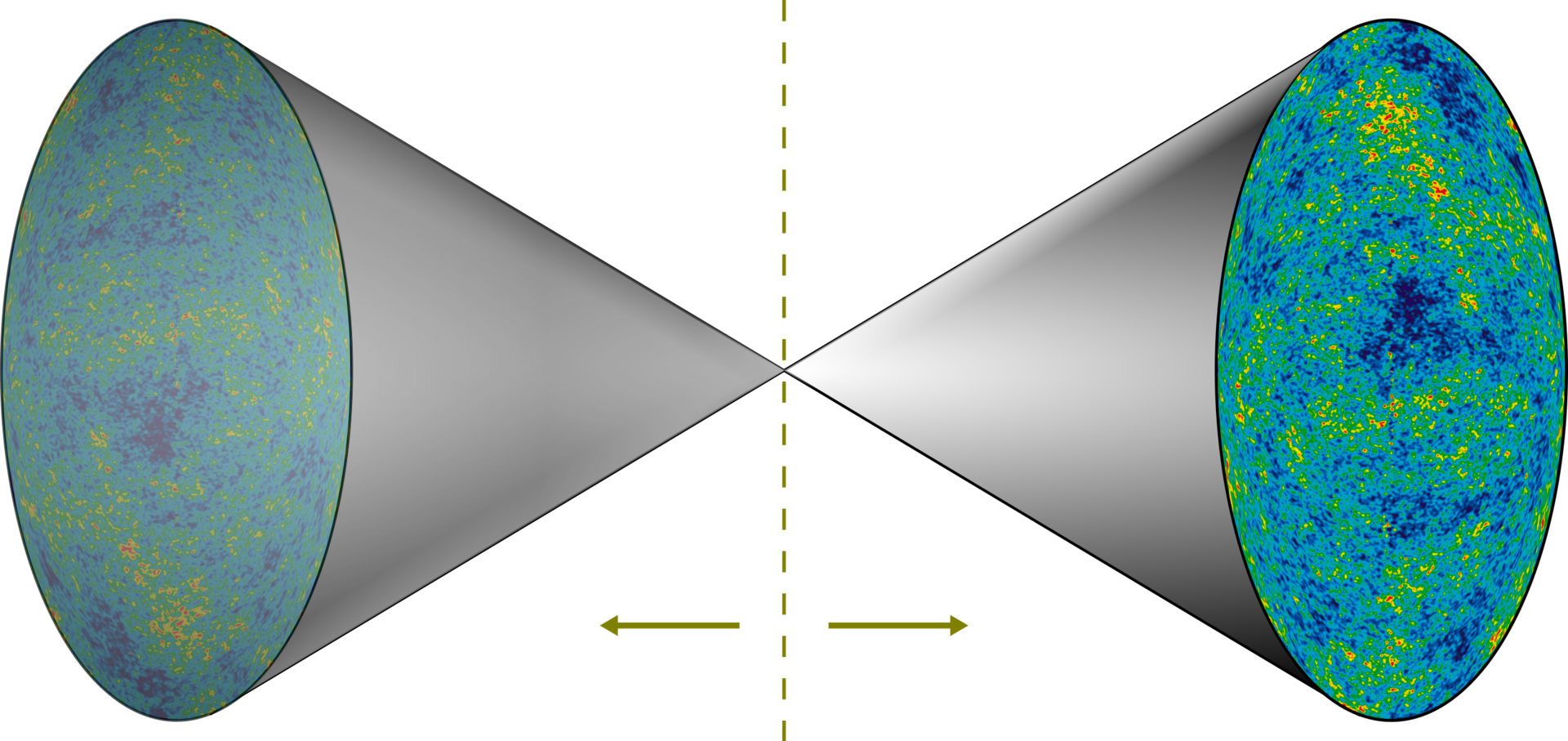
The multiverse is the hypothesis that our universe is only one of many, perhaps even infinitely many, other universes. It is taken seriously by many physicists because it falls out naturally from several leading theories, yet it is also one of the most contested ideas in science, because it is extraordinarily difficult, perhaps impossible, to test.
The multiverse is not a single theory but a family of them. In each case, other universes arise as a consequence of a theory built for entirely different reasons, not as an assumption added on. That is part of why physicists take the idea seriously even without direct evidence for it.
Several roads lead to a multiverse. Cosmic inflation, the leading account of the universe's first fraction of a second, may never fully stop, endlessly spawning new universes like bubbles. Some interpretations of quantum mechanics suggest reality branches at every measurement. String theory appears to allow an astronomically large number of possible universes, each with its own particles and forces.
The central problem is testability. By their very definition, other universes lie beyond anything we can observe, since no light or signal from them can reach us. We can only ever see out to the edge of our own observable universe, and no further.
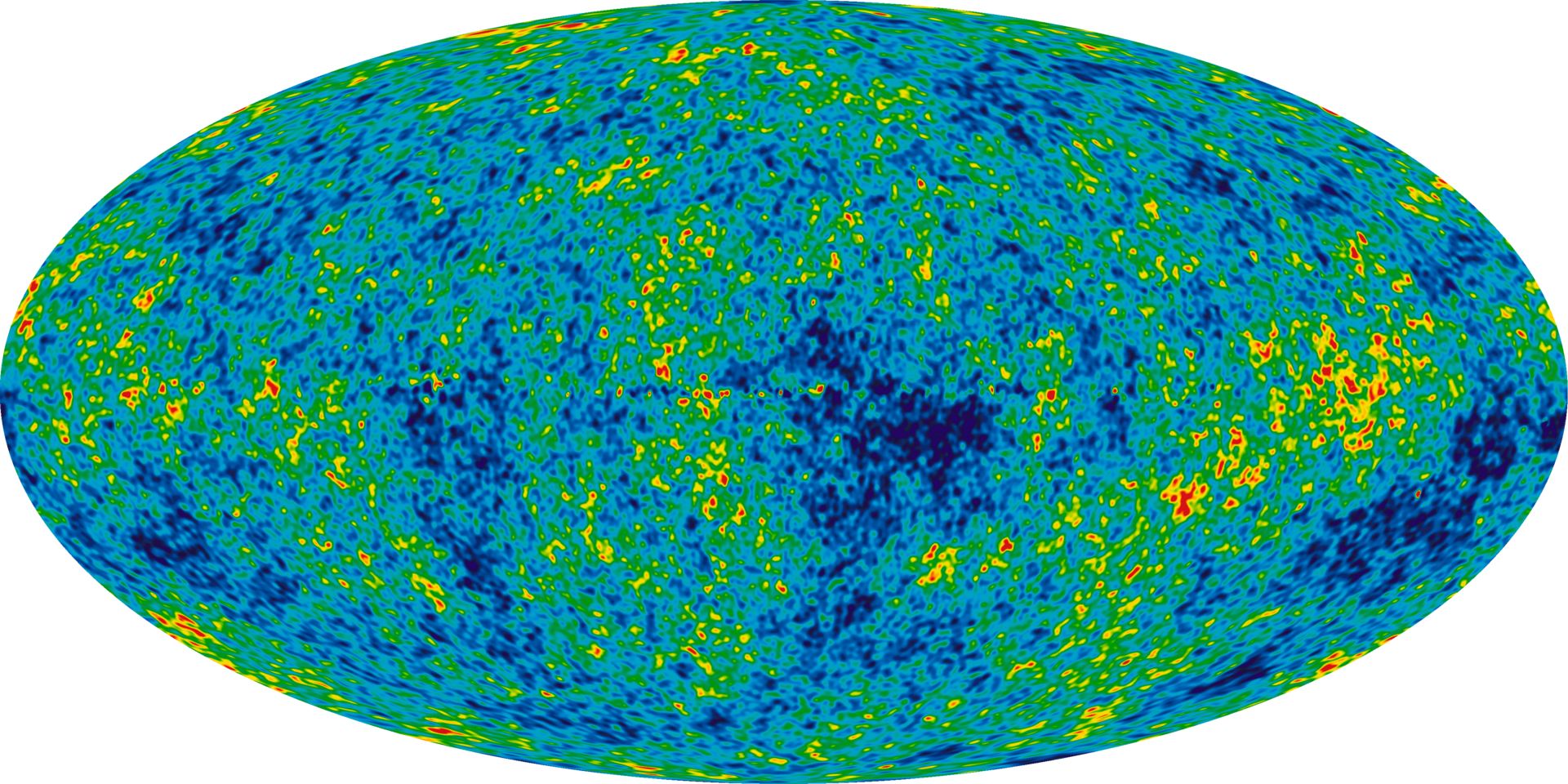
Supporters point to one tempting benefit. Our universe seems strangely well suited to life, with physical constants finely balanced to allow stars, atoms, and chemistry. If there are countless universes with different constants, then it is no surprise that we find ourselves in one of the rare life friendly ones, since we could not exist anywhere else.
Some physicists regard the multiverse as an almost unavoidable consequence of our best current theories. Others reject it precisely because it appears untestable, and worry that invoking unseen universes to explain our own weakens the discipline of science, explaining everything and therefore nothing.
With no way yet to settle the matter by experiment, the debate cuts to the heart of what science is. Is a multiverse a bold prediction of our deepest theories, or a step beyond the boundary of testable knowledge into philosophy? For now, the question remains deeply and openly contested.
