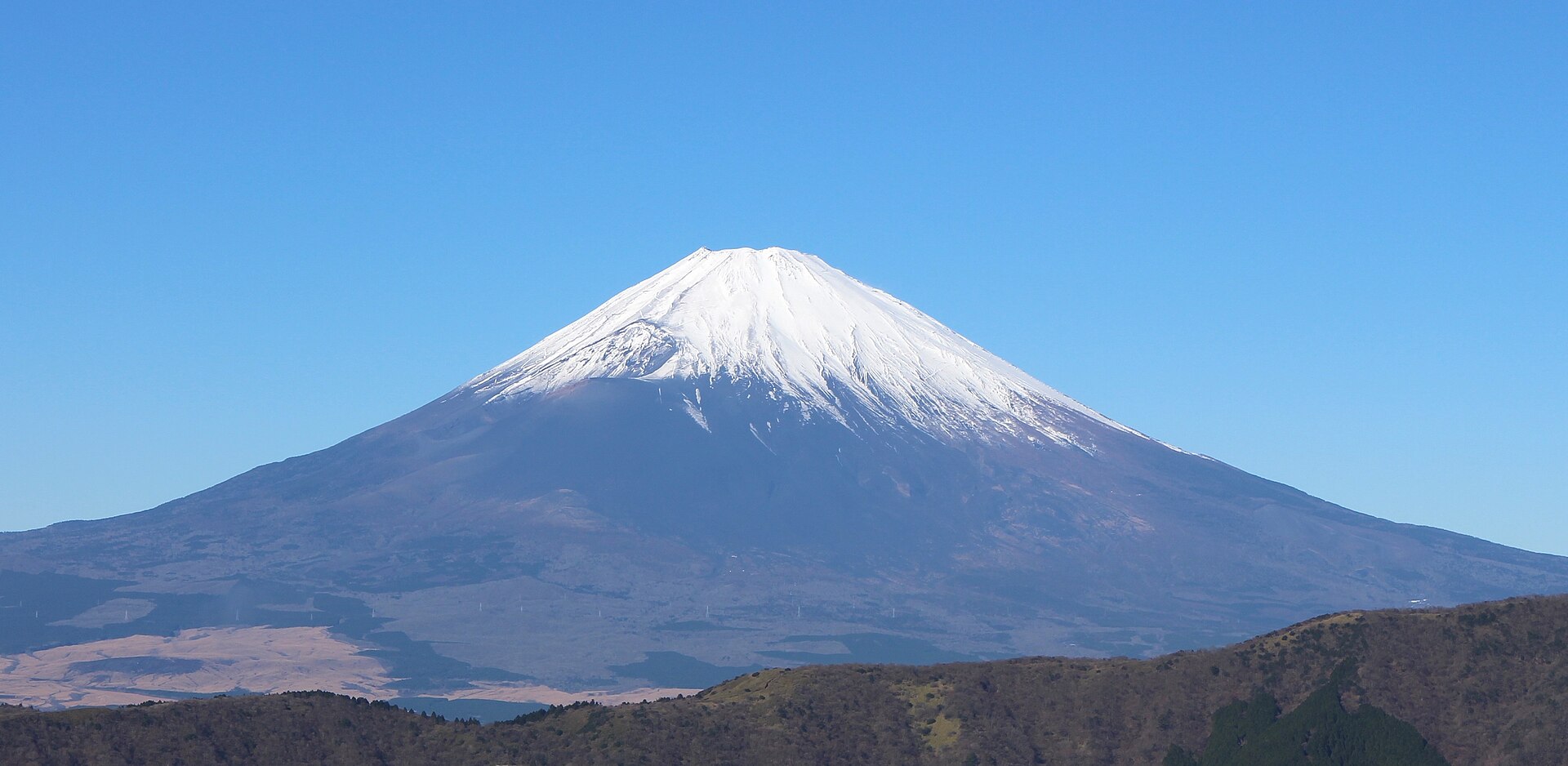
Mount Fuji is the highest mountain in Japan and one of the most beloved and recognisable mountains in the world. Rising 3,776 metres in a near-perfect, snow-capped cone, it stands alone on the landscape southwest of Tokyo, a symbol of Japan revered for its beauty and steeped in centuries of art and religion.
Fuji is an active stratovolcano, the classic steep-sided cone built up by many eruptions of ash and lava. It owes its symmetrical form to its youth: the present cone grew over the last ten thousand years atop older volcanoes, and its slopes have not yet been deeply carved by erosion.
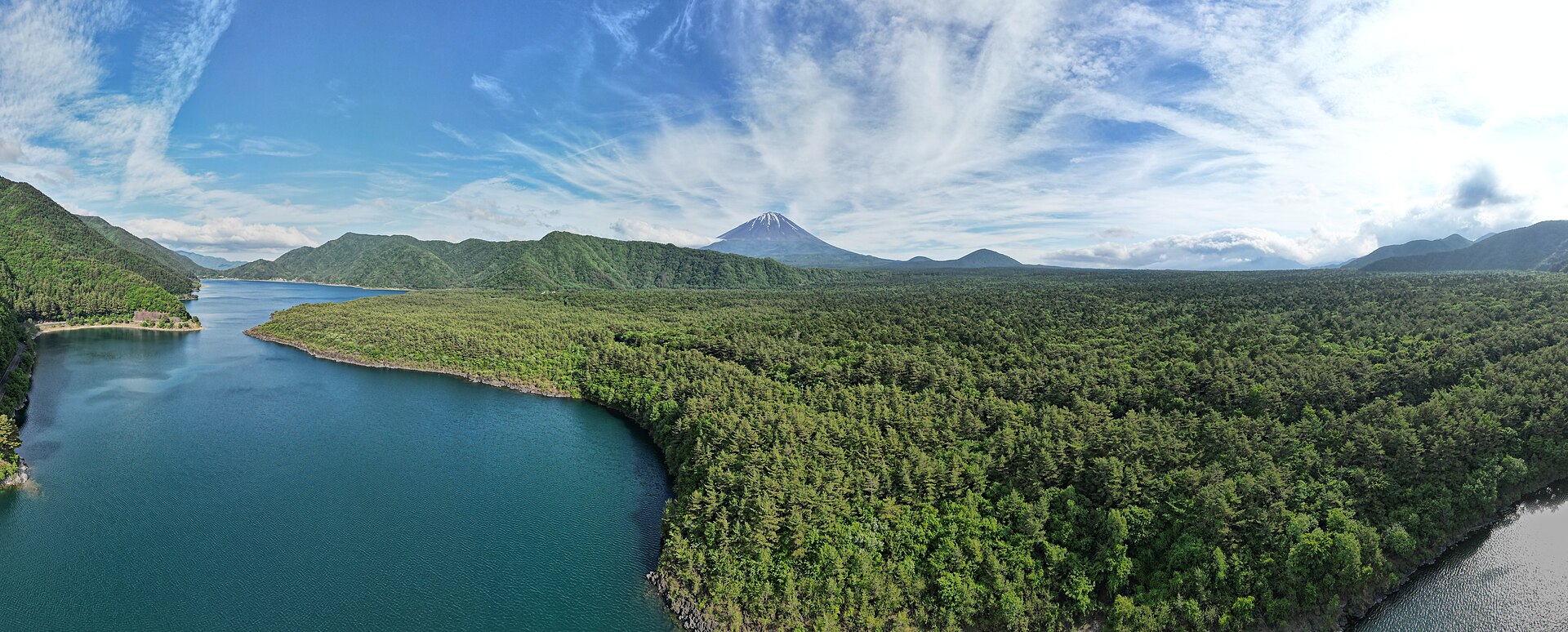
Fuji sits at a complex junction of three of the Earth's tectonic plates, which is why this part of Japan is so volcanically and seismically active. Fuji last erupted in 1707, scattering ash as far as the streets of what is now Tokyo, and although quiet ever since, it is still classed as an active volcano that is carefully monitored.
For much of Japanese history Fuji has been a sacred mountain, a place of pilgrimage and worship in both the Shinto and Buddhist traditions. Shrines stand at its foot and on its summit, and for centuries pilgrims have climbed it as a religious act.
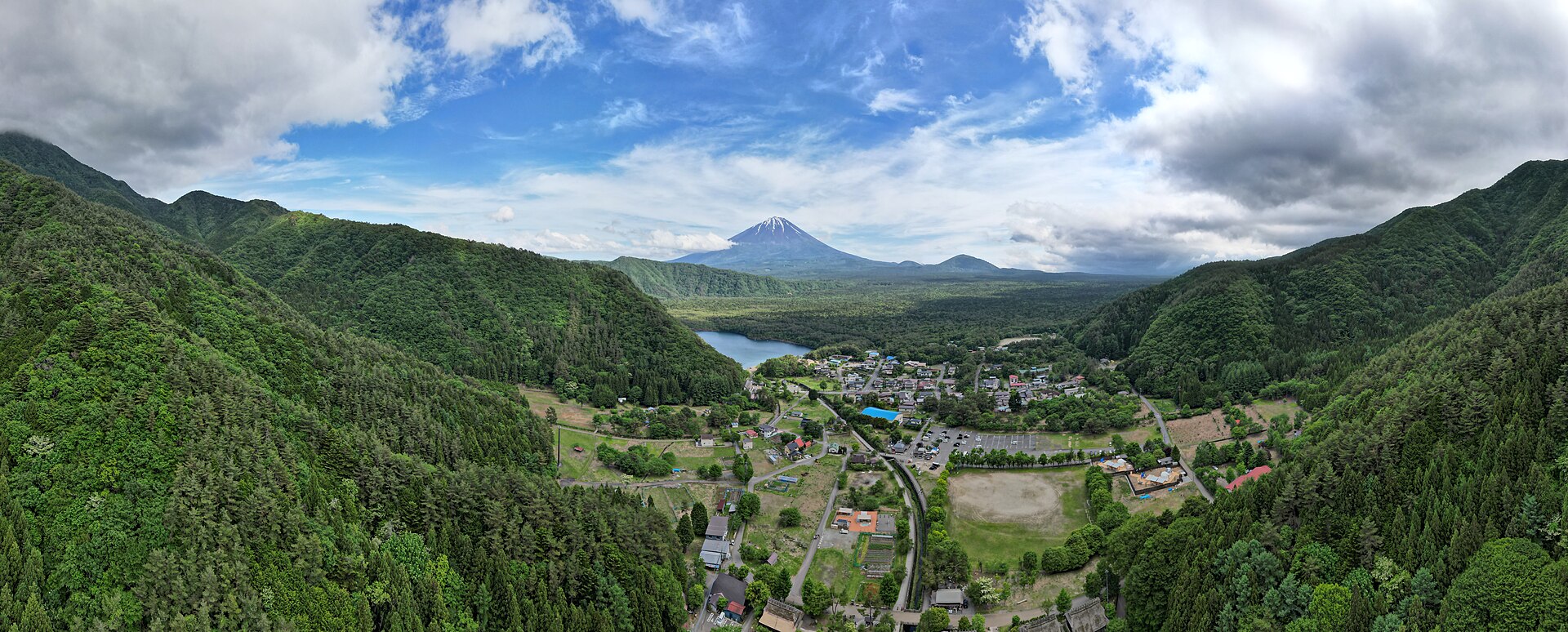
That spiritual significance, woven together with its natural beauty, led to Fuji being recognised as a UNESCO World Heritage Site, listed not as a natural wonder but as a cultural one, a "sacred place and source of artistic inspiration." The designation reflects how deeply the mountain is bound up with Japanese identity.
No mountain has been depicted more lovingly in art. Mount Fuji appears throughout Japanese painting, poetry, and woodblock prints, most famously in Katsushika Hokusai's series Thirty-six Views of Mount Fuji.
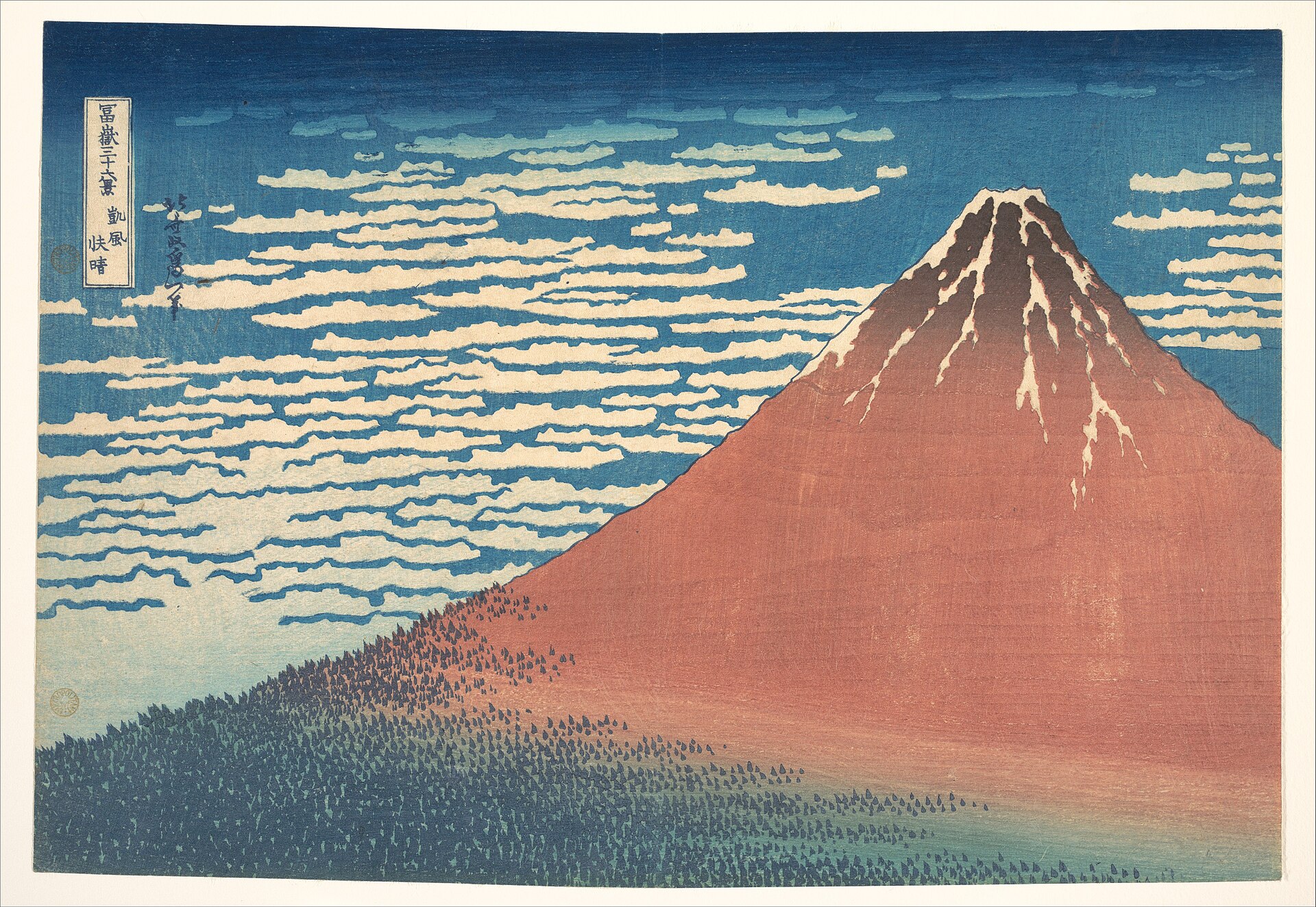
Hokusai's series, made in the 1830s, shows the mountain from many distances and angles, glimpsed beyond rooftops, fields, and waves. Its best-known image, the great wave with a tiny Fuji in the distance, is among the most reproduced artworks in the world, and through such prints the mountain became an emblem of Japan itself.
Today Fuji is a hugely popular mountain to climb, drawing hundreds of thousands of people each summer when the trails are open and free of snow. Many ascend through the night to watch the sunrise from the summit, a tradition known as goraiko, the "arrival of light." The crowds have brought challenges of safety and litter, prompting new measures to manage the flow of climbers and protect the mountain that means so much to so many.
