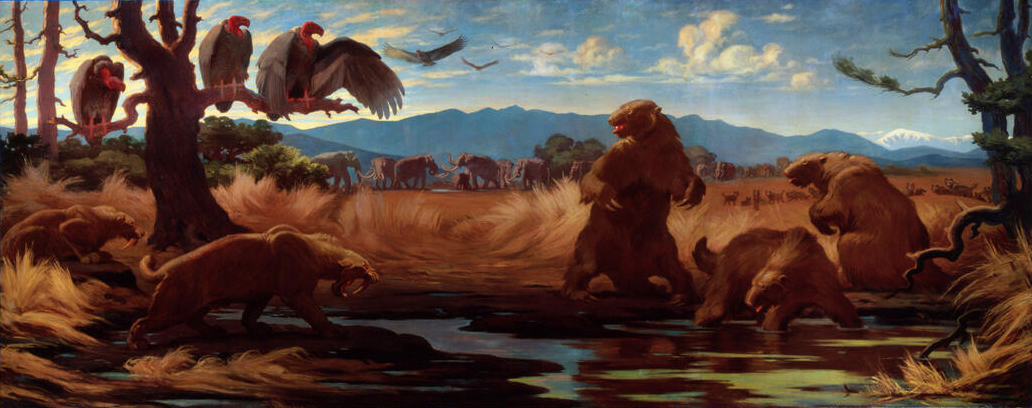
At the end of the last ice age, many of the world's largest animals, the megafauna, went extinct, from woolly mammoths to giant ground sloths. Whether humans, climate, or both were to blame is one of the most debated questions in the study of recent extinctions.
Until quite recently, in geological terms, the continents teemed with enormous beasts. There were mammoths and mastodons, saber toothed cats, giant ground sloths, car sized armadillos, and huge kangaroos. This was a world of giants, the megafauna, that survived through the long ice age only to vanish near its end.
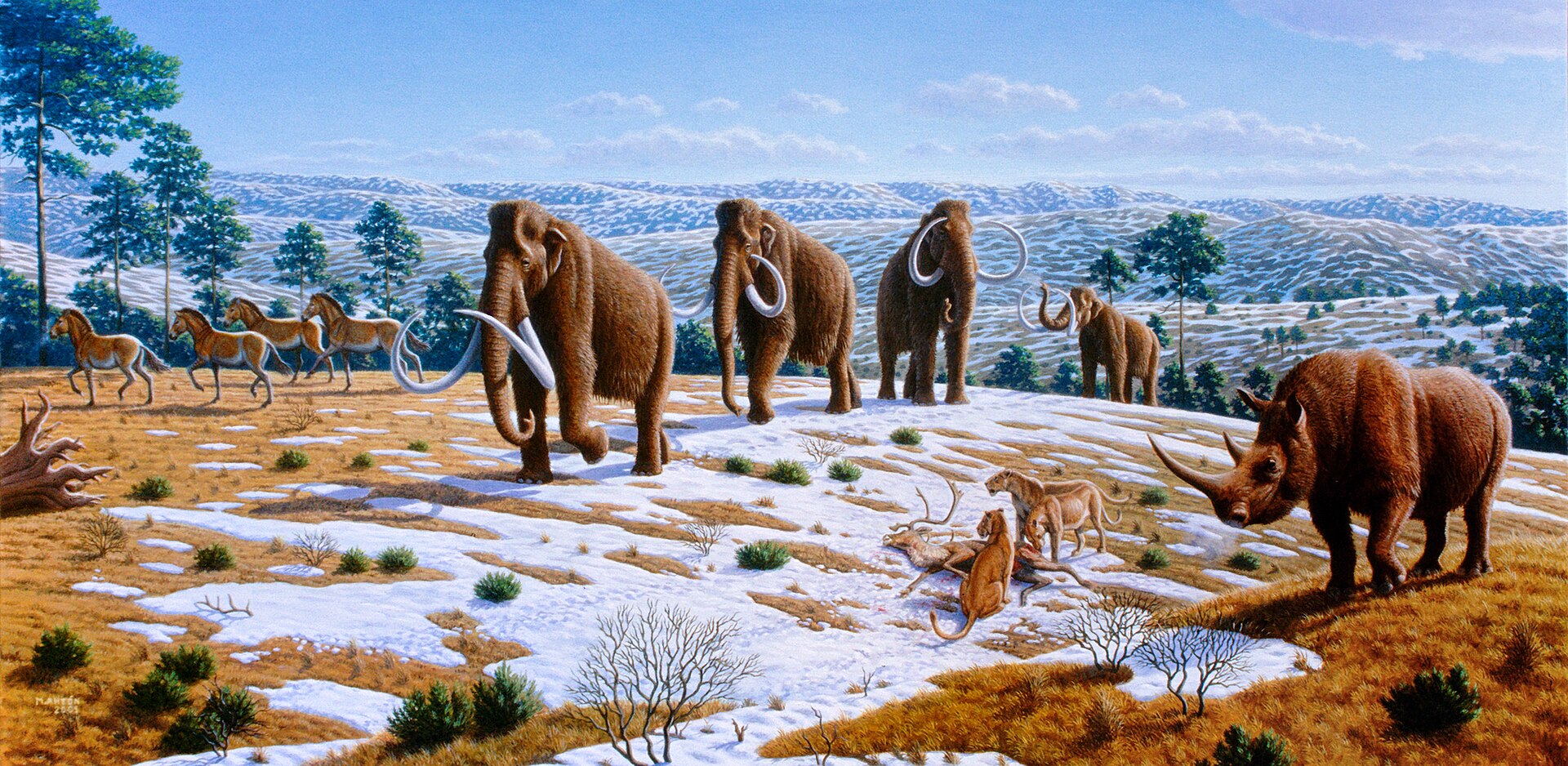
Over a relatively short span, roughly between 50,000 and 10,000 years ago, most of these great animals disappeared, especially in the Americas and Australia. Their loss was not random but fell heavily on the largest creatures, and it reshaped ecosystems that have never been the same since.
The extinctions struck the biggest animals hardest, and this pattern is itself a clue. Large animals breed slowly and have few young, making their populations fragile and slow to recover from any new pressure. Whatever the cause, the megafauna's very size and slow breeding left them especially vulnerable.
One leading explanation blames climate change. As the ice age ended, temperatures rose, ice sheets retreated, and habitats shifted dramatically. The great animals, adapted to ice age conditions, may have been unable to cope as their familiar environments transformed and the plants they depended on changed or disappeared.
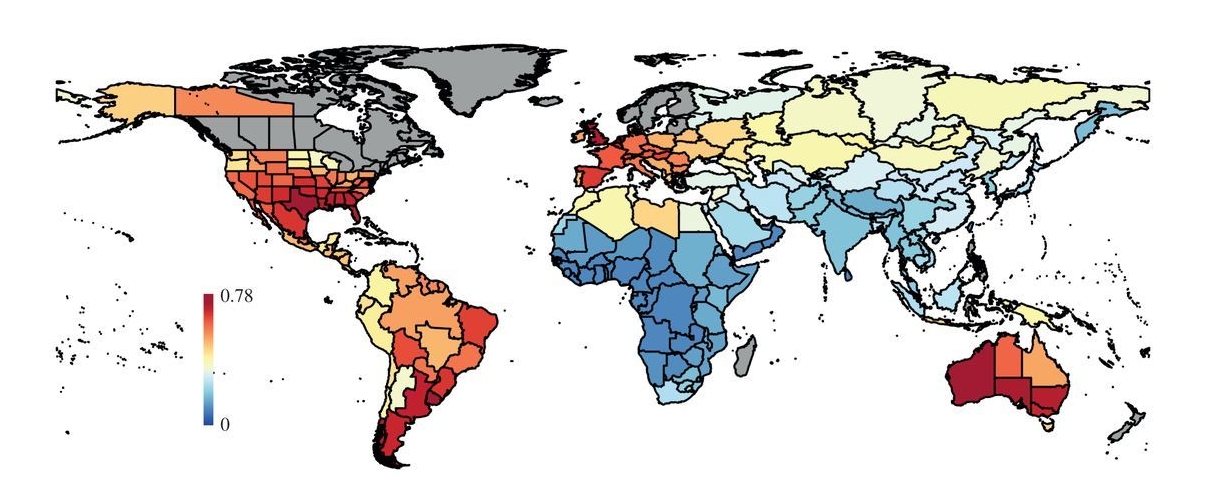
The other main explanation blames humans. People arrived in many of these regions around the time of the extinctions, and as skilled hunters they may have killed the slow breeding giants faster than they could reproduce, or disrupted their world through fire and the reshaping of landscapes.
The timing offers clues but no clean answer. In some places, extinctions closely followed the arrival of humans, suggesting hunting; in others, they track climate shifts more closely. Crucially, the pattern differs from continent to continent, which is part of what makes a single, universal explanation so hard to defend.
Because the two causes are so hard to disentangle, and because humans and climate change often arrived together, most researchers now suspect a combination. Perhaps climate change stressed the megafauna and human hunting delivered the final blow, the two pressures together proving more than the great animals could bear.
The relative weight of humans and climate remains hotly debated, and the answer seems to vary from place to place. The question matters beyond the past, for it speaks to how vulnerable large animals are to human pressure and a changing climate, lessons that echo in the conservation challenges of today.
