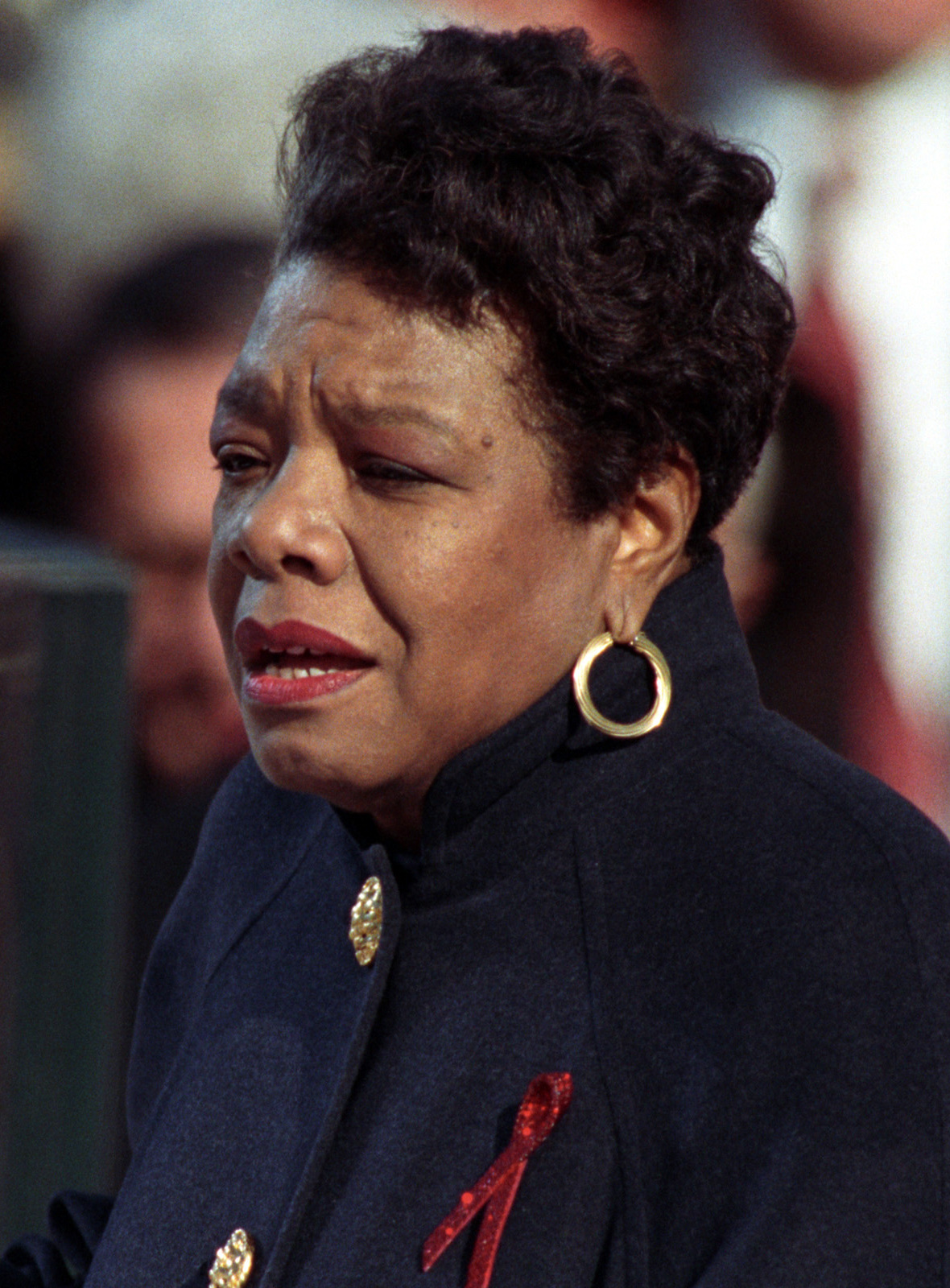
Maya Angelou (1928 to 2014) was an American poet, memoirist, and civil rights activist whose powerful writing about her life and struggles made her one of the most celebrated and beloved voices in American literature.
Angelou's childhood was marked by hardship, including the trauma of abuse and the deep racism of the segregated American South. These painful early experiences, faced and survived, became the raw material of her most famous writing, which she would later transform into art of remarkable honesty and grace.
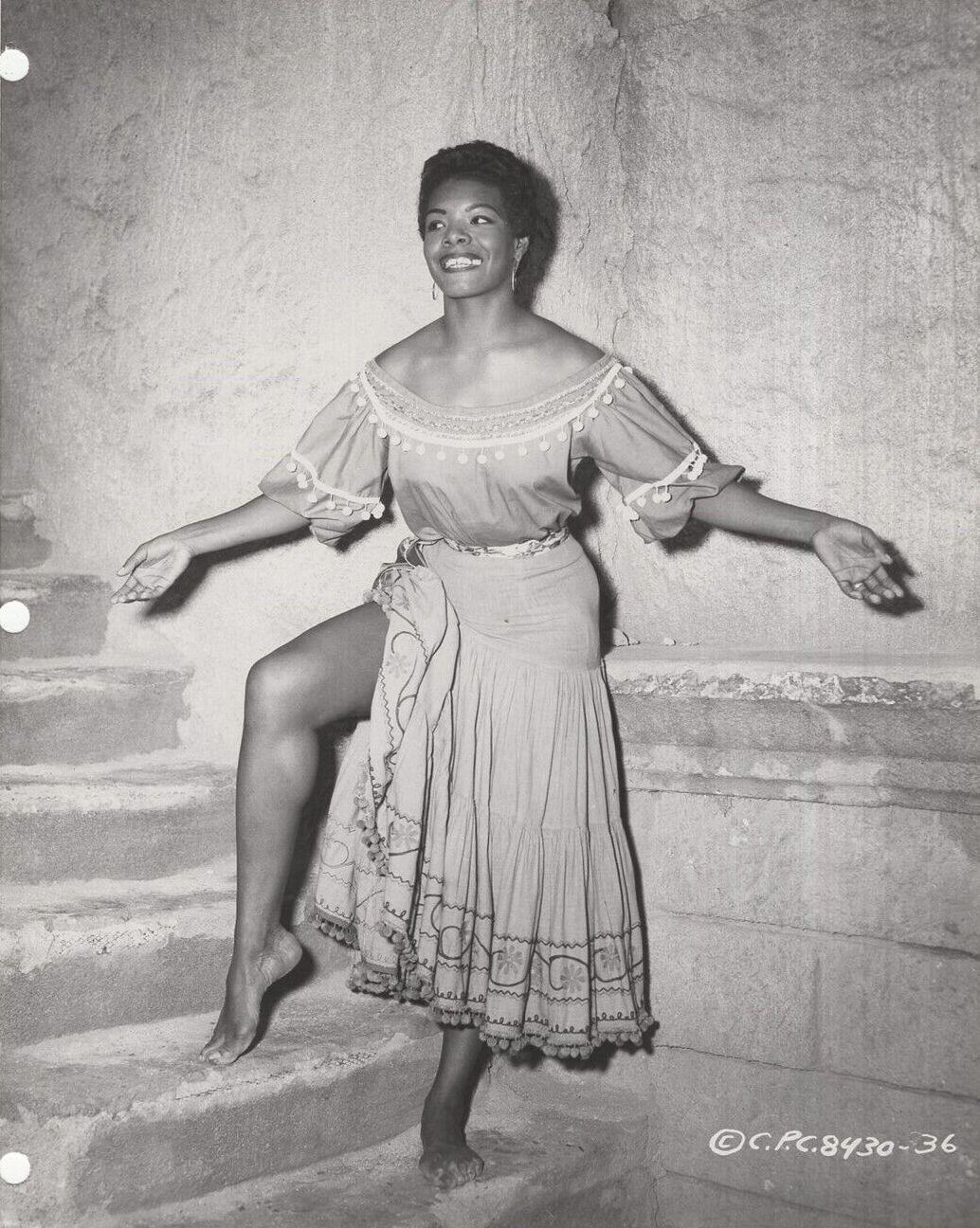
Before and during her writing career, Angelou lived an extraordinarily varied life, working as a dancer, singer, actress, journalist, and activist. This breadth of experience, across continents and professions, enriched her perspective and gave her writing its wisdom, range, and depth of human understanding.
Angelou's masterpiece, the 1969 memoir I Know Why the Caged Bird Sings, told the story of her difficult early life with honesty, courage, and lyrical beauty. It became a landmark of American writing, breaking new ground in how a Black woman's life could be portrayed, and it is read in schools around the world.
Angelou's poetry, rich with rhythm, music, and defiance, gave voice to dignity in the face of oppression. Her famous poem Still I Rise, with its proud refusal to be beaten down, became an anthem of resilience, and her verse spoke powerfully to anyone who had ever struggled against injustice.
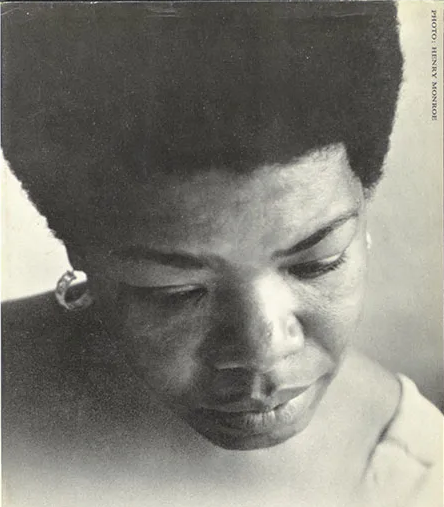
Angelou was active in the civil rights movement, working alongside leaders such as Martin Luther King Jr. and Malcolm X. She combined her art with activism, lending her talents to the cause of equality and bearing witness, in her life and work, to the struggles of her time.
In 1993 Angelou recited a poem at the inauguration of President Bill Clinton, a rare honour that brought her words to a vast national audience. Her commanding presence and resonant voice made her one of the most recognized literary figures in America, sought after to mark great occasions.
Over her long career, Angelou received dozens of honours, including the Presidential Medal of Freedom, the nation's highest civilian award, and became a revered public figure admired for her wisdom, dignity, and generosity of spirit. She was a teacher and an inspiration to many beyond the world of letters.
Angelou's writing gave voice to experiences long overlooked and inspired generations to speak their own truth. She is remembered as a towering figure in American literature and a powerful advocate for justice and human dignity, whose words continue to comfort, challenge, and uplift readers around the world.
