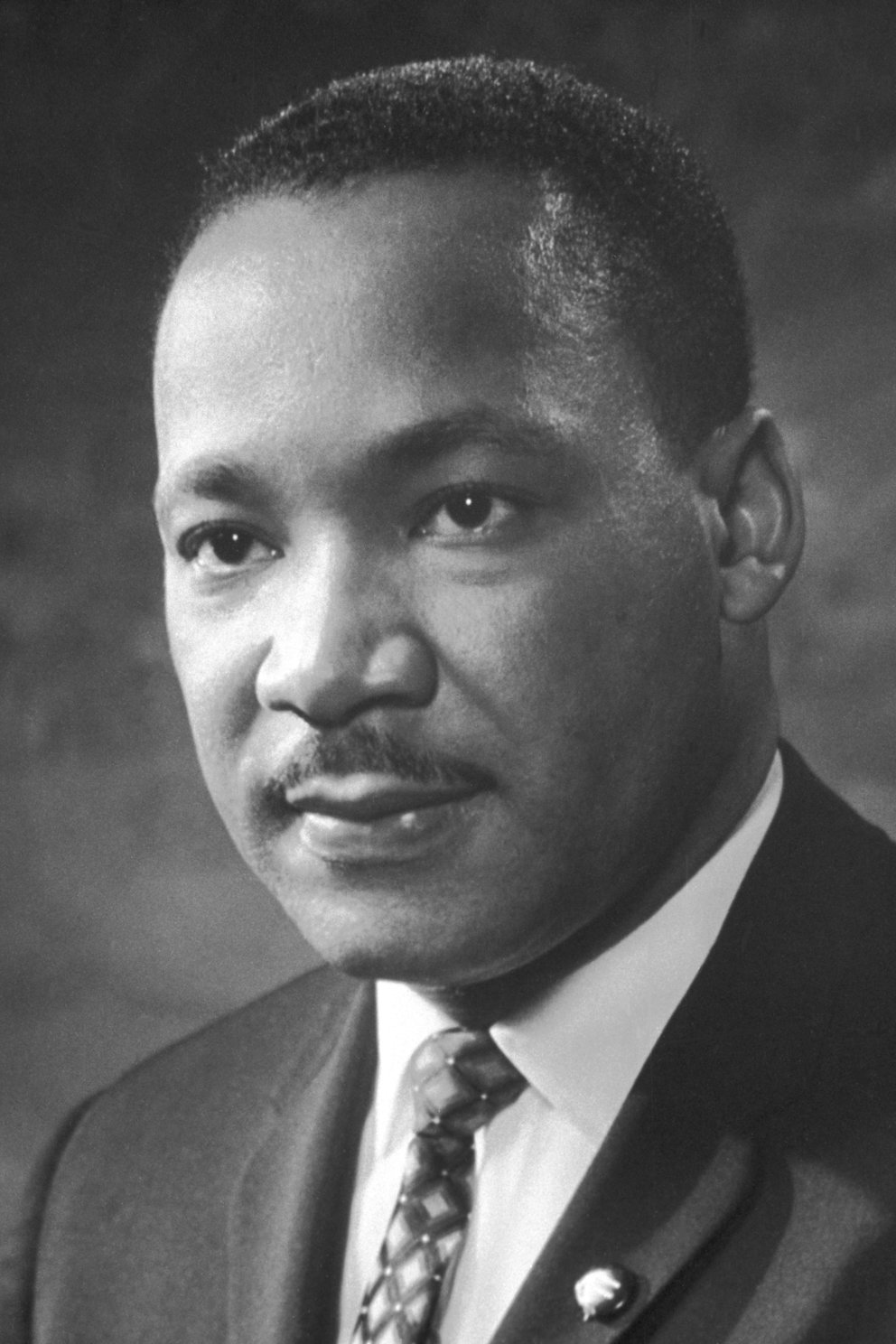
Martin Luther King Jr. (1929 to 1968) was an American Baptist minister and the most prominent leader of the civil rights movement, which fought to end racial segregation and injustice in the United States through nonviolent protest.
King was born in Atlanta into a family of Baptist ministers, and the church shaped him profoundly. A gifted student, he excelled in his studies and became a minister himself, combining deep religious conviction with a powerful intellect and an extraordinary gift for stirring, eloquent speech.

King rose to national attention in the 1950s, leading a boycott of segregated buses in Montgomery, Alabama, after Rosa Parks was arrested for refusing to give up her seat. The yearlong boycott, sustained at great hardship, ended in victory when the courts ruled bus segregation unconstitutional.
Drawing on his Christian faith and on the example of Gandhi, King committed the movement to nonviolent resistance. He believed that meeting hatred with love, and injustice with peaceful but determined defiance, was both morally right and the most powerful way to win lasting change and the conscience of the nation.
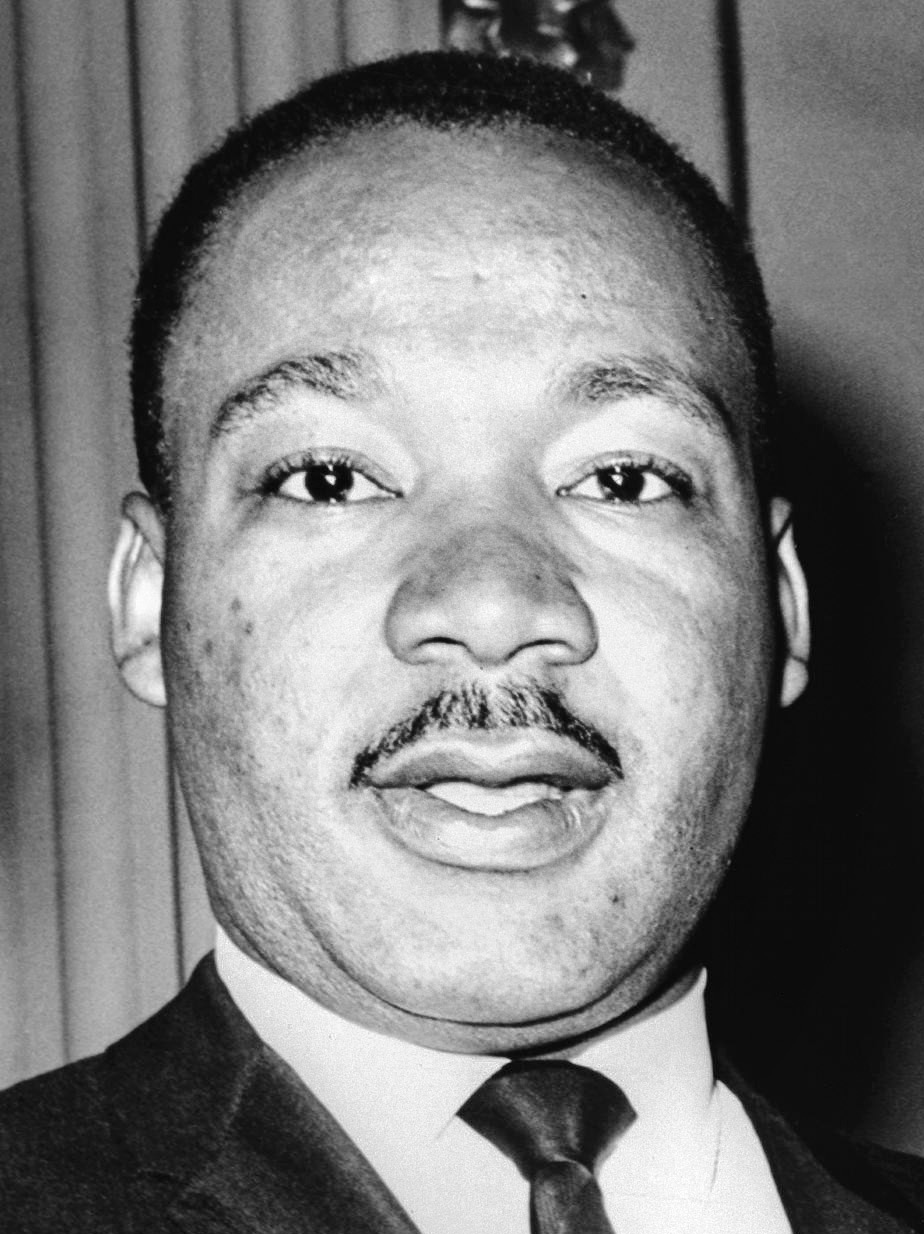
King led marches, boycotts, and peaceful protests across the American South, often facing violence, arrest, and imprisonment. He and his fellow activists endured beatings, jailings, and threats, their dignity and discipline in the face of brutality drawing the sympathy of the nation and the world.
In 1963, at the great March on Washington, King delivered his most famous speech, "I Have a Dream," before a vast crowd at the Lincoln Memorial. In soaring words he envisioned a nation where people would be judged not by the colour of their skin but by the content of their character.
The movement King helped lead bore fruit in landmark laws: the Civil Rights Act, banning segregation and discrimination, and the Voting Rights Act, protecting the right of Black Americans to vote. These were historic victories, dismantling the legal framework of segregation that had stood for generations.
In 1964 King received the Nobel Peace Prize for his nonviolent struggle against racial injustice, becoming one of the youngest ever to be so honoured. His leadership had made him a figure of global stature and the moral voice of a movement that inspired people far beyond America.
In his final years King broadened his work beyond segregation, taking on poverty and economic injustice and speaking out against the Vietnam War, stances that drew new criticism. He came to see the struggle for civil rights as part of a larger fight for human dignity and justice for all.
In 1968 King was assassinated in Memphis at the age of thirty nine, a loss mourned around the world. His message of justice, equality, and nonviolence endures, and he is honoured each year in the United States with a national holiday, remembered as one of the great moral leaders of the modern age.
