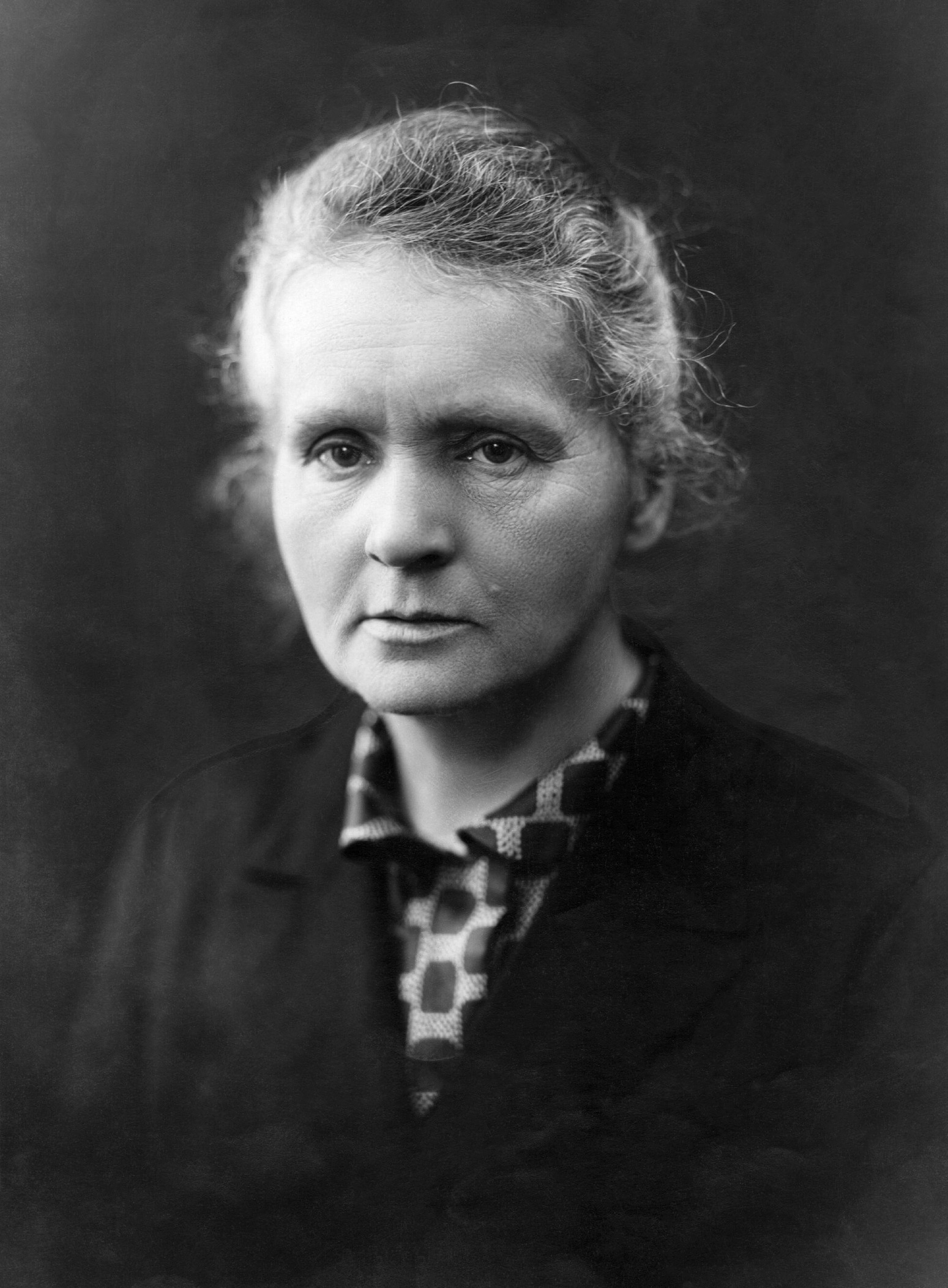
Marie Curie was a Polish born physicist and chemist who conducted pioneering research on radioactivity, a term she coined. Born Maria Skłodowska in Warsaw in 1867, she became one of the most celebrated scientists in history and a symbol of perseverance against great odds.
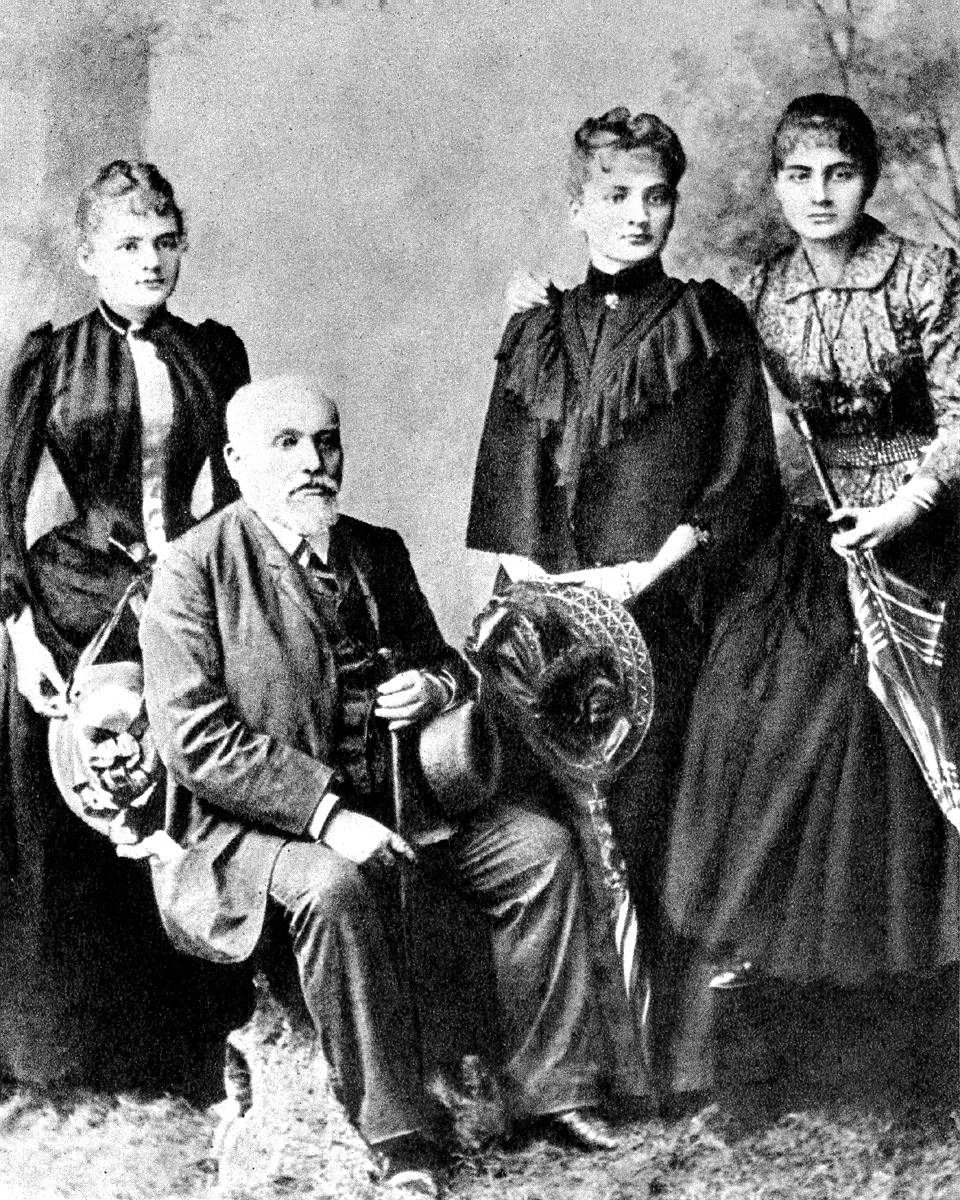
Maria was the youngest of five children in a family of teachers in Russian controlled Warsaw. Her father taught mathematics and physics, and she grew up amid scientific instruments and a fierce respect for learning, even as the family lost money and suffered the early deaths of her mother and a sister.
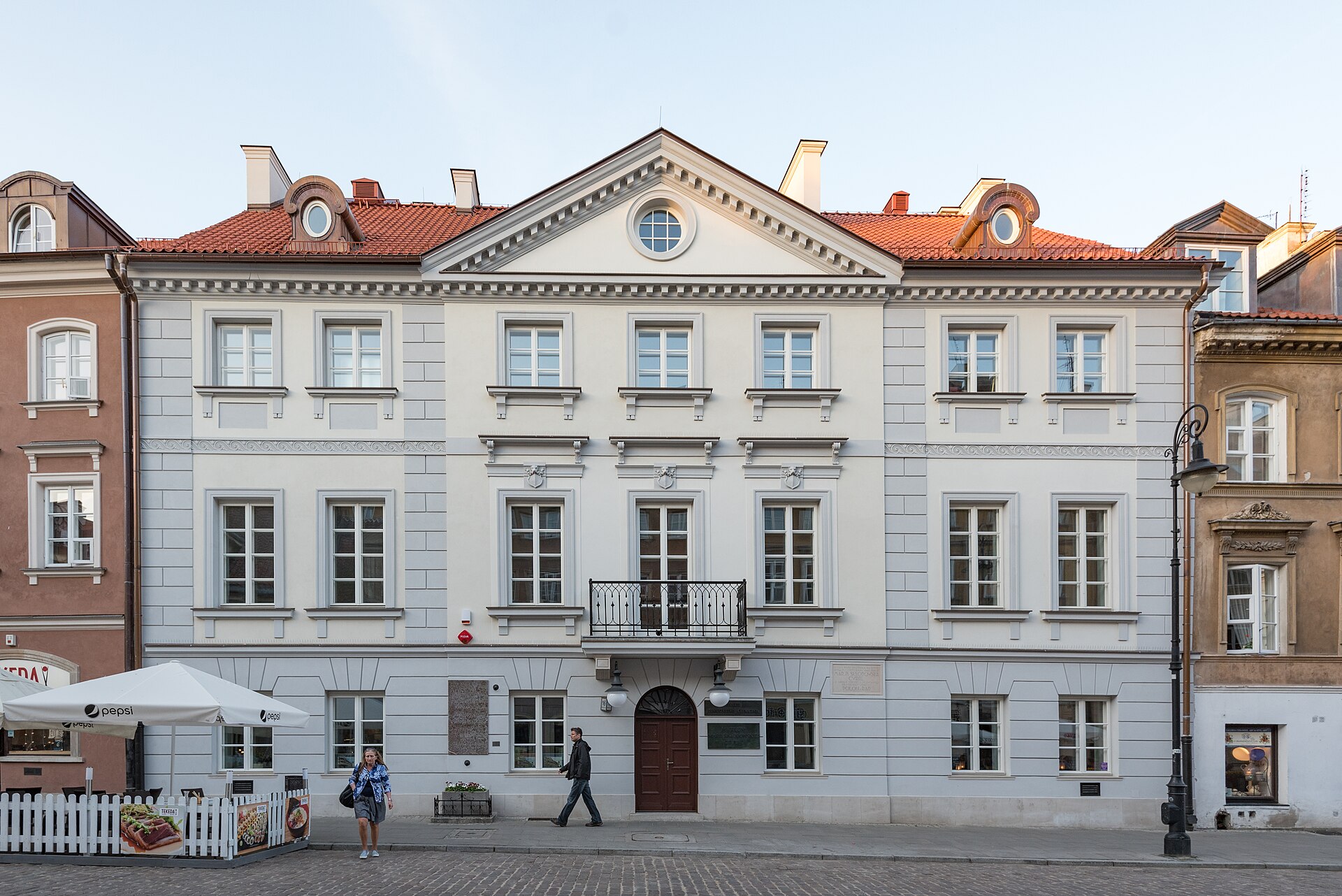
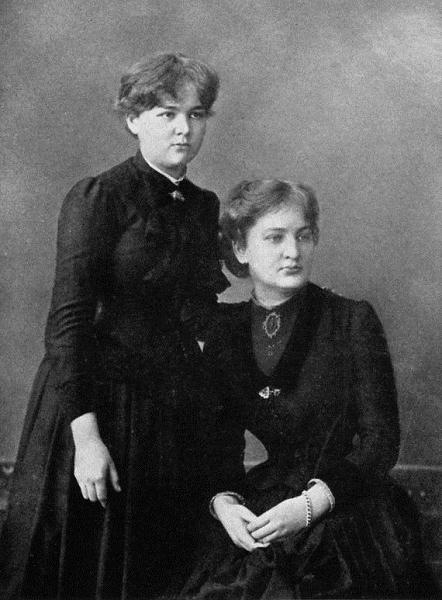
Barred as a woman from higher education in partitioned Poland, Maria studied in secret at a clandestine "flying university" and made a pact with her elder sister Bronisława: each would work to fund the other's studies in turn.
Maria spent years as a governess, sending money to support her sister in Paris, before finally going there herself to study at the Sorbonne, living in a cold attic in near poverty while she earned degrees in physics and mathematics, often at the top of her class.
In Paris she met and married the physicist Pierre Curie, and the two became devoted scientific partners, sharing both a laboratory and a life. Their collaboration would become one of the most famous in the history of science.
Working with painstaking effort in a converted shed, processing tons of mineral ore by hand, the Curies discovered the radioactive elements polonium, which Marie named after her homeland, and radium. Their research opened an entirely new field of physics.
Curie was the first woman to win a Nobel Prize, sharing the 1903 Physics prize, and she remains the only person ever to win Nobel Prizes in two different sciences, adding the 1911 Chemistry prize on her own.
After Pierre's sudden death in a street accident in 1906, Marie took over his professorship, becoming the first woman to teach at the Sorbonne. During the First World War she developed mobile radiography units, nicknamed "little Curies," to help treat wounded soldiers near the front.
Curie died in 1934 of an illness caused by her long exposure to radiation, the very phenomenon she had helped the world understand. Her notebooks remain so radioactive that they are still stored in protective cases. She is remembered not only for her discoveries but as a trailblazer for women in science.
