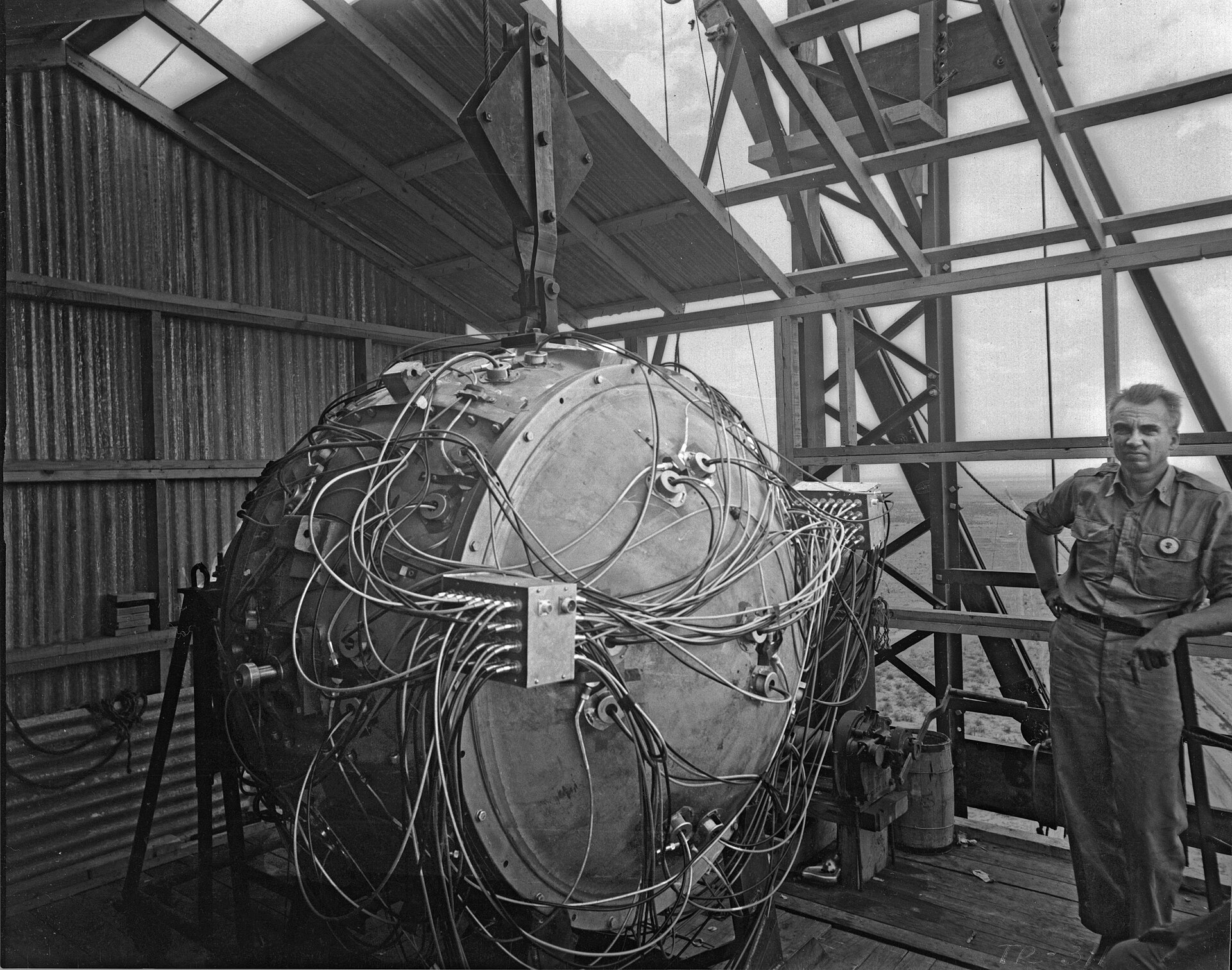
The Manhattan Project was a secret American research effort during World War II that produced the first atomic bombs. A vast scientific and industrial undertaking, it ushered in the nuclear age and changed warfare and the world forever.
The project was born of fear that Nazi Germany might build an atomic weapon first. Alerted by scientists, including a famous letter signed by Albert Einstein, the United States launched a massive secret programme in 1942 to develop the bomb before its enemies could, a race with the highest possible stakes.
The bomb's terrifying power rested on the new physics of nuclear fission, the splitting of atomic nuclei, which releases enormous energy. Scientists had recently discovered that splitting certain heavy atoms could set off a chain reaction, releasing a vast burst of energy, the principle on which the atomic bomb would be built.
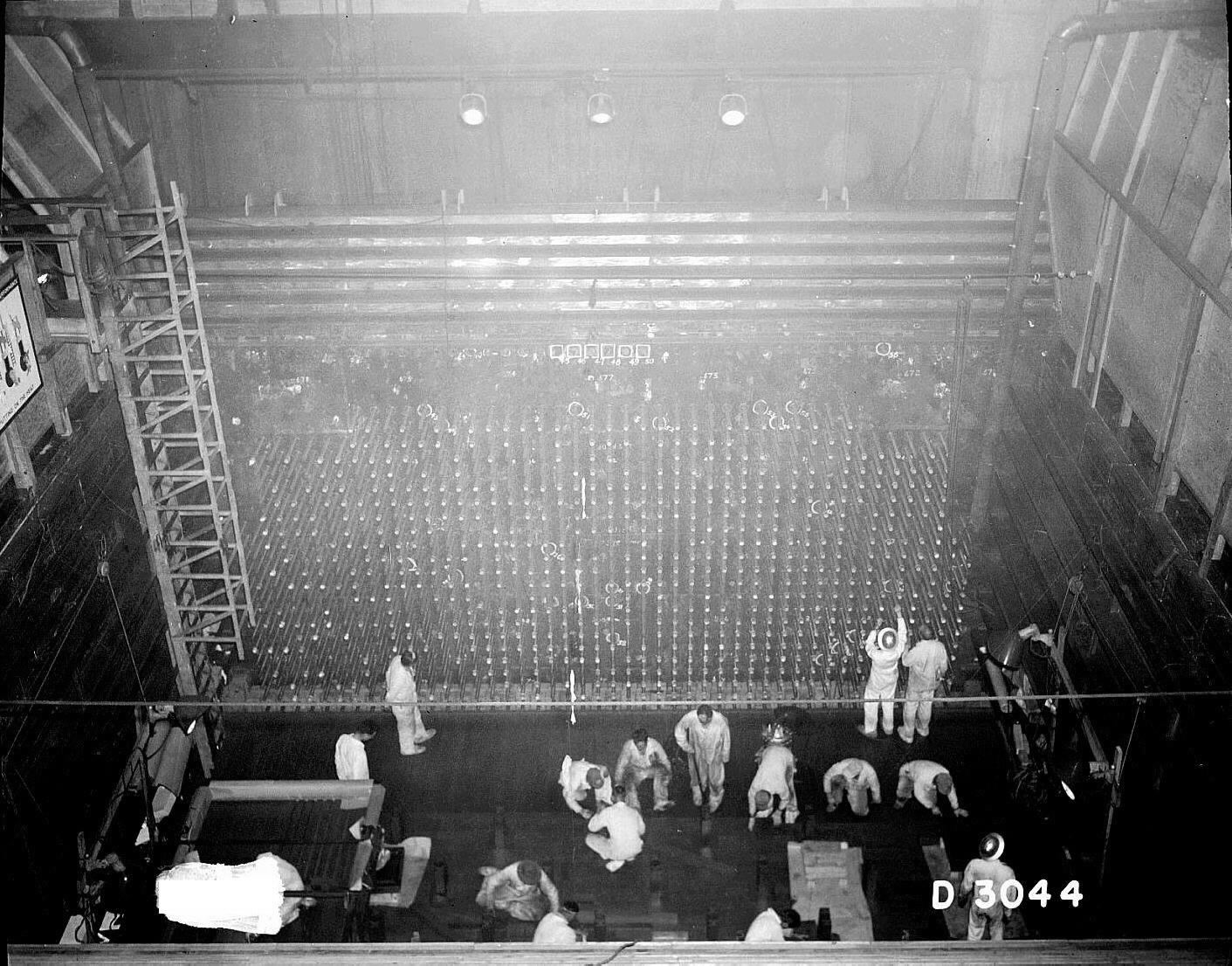
The project gathered many of the world's leading scientists, under the scientific direction of the physicist J. Robert Oppenheimer, at a secret laboratory at Los Alamos in the New Mexico desert. There, an extraordinary concentration of talent worked feverishly to turn the theory of fission into a working weapon.
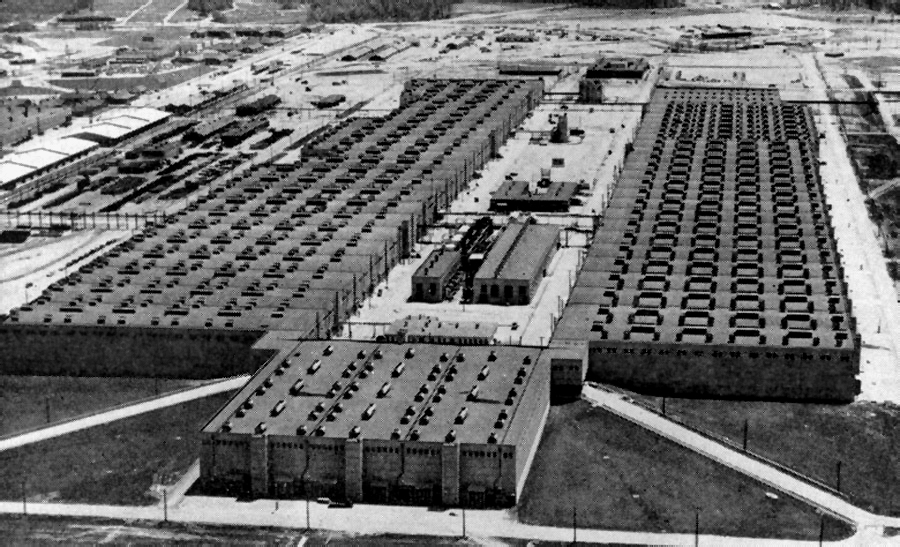
The project was astonishing in scale, employing more than a hundred thousand people at hidden sites across the country. Vast secret cities and enormous factories were built to produce the rare materials, enriched uranium and plutonium, that the bombs required, a feat of industry as great as the feat of science.
The project was wrapped in extraordinary secrecy. Most of the hundred thousand workers had no idea what they were building, performing their tasks without knowing the larger purpose. Even much of the government was kept in the dark, and the existence of the bomb was one of the best kept secrets of the war.
In July 1945, the first nuclear device was detonated in the New Mexico desert in a test code named Trinity. The blinding flash and towering mushroom cloud confirmed that the bomb worked, and that humanity had unleashed a force of unprecedented destructive power. Witnessing it, Oppenheimer recalled words about becoming the destroyer of worlds.
In August 1945, atomic bombs were dropped on the Japanese cities of Hiroshima and Nagasaki, killing well over a hundred thousand people, many of them civilians, and hastening the end of the war. The destruction was horrific, and it brought home to the world the terrible reality of the new weapon.
The Manhattan Project opened the nuclear age, bringing both the threat of catastrophic weapons and, later, the promise of nuclear energy. It raised profound moral questions, debated ever since, about the use of such weapons. Its legacy, and the dangers it unleashed, remain with us to this day.
