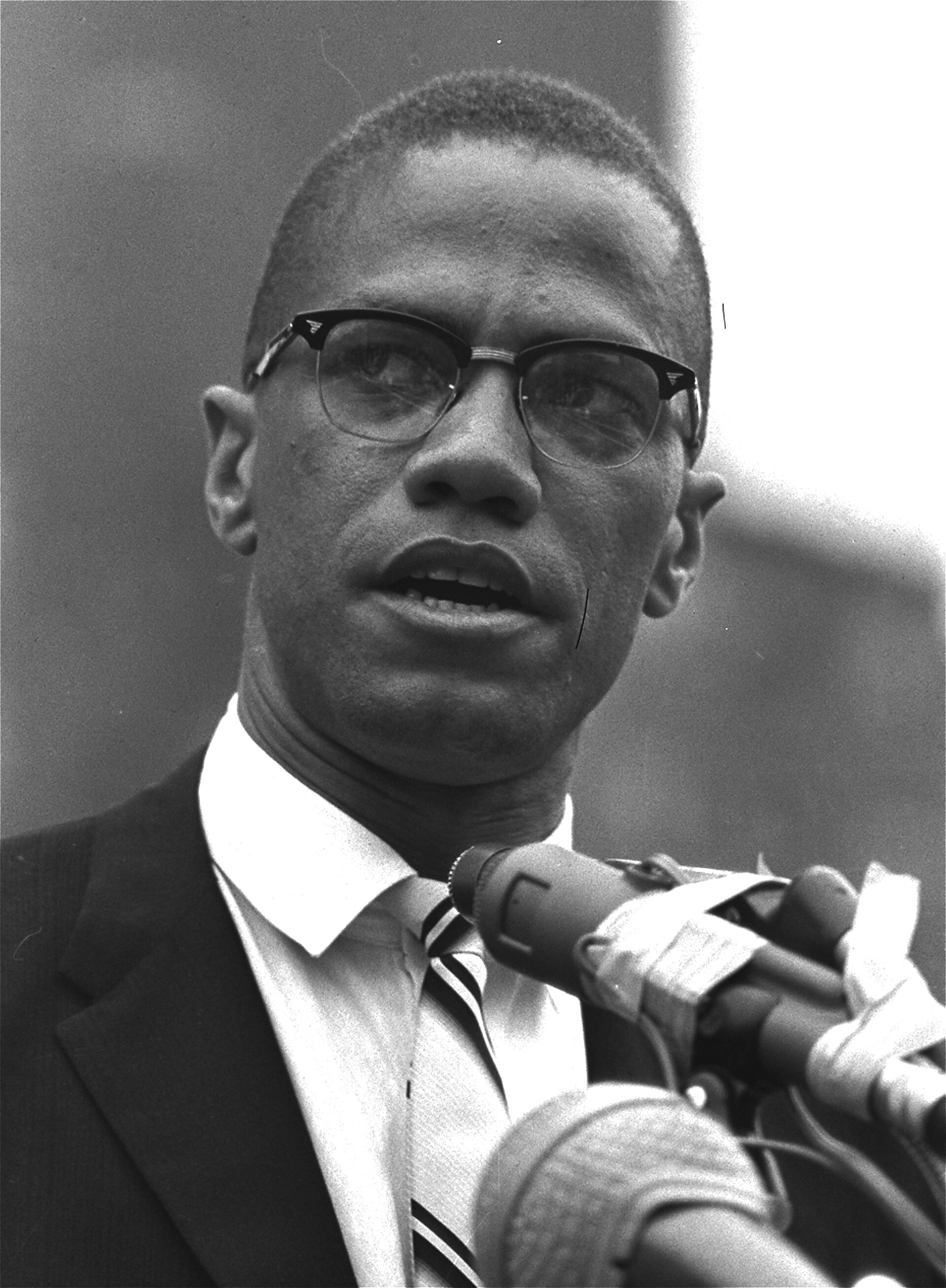
Malcolm X (1925 to 1965) was an American Muslim minister and human rights activist, one of the most influential and controversial figures of the civil rights era. A powerful and uncompromising voice, he championed Black pride, self reliance, and the right of Black Americans to defend themselves.
Born Malcolm Little, he endured a difficult and traumatic childhood. His family faced racist violence, his father died in suspicious circumstances, and his mother was institutionalized, scattering the children. As a young man he drifted into crime in the cities of the North and was sent to prison, a low point that would prove a turning point.
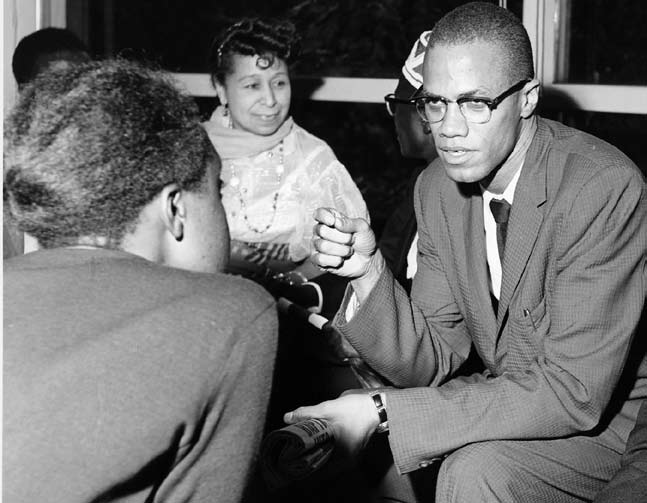
In prison, Malcolm transformed himself. He educated himself voraciously, reading widely, and embraced the Nation of Islam, a Black religious and political movement. He emerged a changed man, disciplined, articulate, and burning with purpose, having replaced his surname with "X" to reject the name handed down from slavery.
On his release, Malcolm became the Nation of Islam's most electrifying spokesman, drawing huge audiences with his sharp intelligence, fearless oratory, and uncompromising message. He built the movement rapidly and became a national figure, admired and feared, who spoke truths about American racism that many preferred not to hear.
Unlike leaders who preached nonviolence and integration, Malcolm X argued that Black Americans should achieve freedom and dignity "by any means necessary," including self defence, and he sharply criticized the slow pace of change and the limits of the mainstream civil rights approach. His message resonated deeply, especially among the young and the urban poor.
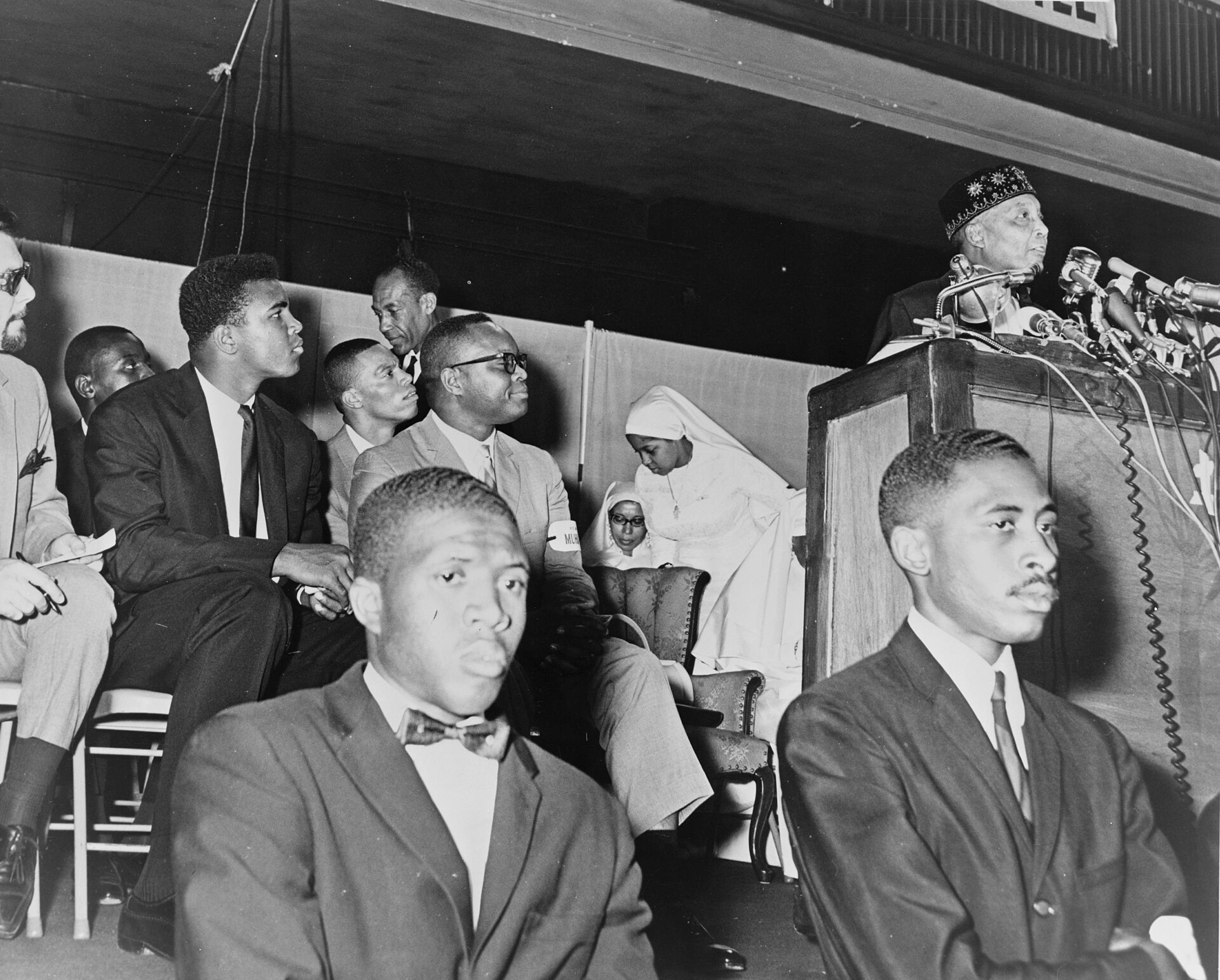
At the core of Malcolm X's message was a call for Black self respect, pride, and self reliance, urging Black Americans to take charge of their own communities and destinies rather than waiting for acceptance from a hostile society. This message of empowerment was deeply influential and reshaped how many thought about race and identity.
Malcolm eventually broke bitterly with the Nation of Islam, disillusioned with its leadership. In 1964 he made a pilgrimage to Mecca, where he saw Muslims of all races worshipping together. The experience broadened his views, and he began to speak of a more inclusive vision of human rights and the brotherhood of all people.
In February 1965, as he was developing this new, evolving outlook, Malcolm X was assassinated while giving a speech, gunned down at the age of thirty nine. His murder cut short a life that was still changing and growing, leaving the world to wonder where his journey might have led.
Malcolm X's autobiography, written with Alex Haley, became a classic, read by millions and introducing his life and ideas to generations. His thoughts on identity, justice, self determination, and Black pride continue to influence movements for equality and remain powerfully relevant, securing his place as one of the most important voices of his age.
