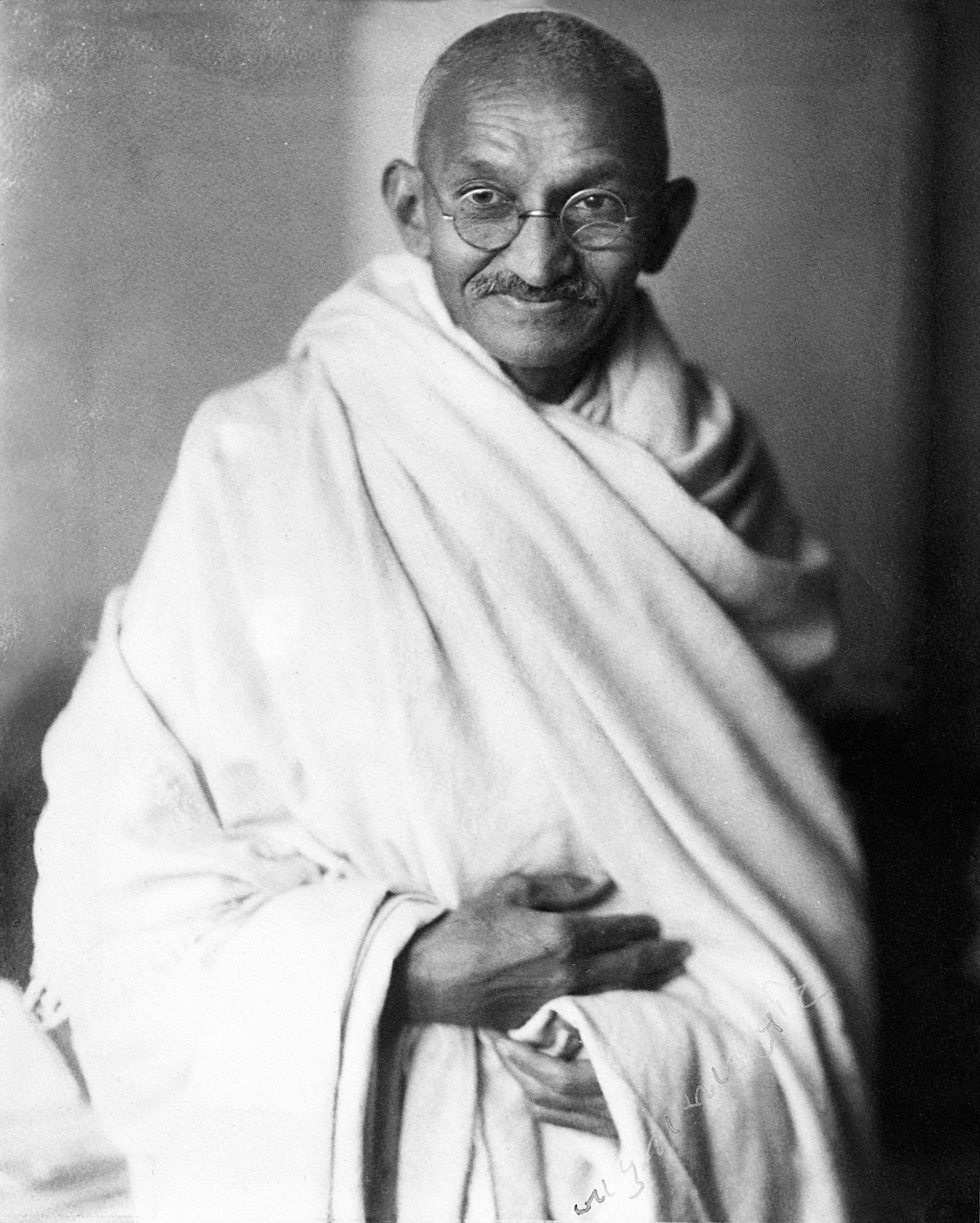
Mahatma Gandhi (1869 to 1948) was the leader of India's independence movement against British rule, famous for his philosophy of nonviolent resistance. His example inspired civil rights and freedom movements around the world.
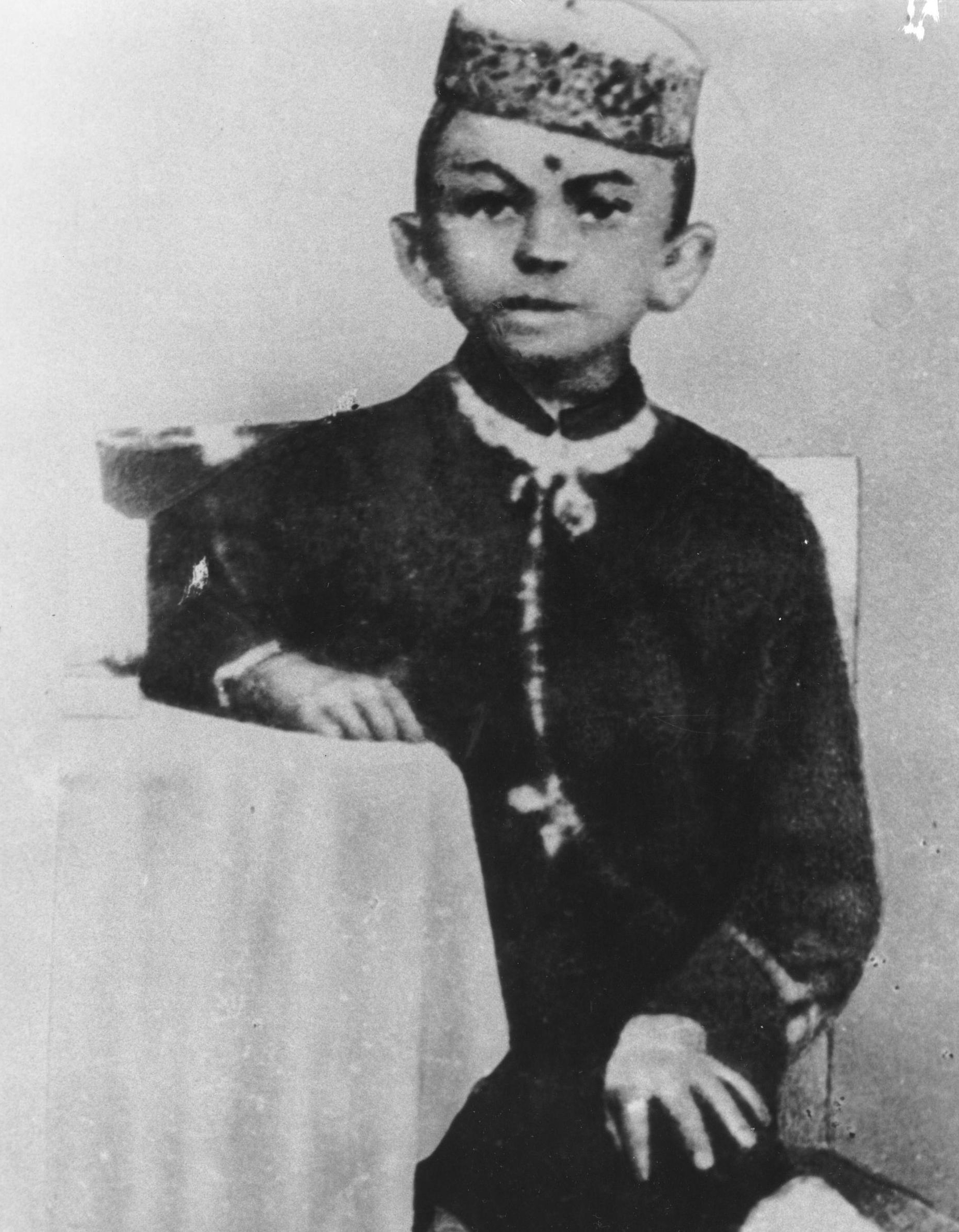
Gandhi was born into a modest, devout family in western India and was a shy, unremarkable child. He travelled to London to train as a lawyer, struggling at first with the unfamiliar world and his own timidity, giving little early sign of the towering moral leader he would become.
The turning point came in South Africa, where Gandhi spent over twenty years and first encountered the harsh racial discrimination faced by Indians there. Thrown off a train for the colour of his skin, he resolved to fight injustice, and there he developed his method of disciplined, nonviolent protest.
Gandhi called his approach satyagraha, meaning the force of truth or soul force. It was not passive but active resistance: openly and peacefully defying unjust laws, accepting the punishment without retaliation, and so exposing the injustice and appealing to the conscience of the oppressor. It was a moral as well as a political weapon.
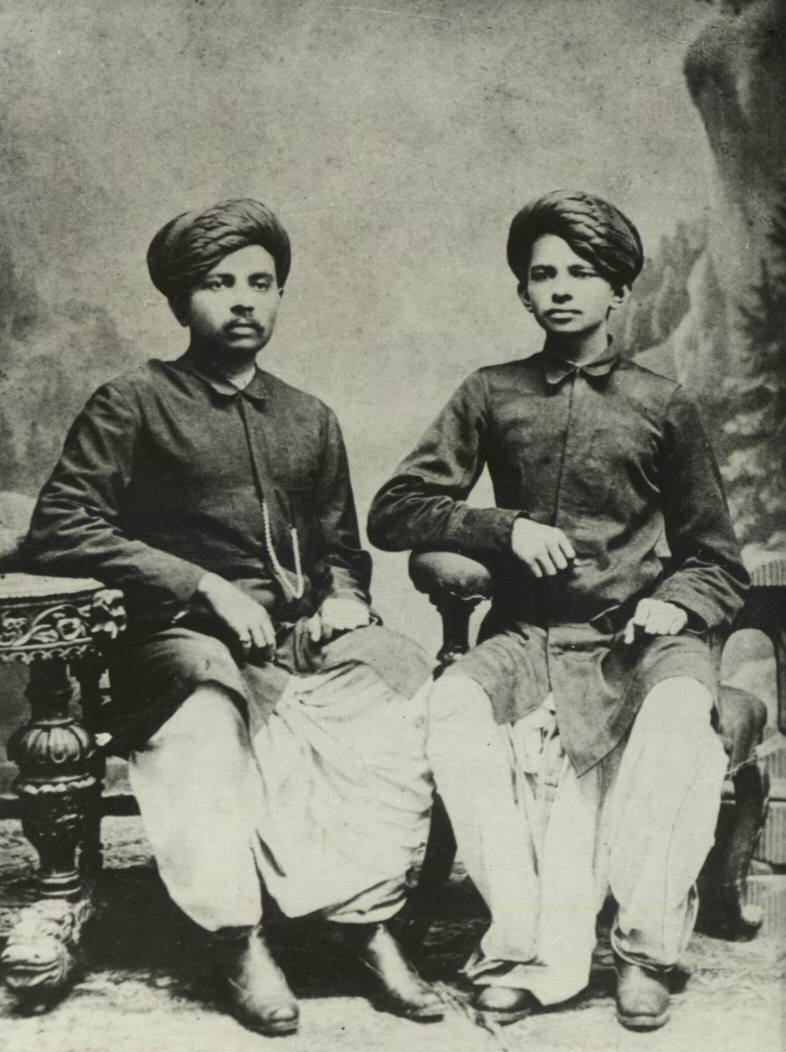
Returning to India, Gandhi became the central figure in the struggle for independence from British rule. He urged Indians to resist not through violence but through peaceful, disciplined defiance: boycotting British goods, refusing to cooperate, and spinning their own cloth as a symbol of self reliance.
In 1930 Gandhi led one of history's most famous protests, the Salt March, walking some 240 miles to the sea to make salt in defiance of the British monopoly and tax. The simple, symbolic act of gathering salt galvanized millions and drew the world's attention to India's cause.
Gandhi lived with deliberate simplicity, wearing homespun cloth, eating sparingly, and renouncing wealth, seeking to embody the values he preached. Imprisoned many times, he used fasting as a moral tool, putting his own body at risk to halt violence and to press for justice and reconciliation.
In 1947, India finally won its independence, a triumph for Gandhi's movement. But it came amid the painful partition of the land into India and Pakistan, which unleashed terrible violence between communities. This bloodshed grieved Gandhi deeply, and he worked desperately to calm it, fasting to stop the killing.
In 1948 Gandhi was assassinated by an extremist who opposed his message of tolerance. Known as the Mahatma, meaning "great soul," he became a global symbol of peaceful resistance. His ideas profoundly influenced later leaders such as Martin Luther King Jr. and Nelson Mandela, and his life still inspires movements for justice.
