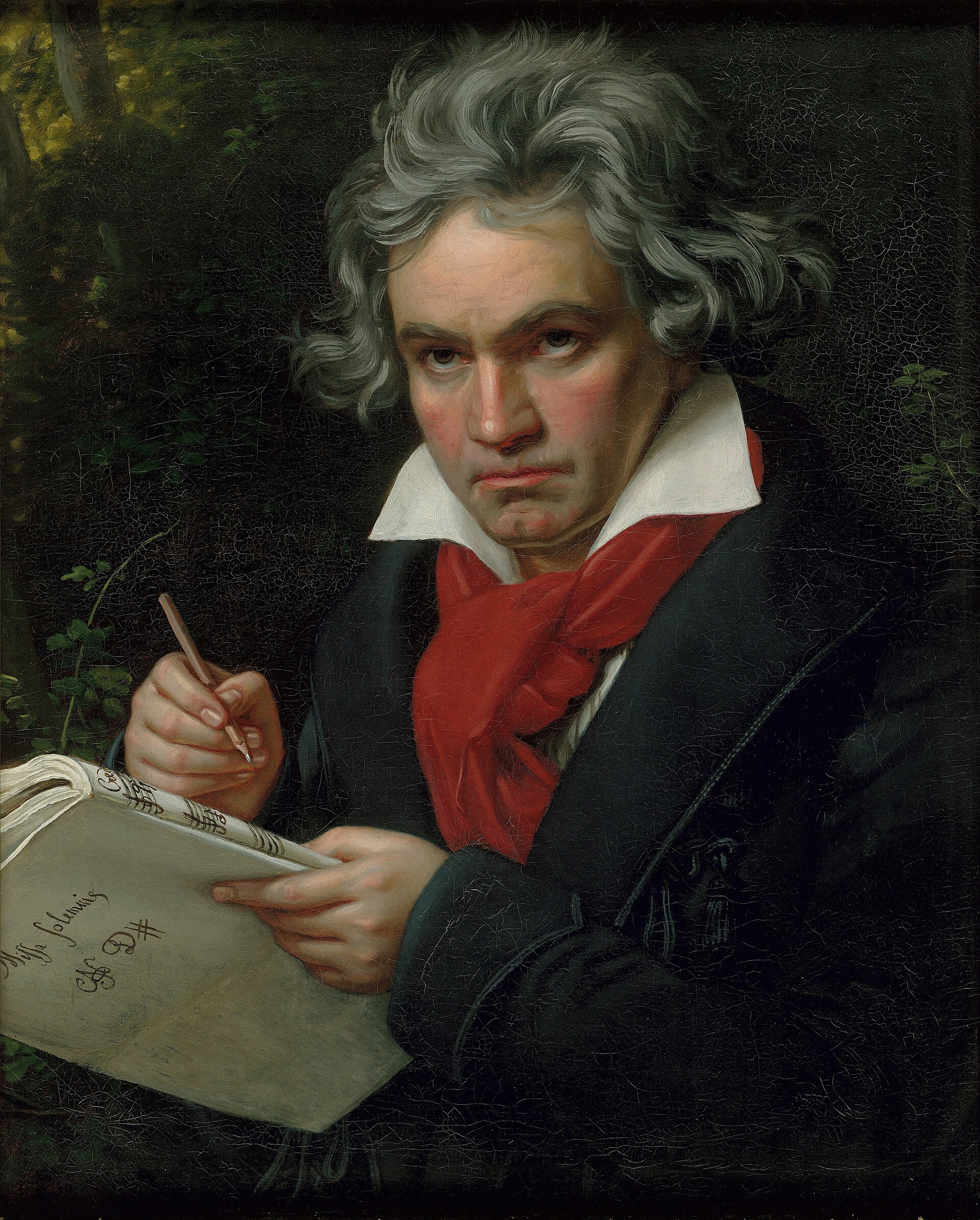
Ludwig van Beethoven (1770 to 1827) was a German composer and pianist, one of the most admired figures in the history of Western music. He bridged the Classical and Romantic eras and created some of the most powerful and beloved music ever written, even as he lost his hearing.
Born in Bonn, Beethoven came from a family of musicians and showed talent early, though his childhood was difficult, marked by a harsh, ambitious father who pushed him hard. His early teachers, including the musician Christian Gottlob Neefe, recognized his gift and helped him develop, setting him on the path to greatness.

As a young man Beethoven settled in Vienna, then the musical capital of Europe, where his extraordinary gifts as a pianist and composer quickly won him fame and powerful patrons. He dazzled audiences with his playing, especially his improvisations, and began to make his name as a composer of striking originality.
Beethoven expanded the scale, ambition, and emotional depth of music, transforming the symphony, the sonata, and the string quartet. He poured into his works a new intensity of feeling, of struggle, defiance, and exaltation, pushing the forms he inherited to their limits and beyond, and reshaping music for the century to come.
In his late twenties, Beethoven began to lose his hearing, a devastating affliction for a musician. As his deafness deepened he fell into despair, even contemplating death, but he resolved to go on, declaring that he would seize fate by the throat. He continued to compose through his growing isolation from the world of sound.
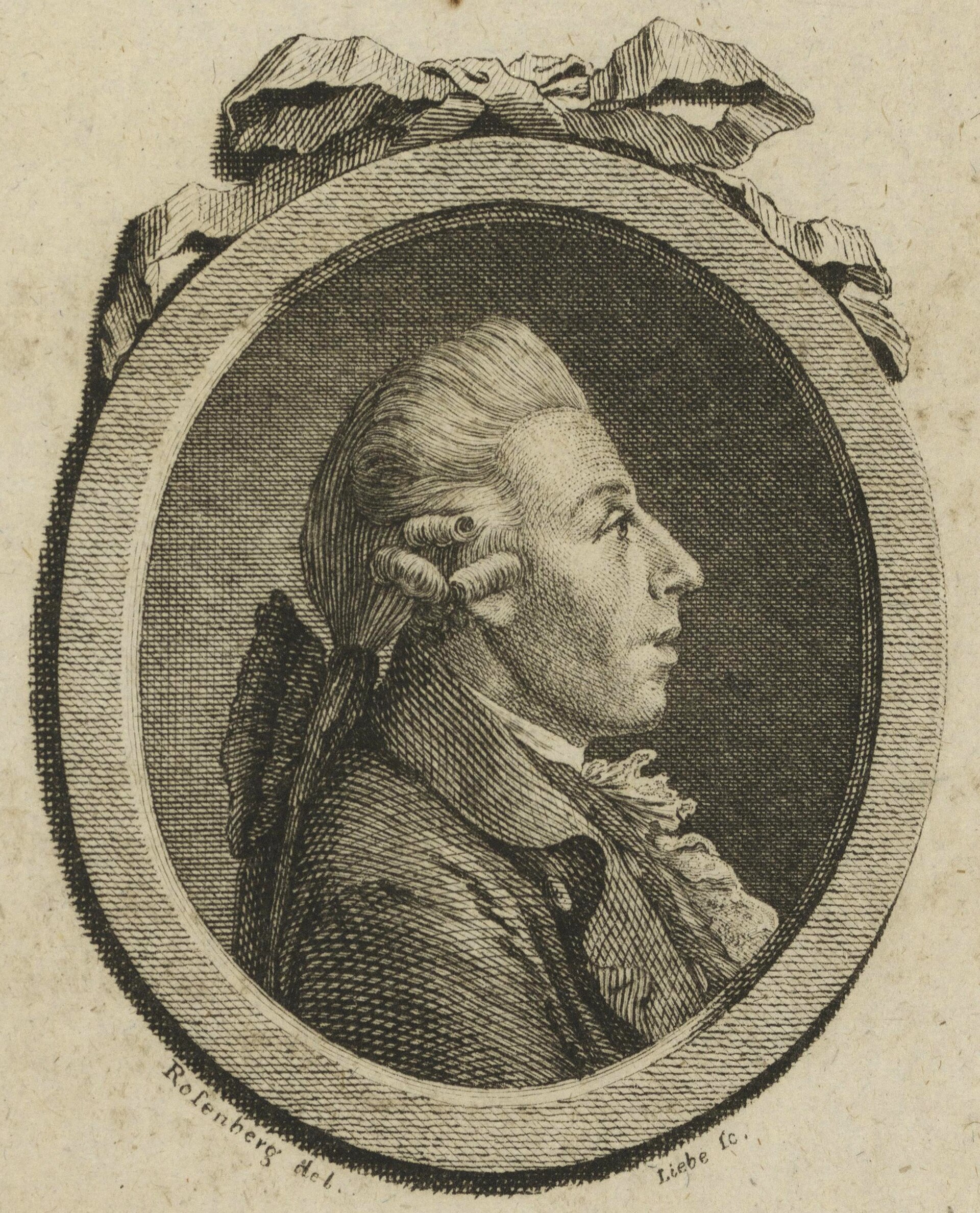
Beethoven composed many of his greatest works while increasingly, and then completely, deaf, hearing the music only in his mind. That some of the most glorious music ever written was created by a man who could not hear it is one of the most astonishing facts in the history of art, a triumph of imagination over affliction.
His nine symphonies are cornerstones of the repertoire, from the dramatic, fate driven Fifth, with its famous opening, to the monumental Ninth. The Ninth, written when he was entirely deaf, breaks new ground by adding voices to the orchestra in its final movement, setting the joyous Ode to Joy.
Beethoven stood at the meeting of two ages. He inherited the balanced, elegant style of the Classical era of Mozart and Haydn, and through the force of his vision pointed the way to the more personal, expressive Romantic age that followed. His music broke the bounds of his time and helped define what came next.
Beethoven's last years were marked by ill health, isolation, and personal troubles, yet he continued to produce profound and visionary works, including his late string quartets, which were so advanced that audiences struggled to understand them. He died in Vienna in 1827, mourned as a giant of music.
Beethoven's music has spoken to listeners for two centuries with its blend of struggle and triumph. The Ode to Joy is now the anthem of Europe, and his name stands as a symbol of artistic genius rising above adversity. He remains one of the most performed and beloved composers in the world.
