Liechtenstein is a tiny principality in the heart of the Alps, one of the smallest countries in the world and one of only two that are doubly landlocked, surrounded entirely by Switzerland and Austria, both themselves landlocked. A German-speaking nation ruled by a wealthy princely house from a castle above the capital, it punches far above its size economically, with one of the highest incomes per person on Earth, built on finance and on a surprisingly strong specialised manufacturing industry. It is a rare survivor of the patchwork of small states that once filled central Europe.
Liechtenstein traces its origin to 1719, when two small territories were united and raised to a principality of the Holy Roman Empire, named after the wealthy Austrian family that had bought them, the House of Liechtenstein, who acquired the lands chiefly to gain a seat among the imperial princes. The principality survived the collapse of the empire and the upheavals of the following centuries, slowly drawing closer to Switzerland after the First World War, and in time it transformed itself from a poor agricultural backwater into one of the richest countries in the world.
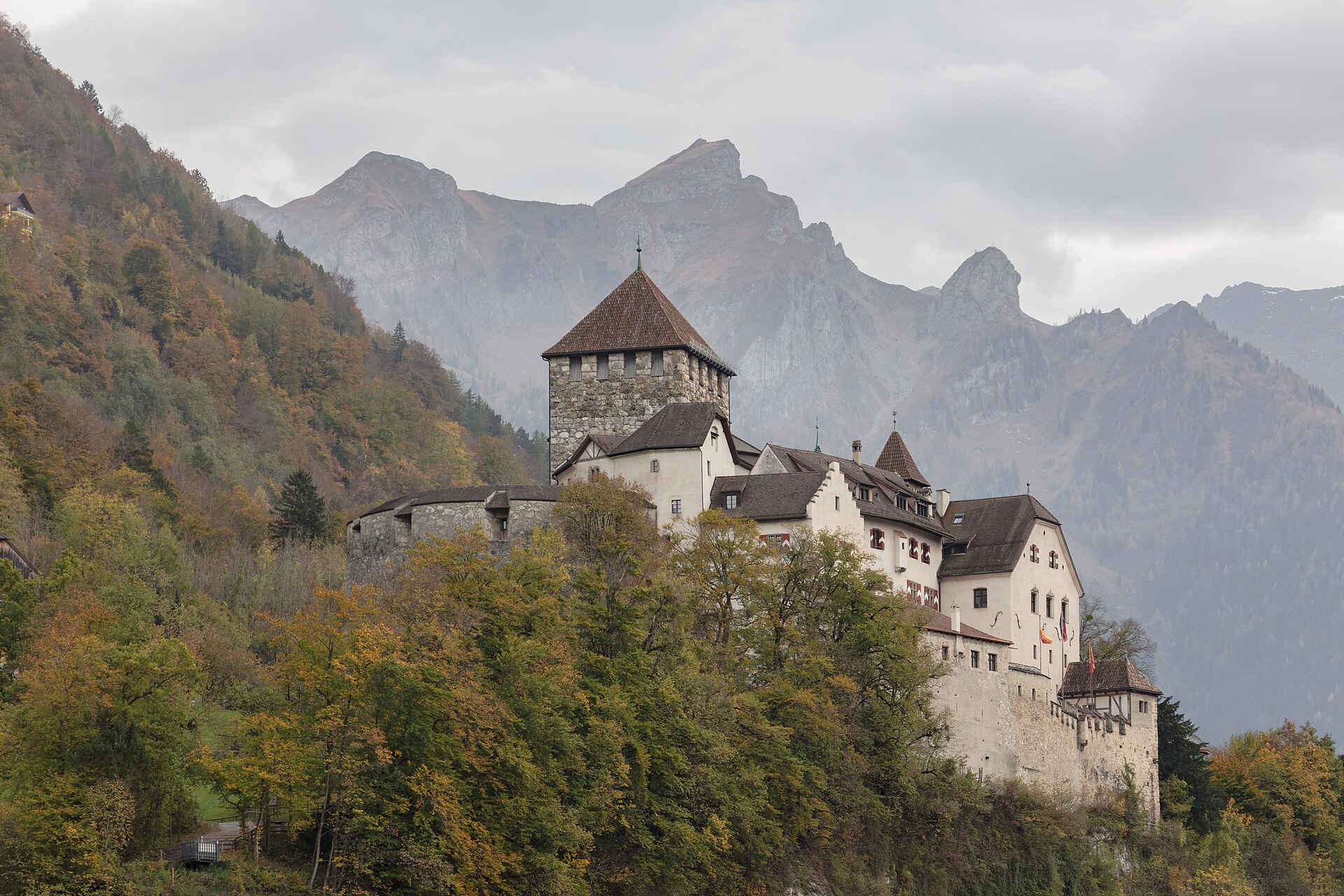
Liechtenstein is a small, mountainous country in the upper Rhine valley, in the Alps between Switzerland and Austria. Its western edge is the flat, fertile floodplain of the Rhine, which forms the border with Switzerland, while the land rises eastward into steep Alpine slopes and peaks. This compact mix of valley and mountain gives the country both its farmland and its small ski area. Doubly landlocked, set high among the Alps and far from any sea, Liechtenstein enjoys scenery typical of its mountainous neighbours despite its tiny size.

The flag of Liechtenstein has two horizontal bands of blue over red, with a golden crown in the upper hoist. The blue is said to represent the sky and the red the glow of evening fires, while the crown stands for the prince, the princely house, and the unity of the people with their monarch. The crown was famously added in 1937 after it was discovered, at the Olympic Games, that Liechtenstein's flag was identical to that of Haiti, a coincidence the crown was introduced to resolve.
Liechtenstein is a predominantly Roman Catholic country, and Catholicism is the established state religion, reflecting the principality's deep historical ties to Catholic Austria. The faith is woven into the culture, the festivals, and the calendar of the small nation, and its churches are a familiar part of the landscape. There are smaller Protestant and other communities, including a Muslim minority among immigrant residents, and the country guarantees religious freedom, but its Catholic heritage and the formal place of the Church remain a defining feature of national life.
The cuisine of Liechtenstein closely resembles that of its Alpine, German-speaking neighbours, Switzerland and Austria, with hearty, warming dishes suited to a mountain climate. A national favourite is käsknöpfle, soft cheese-coated dumplings or noodles, often served with applesauce, a relative of the Swiss and Austrian cheese-and-dumpling traditions. Soups, dishes of pork and dumplings, and Alpine cheeses feature strongly, and Austrian-style pastries and cakes are popular for dessert. The food is rustic, comforting, and firmly rooted in the wider culinary world of the central Alps.
Agriculture once dominated the economy of what was a poor rural principality, and although it now plays only a small role, it retains a place in the country's life. The fertile Rhine valley floor supports the growing of maize, vegetables, and other crops, while the Alpine slopes are used for raising cattle and dairy farming, and wine is produced, including from vineyards associated with the princely house. The modern economy, however, rests overwhelmingly on financial services and on a remarkably strong high-precision manufacturing sector for so small a state.
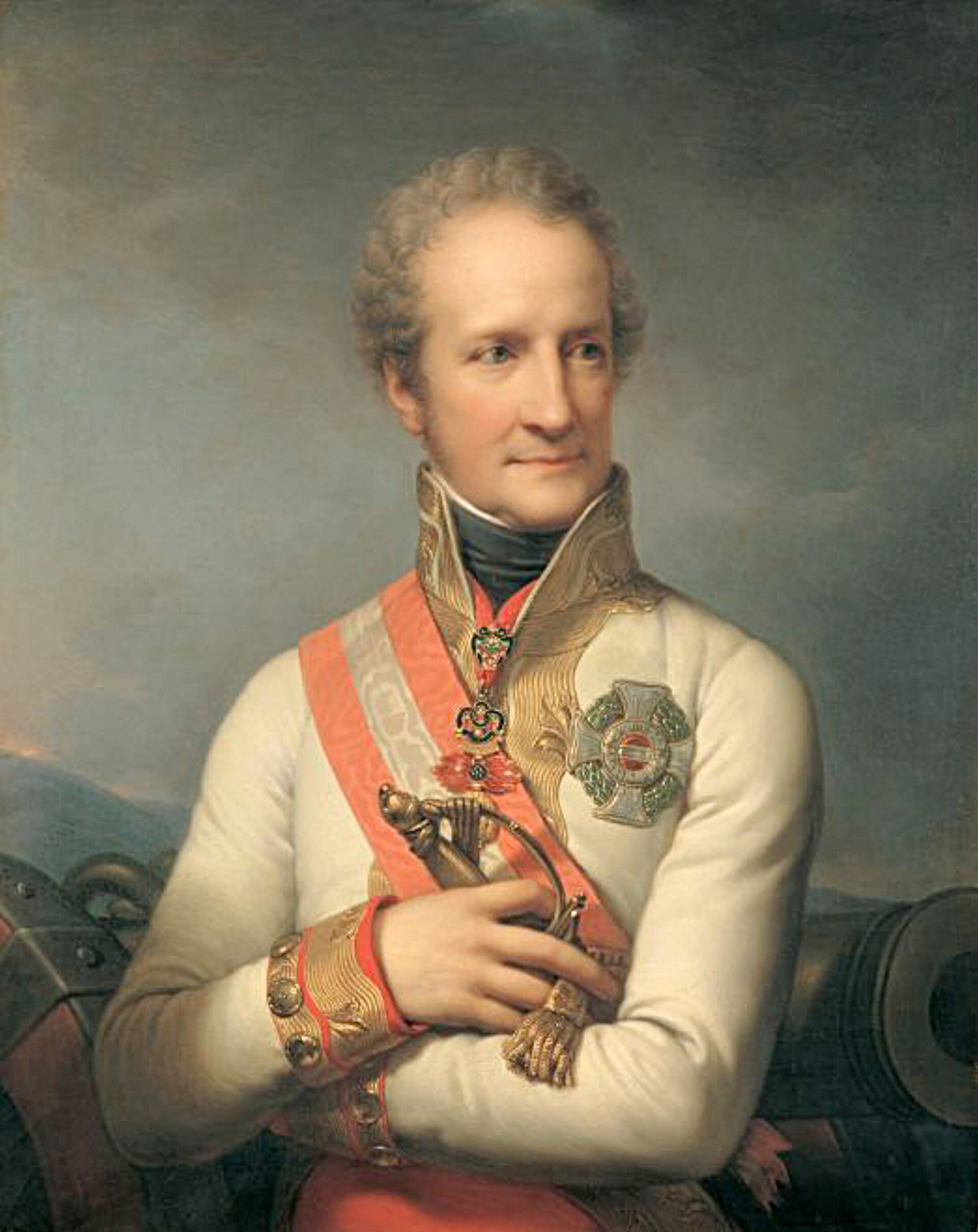
The founding of the principality in 1719 and its improbable survival through the fall of the Holy Roman Empire, the Napoleonic Wars, and the two world wars, when it remained neutral, are the central threads of Liechtenstein's history. Long one of Europe's poorest corners, it underwent a dramatic transformation in the twentieth century into one of the wealthiest. The reigning princely house, unusually for a modern European monarchy, retains significant political powers, confirmed by referendum, making Liechtenstein a distinctive blend of old monarchy and modern prosperity.
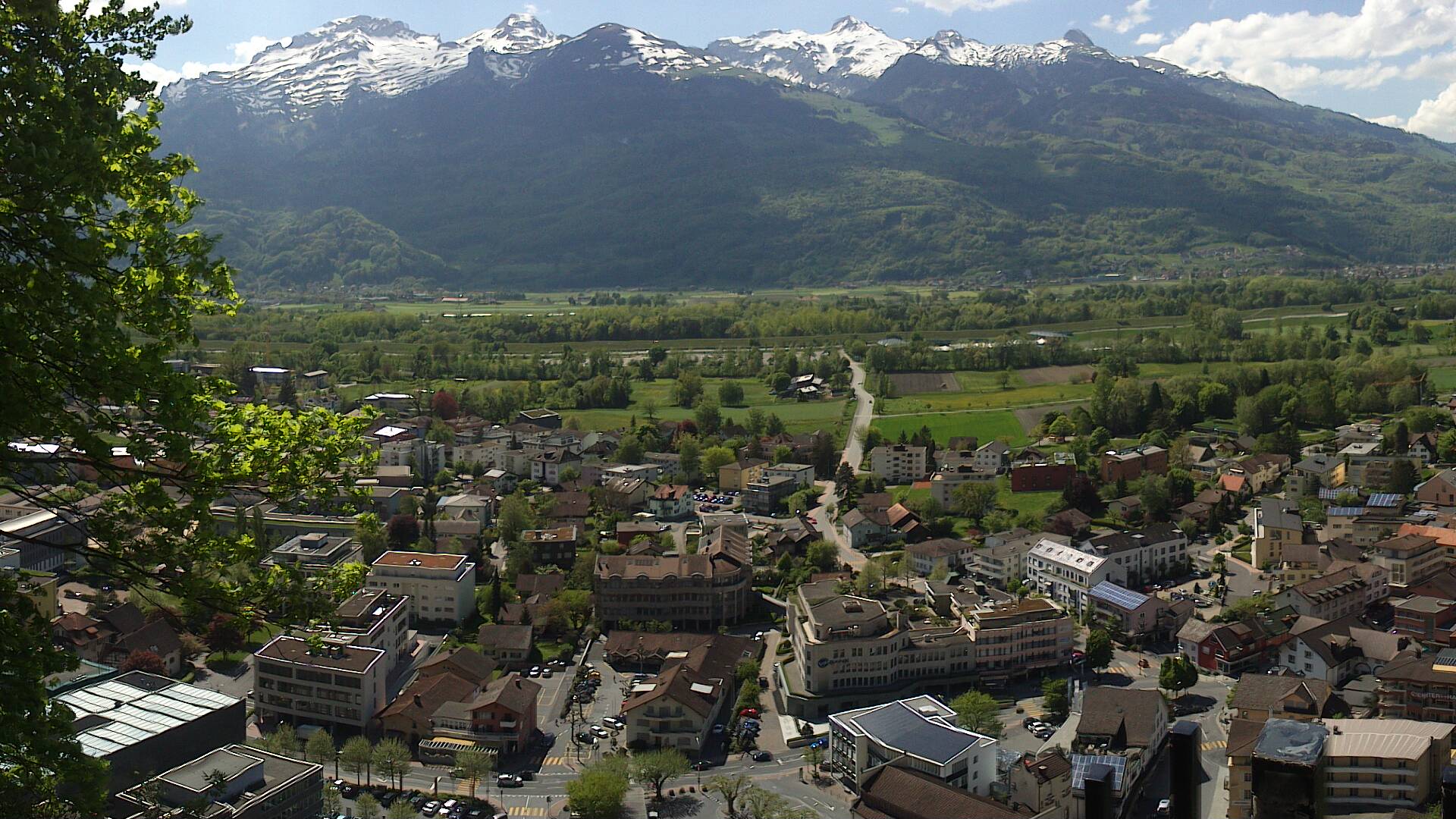
Liechtenstein has a population of only around 40,000 people, making it one of the least populous countries in the world, the majority native Liechtensteiners, alongside a substantial number of resident foreigners, especially from Switzerland, Austria, and Germany, drawn by the country's prosperity. The official language is German, spoken locally in an Alemannic dialect akin to that of neighbouring Switzerland. The population is concentrated in a string of small villages and towns along the Rhine valley, including the capital, Vaduz, beneath its castle, in one of the smallest and richest nations on Earth.
