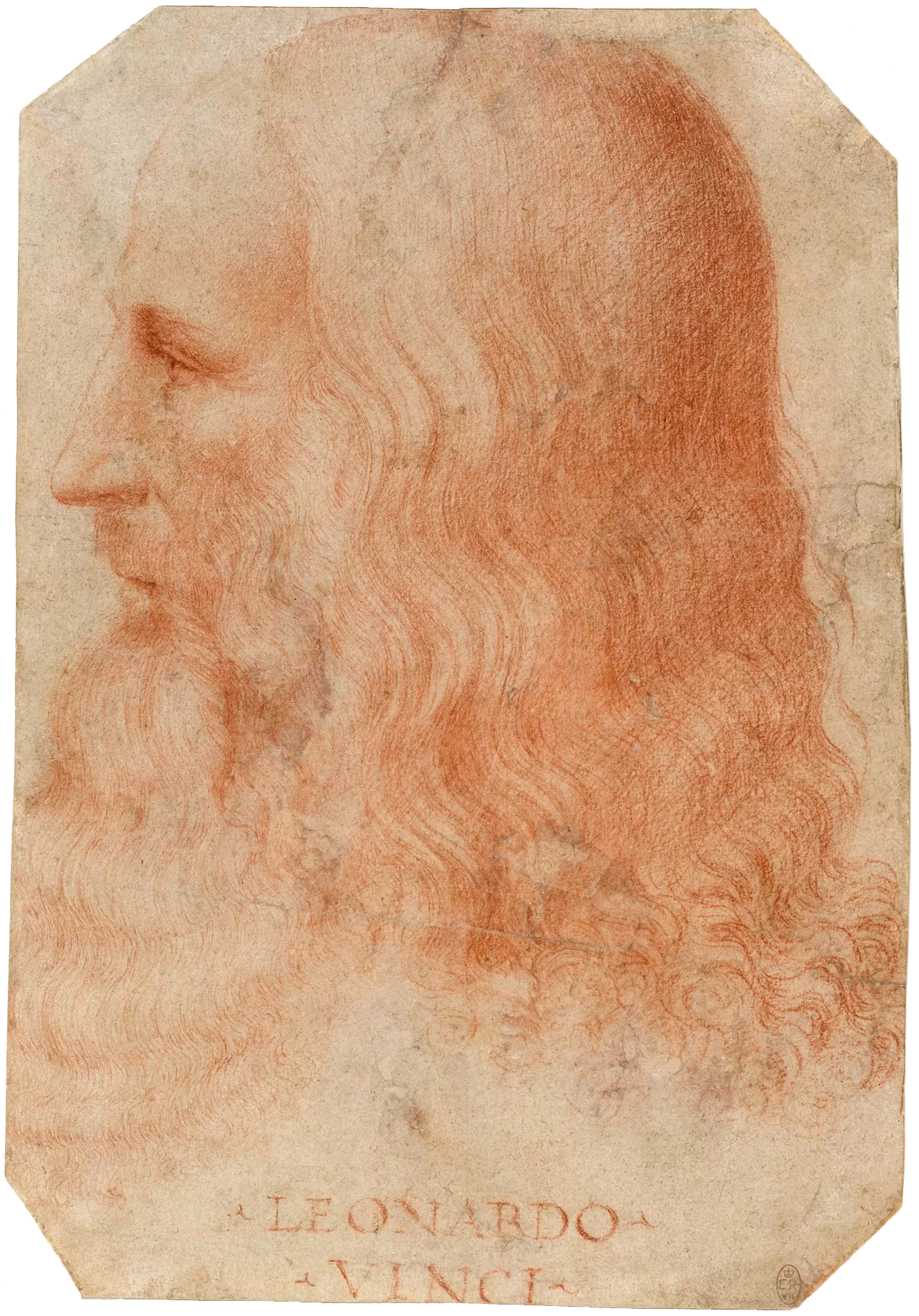
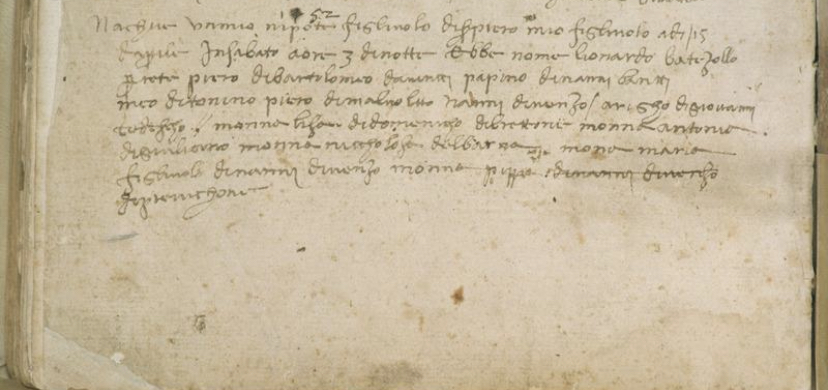
Leonardo da Vinci was an Italian polymath of the High Renaissance whose range across art and science has made his name a byword for genius. Born in 1452 near the town of Vinci, he was a painter, draftsman, engineer, anatomist, and inventor whose curiosity seemed to have no limit.
The illegitimate son of a notary and a peasant woman, Leonardo grew up in the Tuscan countryside, where he absorbed the natural world that would later fill his art and notebooks with studies of water, plants, rocks, and light.
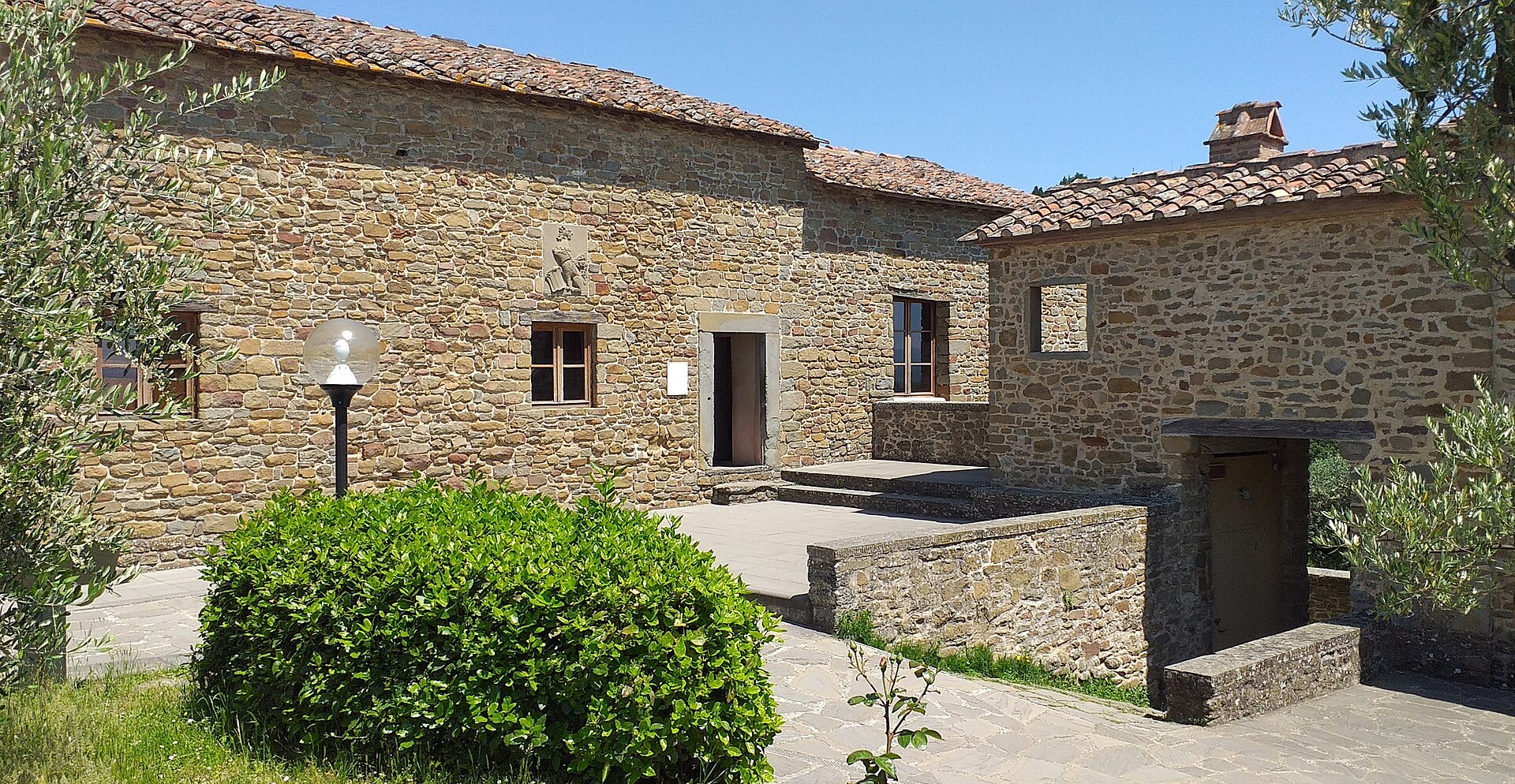
Because of his illegitimate birth, Leonardo was barred from the universities and the traditional professions of his father, and he lacked a formal classical education. He later called himself a "disciple of experience," trusting observation over received authority, an attitude that shaped everything he did.
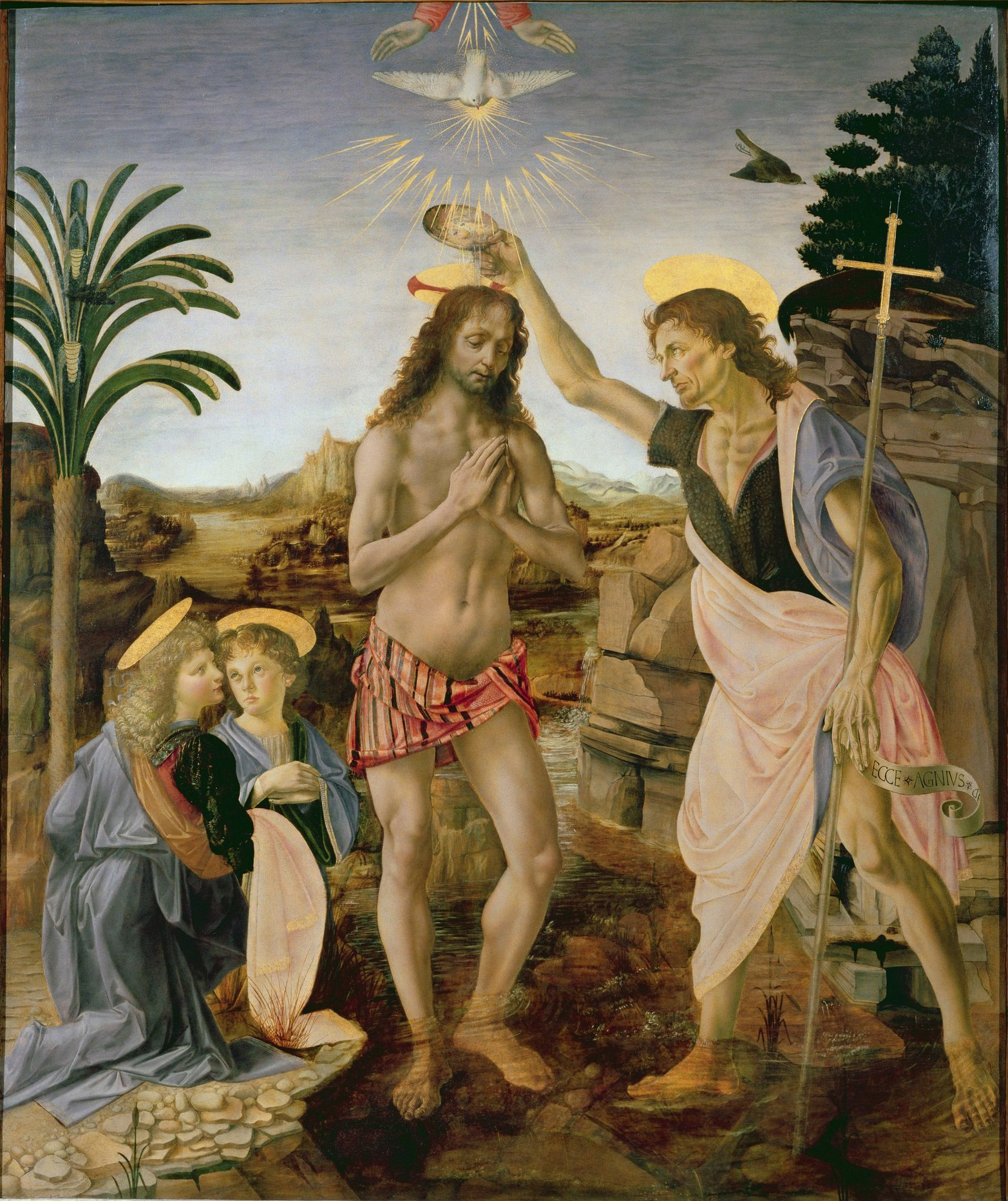
In his teens Leonardo trained in the Florence workshop of Andrea del Verrocchio, a leading artist of the day, where he learned painting, sculpture, and metalwork. His early skill was already evident, and by tradition he painted an angel in his master's *Baptism of Christ* so fine that Verrocchio set down his own brush.
Leonardo produced relatively few finished paintings, partly because he was easily drawn to new problems, but among them are two of the most famous works in the world: the *Mona Lisa*, with its enigmatic expression, and *The Last Supper*. His mastery of light, shadow, and human emotion set a new standard for Western art.
Leonardo filled thousands of notebook pages with mirror writing, sketches, and observations spanning an astonishing range of subjects. They reveal a mind constantly questioning how things worked, from the flow of rivers to the flight of birds.
He dissected human bodies to understand their structure, producing anatomical drawings of remarkable accuracy, and he designed machines, including flying contraptions and war engines, that anticipated inventions centuries ahead of his time, though most were never built.
Working across the courts of Florence, Milan, and Rome, Leonardo served princes as a painter, military engineer, and designer of pageants and devices. He ended his life in France under the patronage of the king, who is said to have admired him deeply.
Leonardo embodied the Renaissance ideal of the universal genius, equally at home in art and science. He died in 1519, and his fusion of curiosity, observation, and craft continues to fascinate the world five centuries later.
