
Does the language we speak shape the way we think? This question, sometimes called linguistic relativity, has fascinated and divided scholars for generations. That language and thought are linked is clear; how deeply language molds thought is genuinely contested.
People have long wondered whether speakers of different languages, with different words and grammar, actually perceive and reason about the world differently. Does a language with many words for snow, or one that genders its nouns, change how its speakers see and think? The question is as intriguing as it is hard to settle.
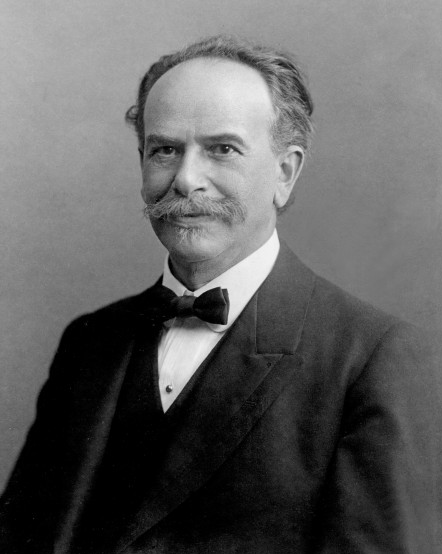
The idea became famous through the work of the linguists Edward Sapir and his student Benjamin Lee Whorf in the early twentieth century. They argued that the structure of a language influences, or even determines, how its speakers think, a notion that came to be called the Sapir-Whorf hypothesis or linguistic relativity.
The hypothesis comes in two strengths. The strong version claims that language determines thought, trapping speakers within the categories of their tongue. The weak version claims only that language influences thought, nudging it in certain directions. The difference between these two claims is at the heart of the debate.
The strong claim, that language imprisons thought, is now largely rejected. People can clearly think about things their language has no single word for, and can learn new distinctions. We are not trapped by our vocabulary; thought ranges freely beyond the words available to express it, which undercuts the strongest form of the idea.
A weaker version, however, has real support. Carefully designed studies suggest that language can influence how readily we notice colours, track time, remember events, or reason about space and direction. Language seems to nudge attention and habits of thought, shaping tendencies without dictating what can be thought at all.
Researchers have found, for example, that speakers of languages with different colour words may sort colours slightly differently, and that grammatical gender can subtly colour how objects are described. But measuring such effects is hard, the results are often small, and they do not always replicate, which keeps the debate alive.
Part of the difficulty is that language, culture, and environment are deeply intertwined. When speakers of different languages think differently, it is hard to know whether language is the cause, or whether language and thought are both shaped by a shared culture and way of life. Untangling them is genuinely difficult.
Most researchers now accept a moderate position: language influences thought in subtle ways without imprisoning it. But exactly how far that influence reaches, in which areas it operates, and how much it matters, remain open and lively questions, debated with fresh experiments and old philosophical care alike.
