Kosovo is a landlocked country in the central Balkans of southeastern Europe, bordered by Serbia, North Macedonia, Albania, and Montenegro. The youngest country in Europe, it declared independence from Serbia in 2008 following a war and a period of United Nations administration, and it is recognised by a large number of countries but not by all, its sovereignty still disputed by Serbia. With a young, overwhelmingly ethnic Albanian population and a smaller Serbian minority, Kosovo is a small, developing nation working to build its institutions and economy after a turbulent recent history.
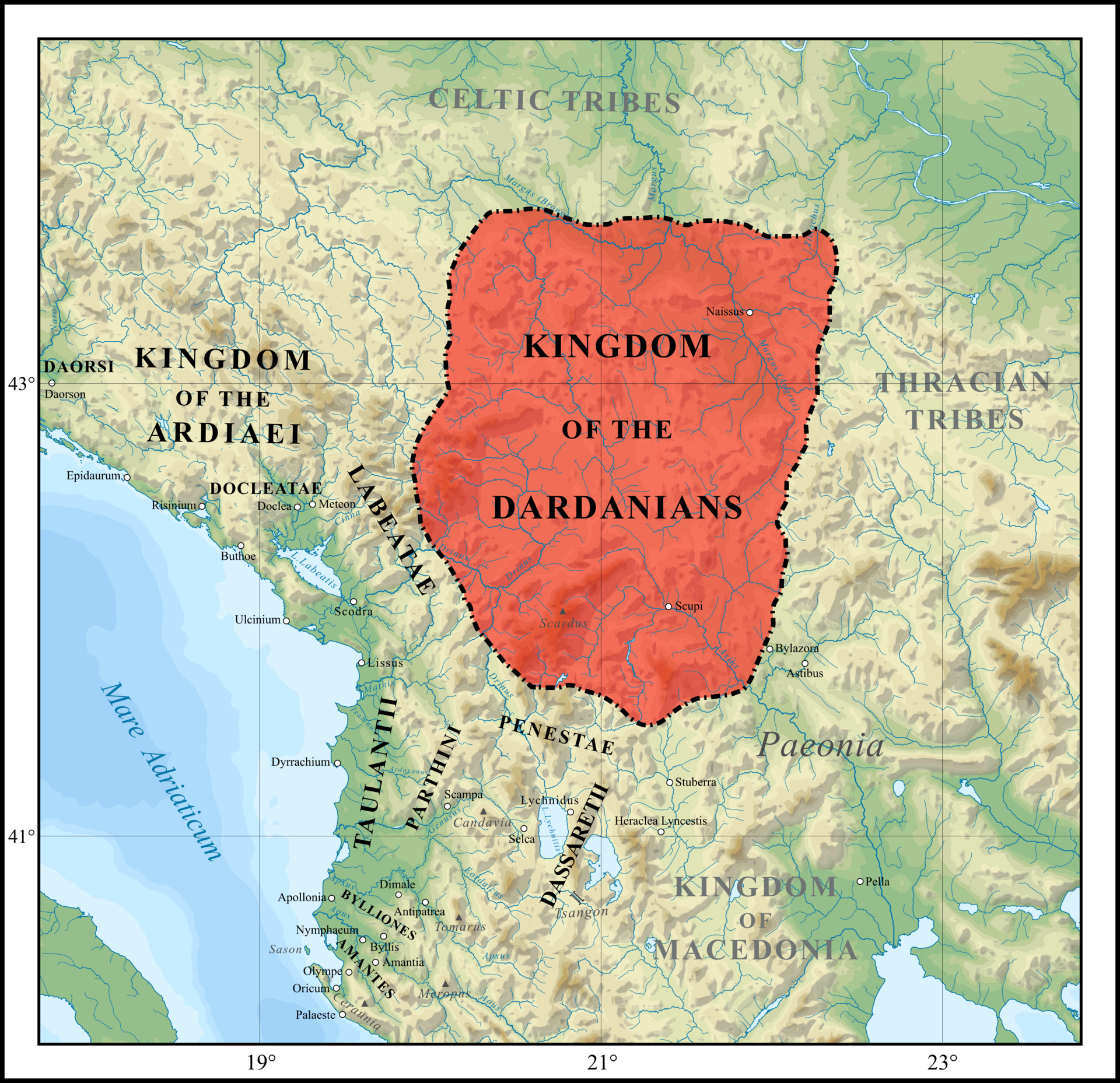
The region has ancient roots, home in antiquity to the kingdom of Dardania and later a heartland of the medieval Serbian kingdom, dotted with Orthodox monasteries that remain sacred to Serbs. From the fourteenth century it fell under long Ottoman rule, during which its population became predominantly Muslim and increasingly Albanian. In the twentieth century Kosovo was part of Yugoslavia, and the unravelling of that state in the 1990s brought a bitter conflict between Serbian forces and ethnic Albanians, ended by a NATO intervention in 1999, after which Kosovo was administered by the United Nations until its declaration of independence in 2008.
Kosovo declared itself an independent state in 2008, and it has been recognised by a large share of the world's nations and admitted to some international bodies, while functioning as a self-governing country. Yet its statehood remains genuinely contested: Serbia regards Kosovo as part of its own territory, and a significant number of countries, including some major powers, do not recognise it, which keeps Kosovo out of the United Nations. Whether Kosovo is a fully sovereign state is therefore not a settled fact but an unresolved international dispute.
Kosovo is a small, landlocked, and largely mountainous country, set on a plateau ringed and crossed by mountain ranges that rise along its borders, with fertile basins and plains between them where most of the population and farming are found. Rivers rising in Kosovo flow out to three different seas. The climate is continental, with cold winters and warm summers. The mountains, including parts of the so-called Accursed Mountains in the west, offer dramatic scenery and a growing potential for tourism, while the central plains form the agricultural and urban heart of the country.
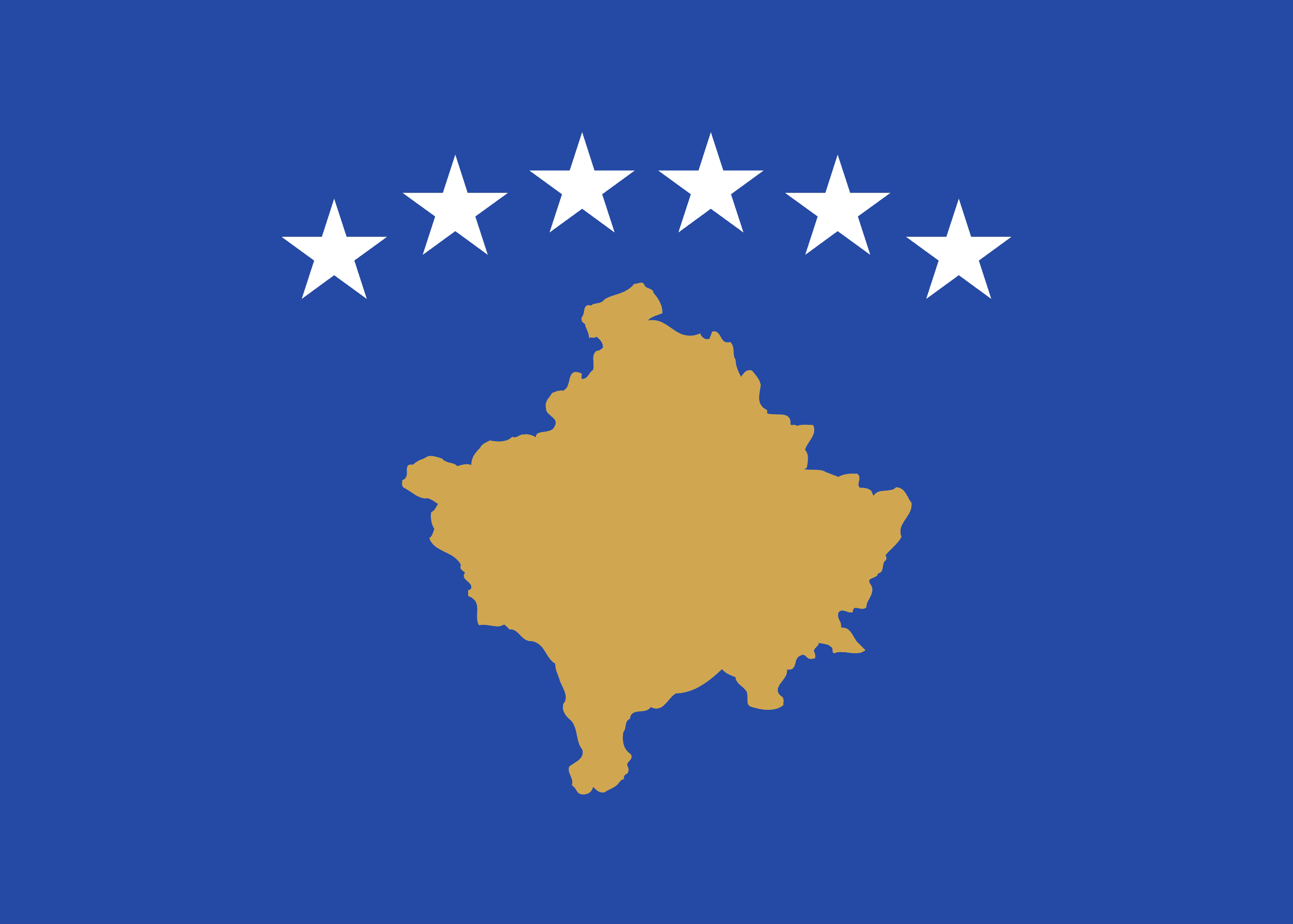
The flag of Kosovo has a blue field bearing a golden map of the country in the centre, above an arc of six white stars. The map represents the territory of the new nation, and the six stars are intended to symbolise its six main ethnic groups, Albanians, Serbs, and others, expressing a hope for a multi-ethnic state, while the design deliberately avoided the symbols of any one community. Adopted on independence in 2008, the flag was the product of an international competition and is one of the few in the world to depict the country's own outline.
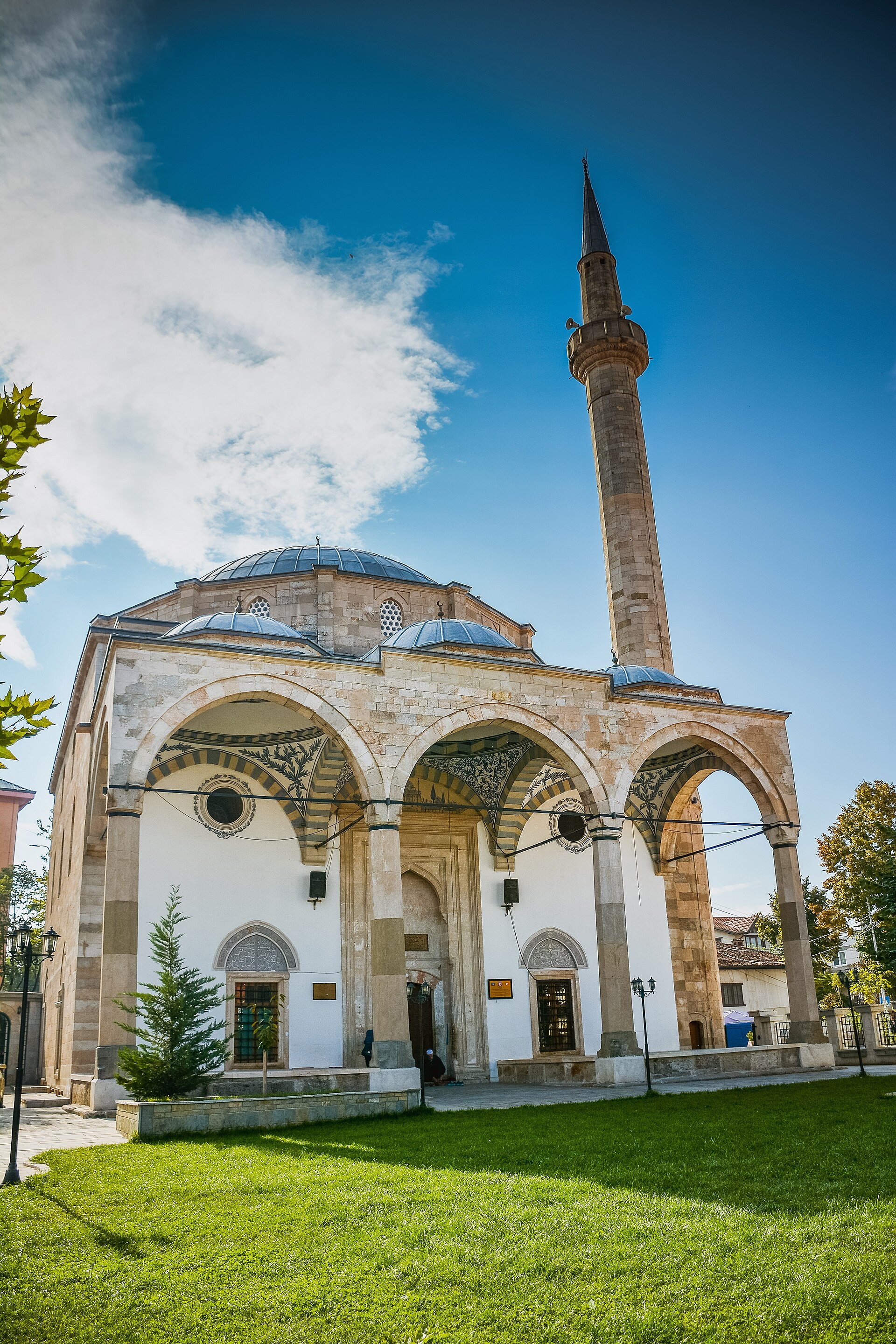
Kosovo is a predominantly Muslim country, the legacy of centuries of Ottoman rule, with the great majority of its ethnic Albanian population following Sunni Islam, generally in a moderate and secular form. There are also significant Christian communities, including Catholic Albanians and the Serbian Orthodox minority, for whom Kosovo holds deep religious importance as the site of historic monasteries and churches central to Serbian Orthodoxy. This mix of Islam and Orthodox and Catholic Christianity, and the heritage tied to it, is bound up with the ethnic identities at the heart of the country's recent history.
Kosovar cuisine reflects its Balkan and Ottoman heritage, sharing much with Albanian, Turkish, and wider regional cooking. Meat, especially grilled and minced, features strongly, in dishes such as the grilled rolls and patties common across the Balkans, alongside hearty pies of layered pastry called flia and byrek, stuffed peppers, beans, and dairy products such as cheese and yoghurt. Bread is a staple, and strong coffee and sweet pastries reflect the Turkish influence. The food is rustic, generous, and central to the region's strong traditions of hospitality.
Agriculture is an important part of Kosovo's economy and a livelihood for much of its rural population, supported by the fertile plains and basins between the mountains. Farmers grow wheat, maize, and other grains, along with vegetables, fruit, and grapes for wine, and raise livestock for meat and dairy. Much farming is on a small scale and the sector faces challenges of modernisation. Kosovo also holds significant mineral resources, including deposits of lignite and metals, and the economy depends as well on remittances sent home by the large Kosovar diaspora abroad.
The medieval era as a centre of the Serbian kingdom, the long period of Ottoman rule, and above all the conflict of the late 1990s, which brought war, displacement, and NATO intervention, are the defining chapters of Kosovo's history. The declaration of independence in 2008 created Europe's newest country, an event celebrated by Kosovo's Albanian majority but rejected by Serbia. Since then Kosovo has worked to gain wider international recognition, to normalise relations with Serbia through internationally mediated talks, and to develop as a young state.
Kosovo has a population of around 1.6 million people, with the youngest age profile in Europe, overwhelmingly ethnic Albanian, who make up the great majority, alongside a Serbian minority concentrated in the north and in enclaves, and smaller communities of Bosniaks, Turks, Roma, and others. The main languages are Albanian and Serbian, both official. The population is concentrated in the central plains and the cities, above all the capital, Pristina. A very large number of Kosovars live and work abroad, especially in Germany and Switzerland, and their remittances are vital to the economy.
