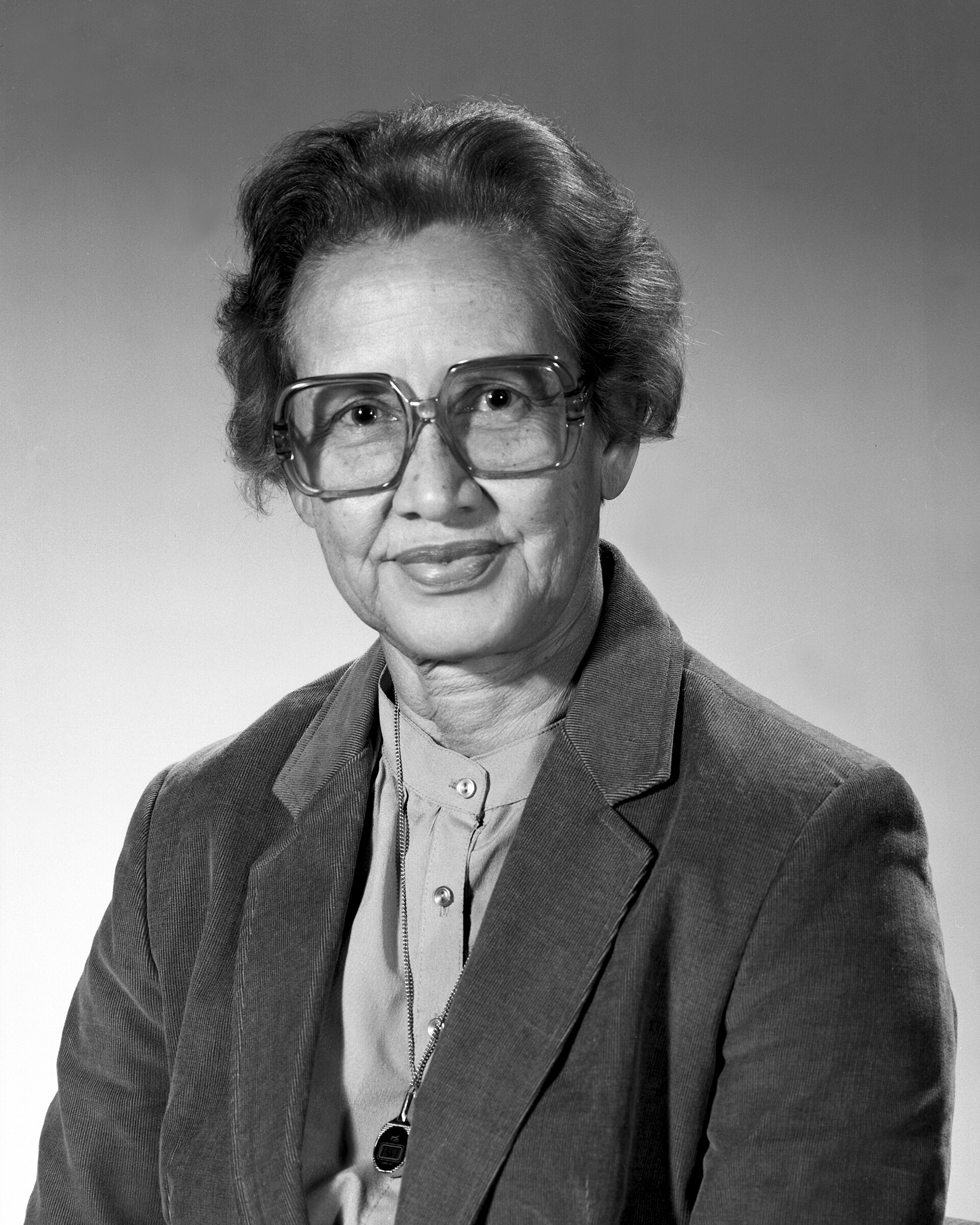
Katherine Johnson was an American mathematician whose precise calculations of orbital mechanics were critical to the success of the United States' early crewed spaceflights. Born in 1918 in West Virginia, she overcame the barriers of both race and gender to become a central figure at NASA.
A gifted child who was fascinated by numbers and counted everything in sight, Johnson advanced through school so quickly that she started high school at ten. Her father moved the family long distances each year so she could attend a school that admitted Black students beyond the early grades.
Johnson graduated from college at eighteen with degrees in mathematics and French, and she was among the first Black students chosen to integrate a graduate program in West Virginia. After years teaching, she sought work that would let her use her mathematical gifts more fully.
In 1953 Johnson joined the organization that became NASA as one of its "human computers," the mostly Black women who performed complex calculations by hand in a segregated work unit, their work essential but often uncredited.
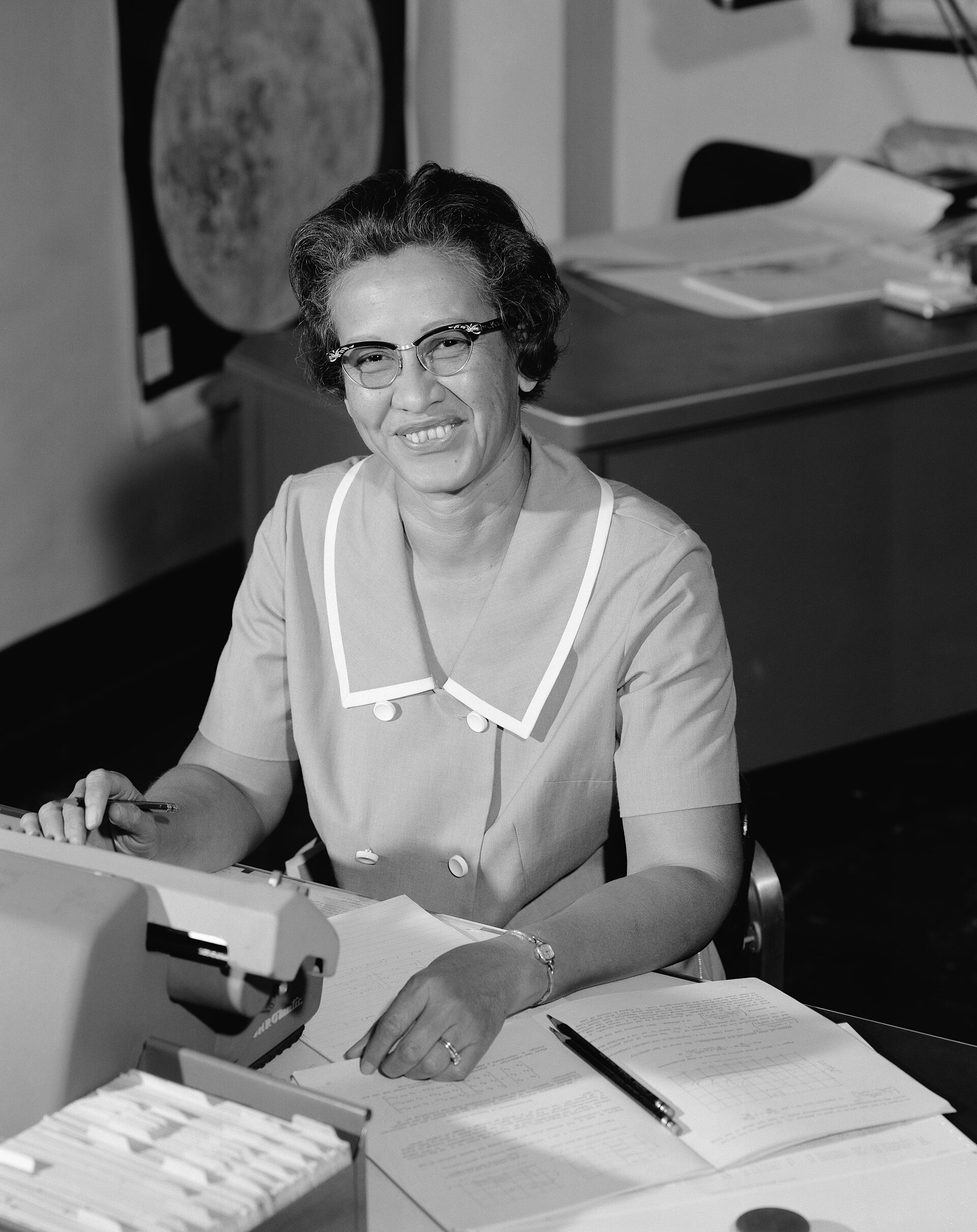
Johnson computed the trajectory for Alan Shepard's 1961 flight, which made him the first American in space. Her grasp of analytic geometry made her indispensable to the engineers planning the missions.
Before John Glenn's pioneering orbital flight in 1962, he reportedly insisted that Johnson personally verify the figures produced by the new electronic computers, telling engineers that if she said the numbers were good, he was ready to fly. It was a striking vote of confidence in her accuracy over the machines.
Johnson pushed past the conventions of her time, insisting on attending the editorial meetings from which women had been excluded and eventually becoming the first woman in her division to be credited as an author on a research report.
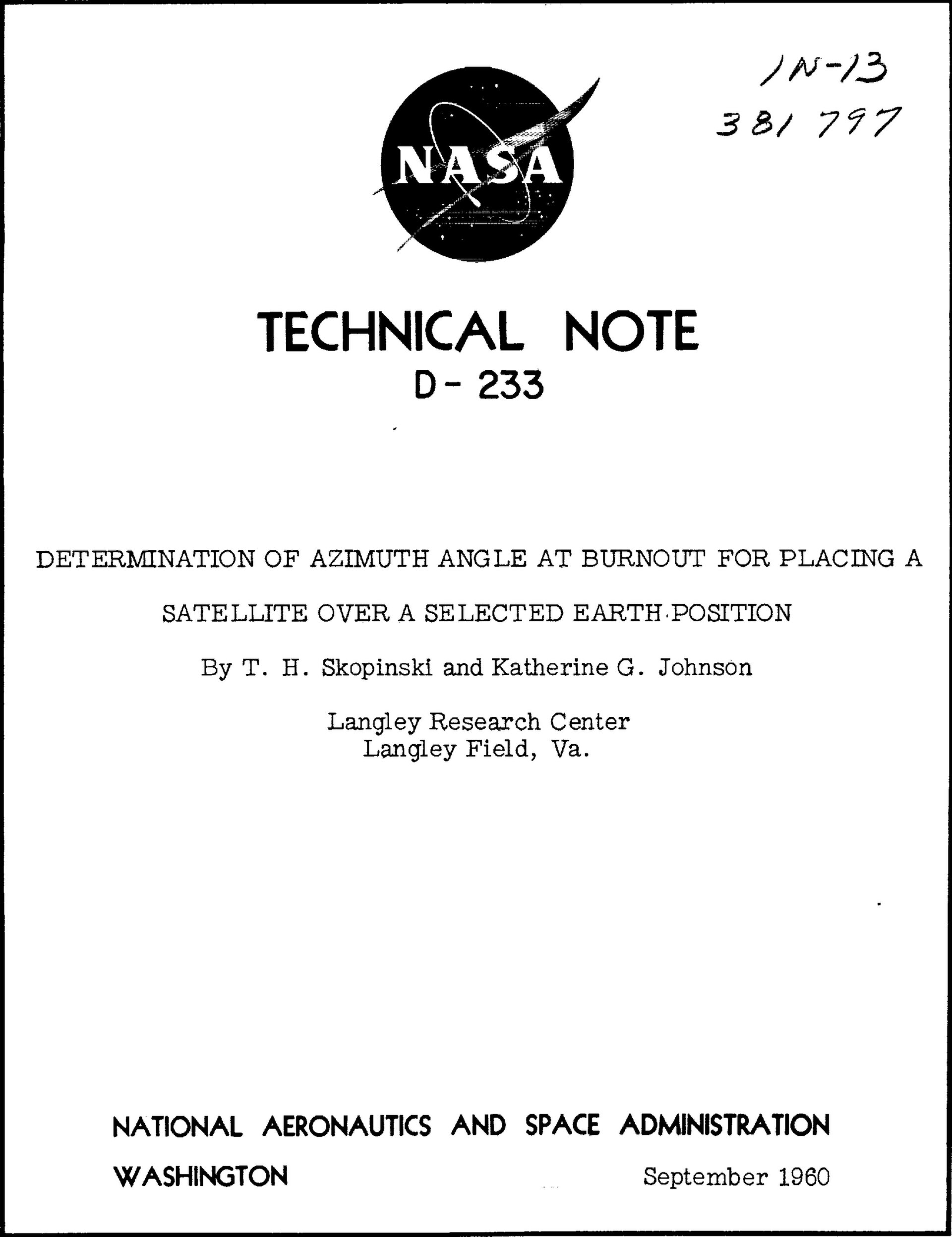
Her work continued through the Apollo program, including the 1969 Moon landing, and into the era of the Space Shuttle. She helped calculate trajectories, launch windows, and emergency return paths for some of the most consequential missions in history.
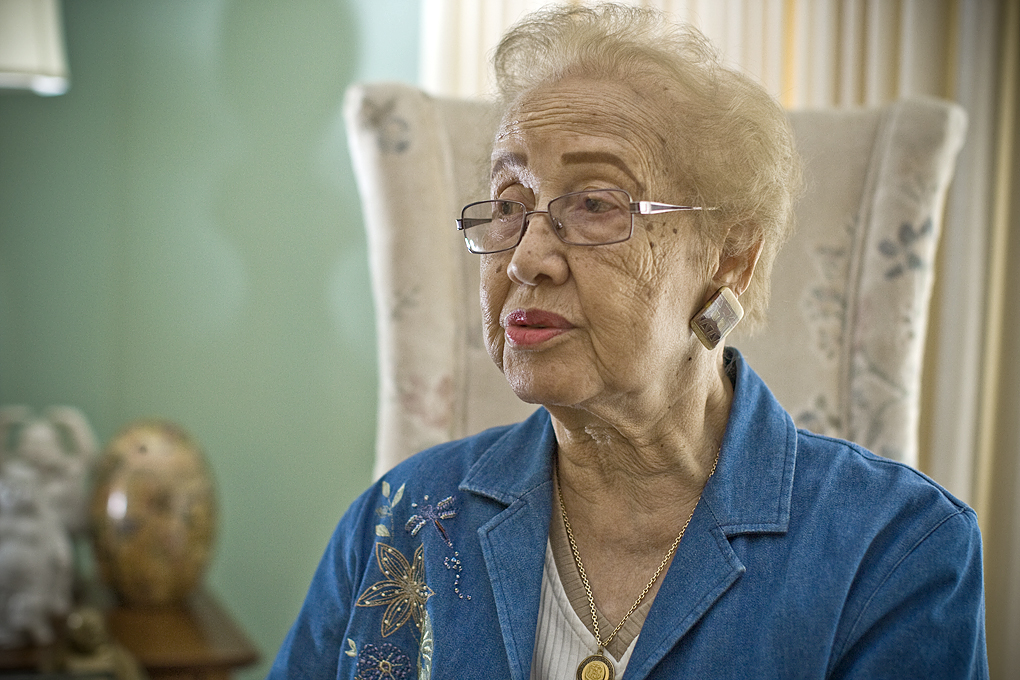
For decades Johnson's contributions went largely unrecognized by the public. Late in her life she became widely celebrated, the subject of the book and film *Hidden Figures*, and in 2015 she received the Presidential Medal of Freedom. She died in 2020 at the age of 101.
