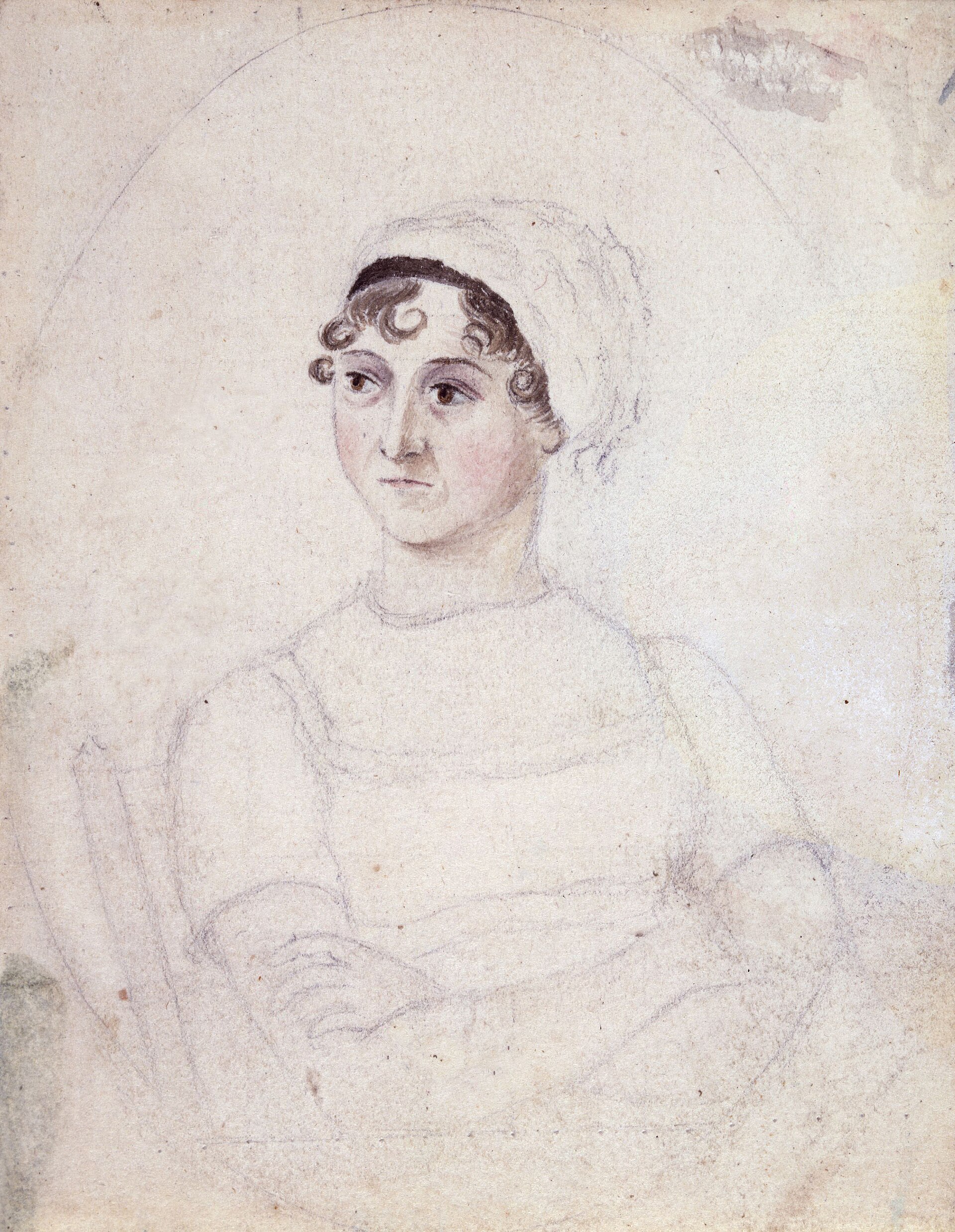
Jane Austen (1775 to 1817) was an English novelist whose sharp, witty stories of love, marriage, and society have made her one of the most beloved and widely read writers in the English language. Her novels remain popular two centuries after her death.
Austen lived a relatively quiet life in the English countryside, the daughter of a clergyman, in a close and affectionate family that encouraged her reading and writing. She never married, and she drew her material not from grand adventures but from the small, closely observed world of the gentry she knew so well.
Austen wrote six major novels, including Pride and Prejudice, Sense and Sensibility, Emma, and Persuasion, all keenly observed comedies of manners. With elegant prose and a gift for irony, she explored the lives of young women navigating love, money, family, and the rigid social expectations of their time.
Austen's writing is celebrated above all for its wit. Her sparkling dialogue, gentle satire, and sharp eye for human folly and vanity give her novels their enduring charm. Beneath the light comedy, however, lies a serious and clear eyed understanding of money, power, and the constrained choices open to women.
Marriage is at the centre of Austen's novels, not as mere romance but as the crucial decision shaping a woman's whole life and security in a world that offered her little independence. Her heroines seek both love and good sense, and her plots turn on the delicate dance of courtship and the perils of a bad match.
Austen published her novels anonymously, with her authorship known only to her family and close circle, as was common and seemly for women writers of her day. They brought her modest recognition and some income in her lifetime, but nothing like the fame they would later achieve.
Working within the small world she knew so intimately, Austen turned everyday social life into art of remarkable depth and precision. She famously described her work as a "little bit of ivory" on which she painted with a fine brush, finding in ordinary life the whole range of human nature.
Austen died in 1817, aged just forty one, after a period of illness, before her fame fully blossomed. She left behind a small but perfect body of work, and a few unfinished writings that hint at what more she might have created had she lived longer.
Austen's reputation grew steadily after her death, and today she is regarded as one of the greatest of all English novelists. Her novels are endlessly adapted into films and series, her characters are household names, and her wit and wisdom continue to delight readers around the world.
