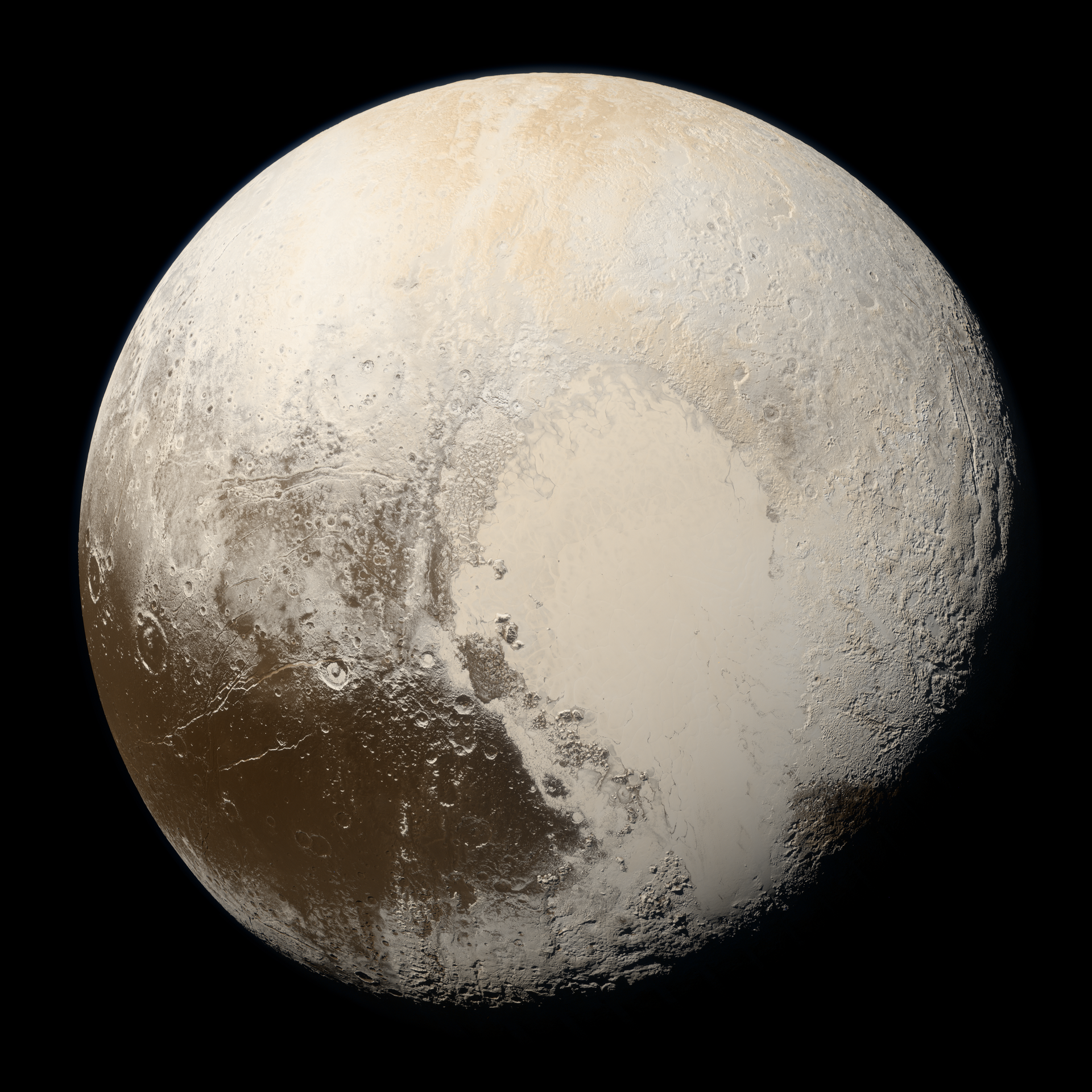
Whether Pluto should be called a planet is a question that has divided astronomers and captured the public imagination. Discovered in 1930 and counted as the ninth planet for over seventy years, Pluto was formally reclassified in 2006, a decision that settled the official label but not the underlying debate, which continues to this day.
Pluto was found in 1930 by the young American astronomer Clyde Tombaugh, who painstakingly compared photographic plates of the night sky until he spotted a tiny moving point of light. Its discovery was a sensation, and the new world was soon embraced as the Solar System's ninth planet.

In 2006, the International Astronomical Union adopted a formal definition of a planet for the first time. To qualify, a body must orbit the Sun, be massive enough for its own gravity to pull it into a round shape, and have cleared its orbital neighborhood of other objects.
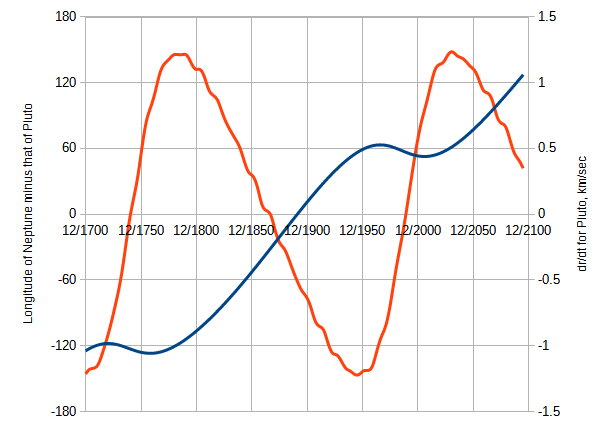
Pluto passes the first two tests but fails the third, since it shares its region of the outer Solar System with many other icy bodies and even crosses the orbit of Neptune. It was therefore reclassified as a "dwarf planet," a decision prompted partly by the discovery of other Pluto sized worlds farther out.
Many planetary scientists strongly disagree with the decision. They argue that the requirement to have "cleared its orbit" is vaguely defined, and note that even Earth and Jupiter have not entirely swept their paths clear of asteroids. They contend that a world should be classified by what it is, not merely by where it happens to orbit.
By that geophysical view, Pluto is plainly a complex and fascinating world. The close pass of NASA's New Horizons spacecraft in 2015 revealed mountains of ice, vast nitrogen glaciers, a possible subsurface ocean, and a thin atmosphere, far more dynamic than anyone had expected of a distant ball of rock and ice.
The 2006 vote, taken by only a fraction of the world's astronomers, fixed the official terminology but left the substance unresolved. Researchers continue to argue both definitions in the scientific literature, and much of the public never accepted the demotion at all. Pluto stands as a reminder that even how we categorize the cosmos can be a matter of genuine, ongoing, and surprisingly passionate debate.
