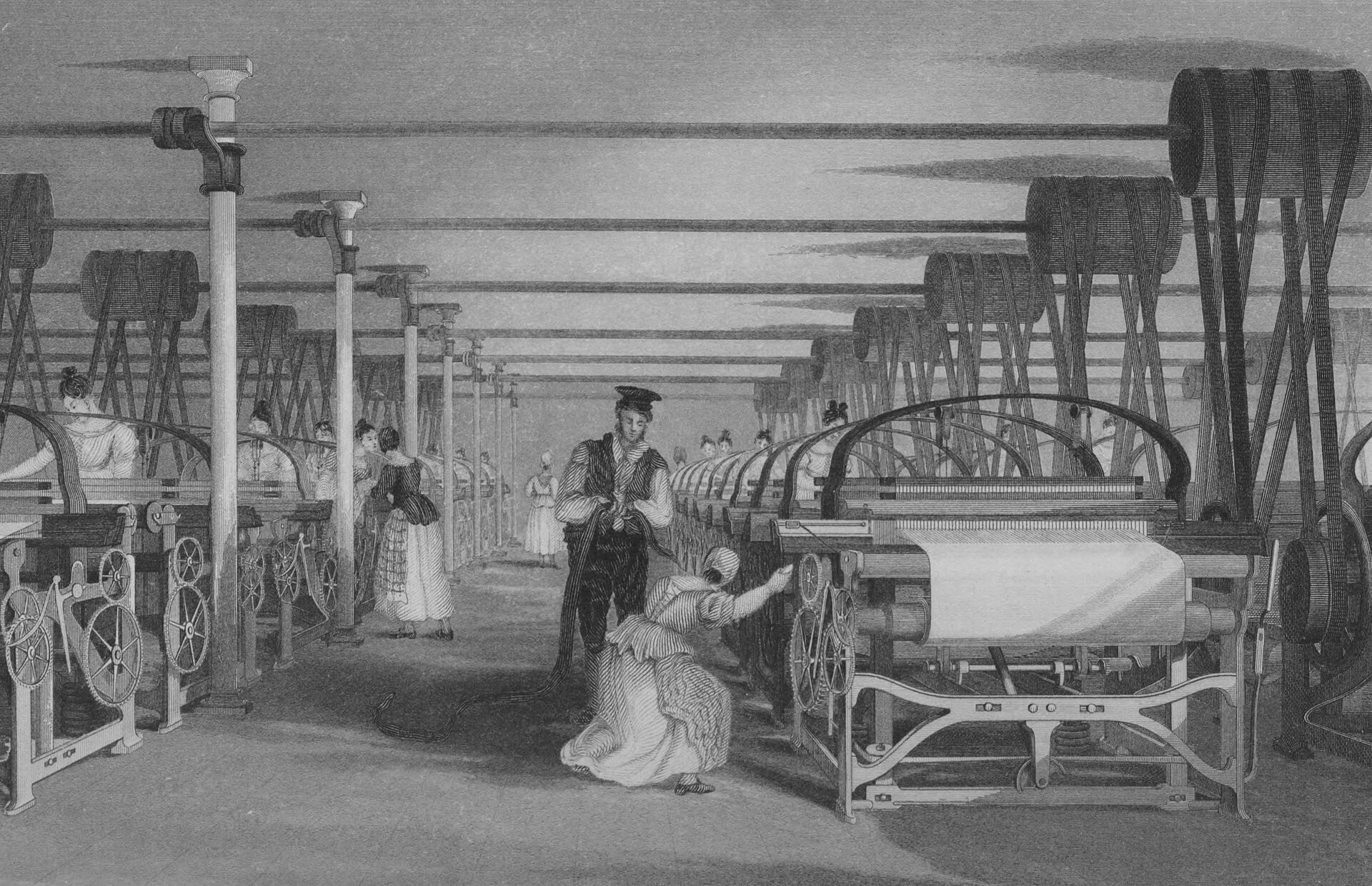
The Industrial Revolution was the transition, beginning in Britain in the late eighteenth century, from making goods by hand to making them with machines in factories. It transformed economies, societies, and daily life more profoundly than almost any change since the invention of farming.
For all of history before, goods had been made slowly by hand, in homes and small workshops. The Industrial Revolution replaced this with machines housed in factories, capable of producing far more, far faster, and far cheaper. It was not a single invention but a wave of them, feeding on one another to reshape the world.
At the heart of the change was the steam engine, perfected by James Watt and others. Burning coal to boil water and drive pistons, it freed factories from the need to sit beside rivers for water power, letting industry rise anywhere. Steam also powered the railways and ships that carried goods and people at unheard of speed.
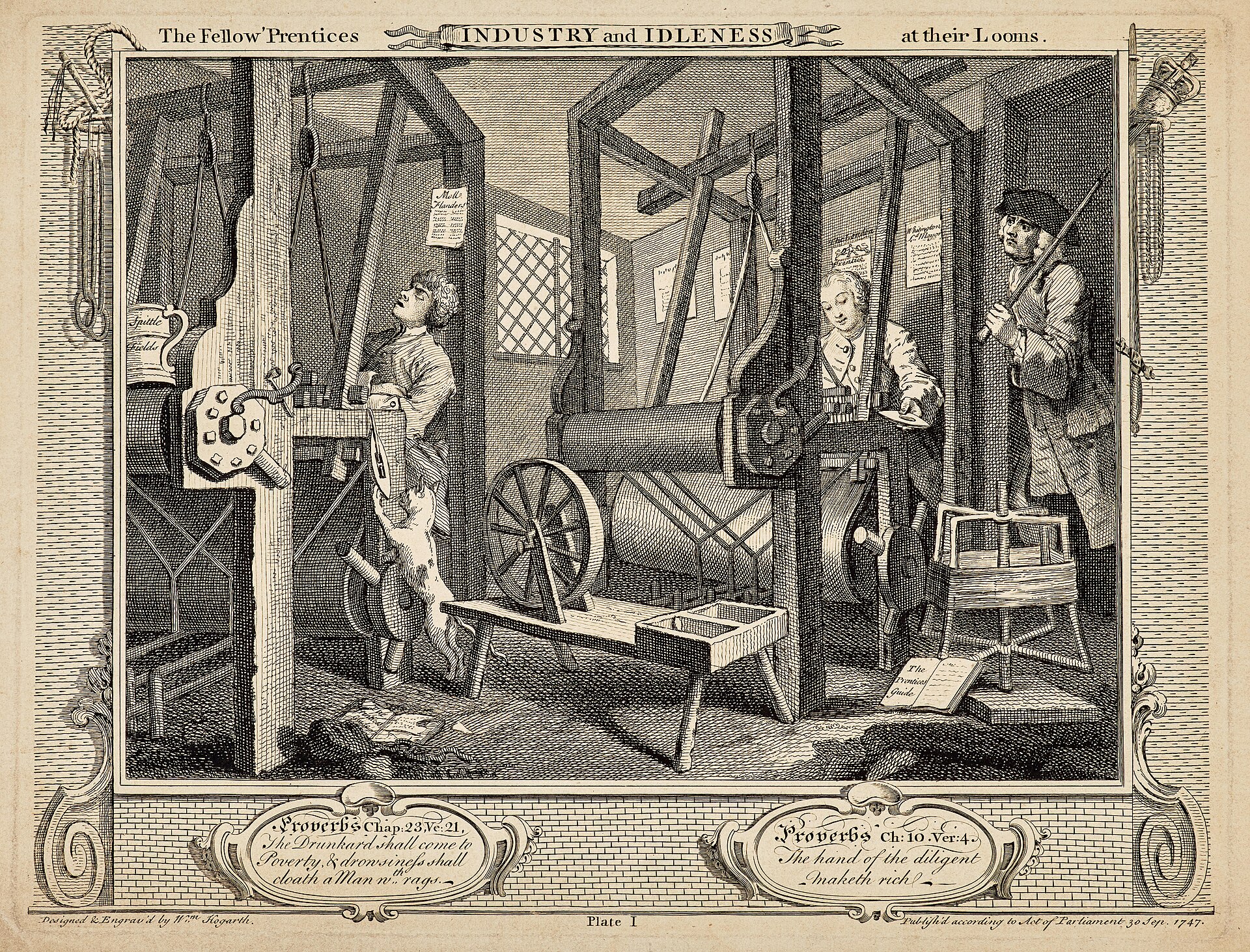
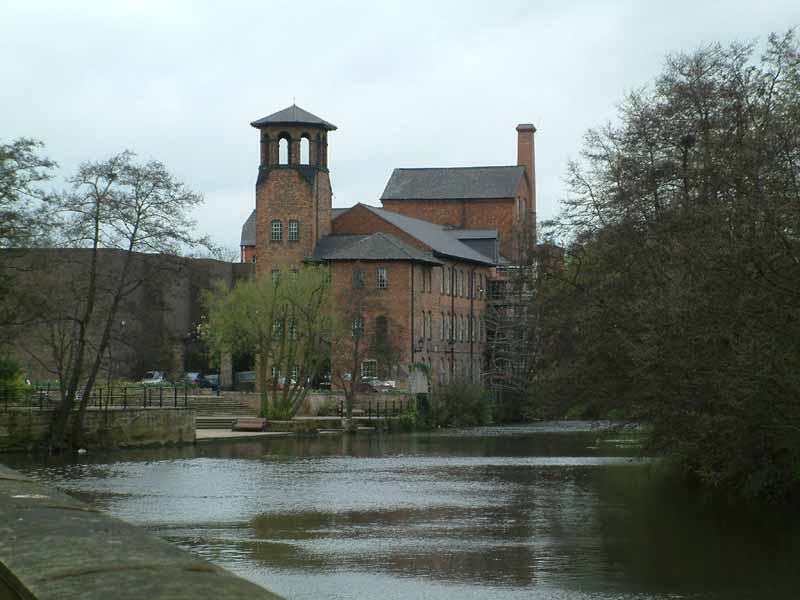
The revolution began in textiles. Spinning and weaving, once slow cottage crafts, were transformed by machines that multiplied output many times over. Cloth that had been precious became cheap and plentiful. The mills that produced it, crowded with machines and workers, became the template for the modern factory.
The factory system gathered workers and machines under one roof, imposing a new discipline of clocks, shifts, and supervision. Labour was divided into simple, repeated tasks. This was hugely productive but also harsh, replacing the rhythms of rural and craft life with the relentless pace of the machine.
Industry was built on iron and coal. New methods produced iron and then steel in vast quantities, the material of machines, bridges, and rails. Coal fuelled it all. From the 1830s, railways spread rapidly, shrinking distances, knitting markets together, and carrying the revolution across nations and continents.
As industry drew people off the land, cities swelled at astonishing speed. Workers crowded into hastily built housing near the mills and mines. These new industrial cities were dynamic and productive but often filthy, overcrowded, and disease ridden, posing problems of public health and order that societies struggled to solve.
For the first time in history, sustained economic growth steadily raised living standards over the long run, and the modern world of mass produced goods began. Yet the early decades brought gruelling conditions, child labour, and great inequality, and the human cost of industrialization fuelled new political movements and demands for reform.
The Industrial Revolution spread from Britain across Europe, North America, and beyond, and later waves brought electricity, chemicals, and the assembly line. It created the industrial, urban, technological world we still live in, and began the rise in fossil fuel use that powers modern life and now drives climate change. Its effects are still unfolding around us.
