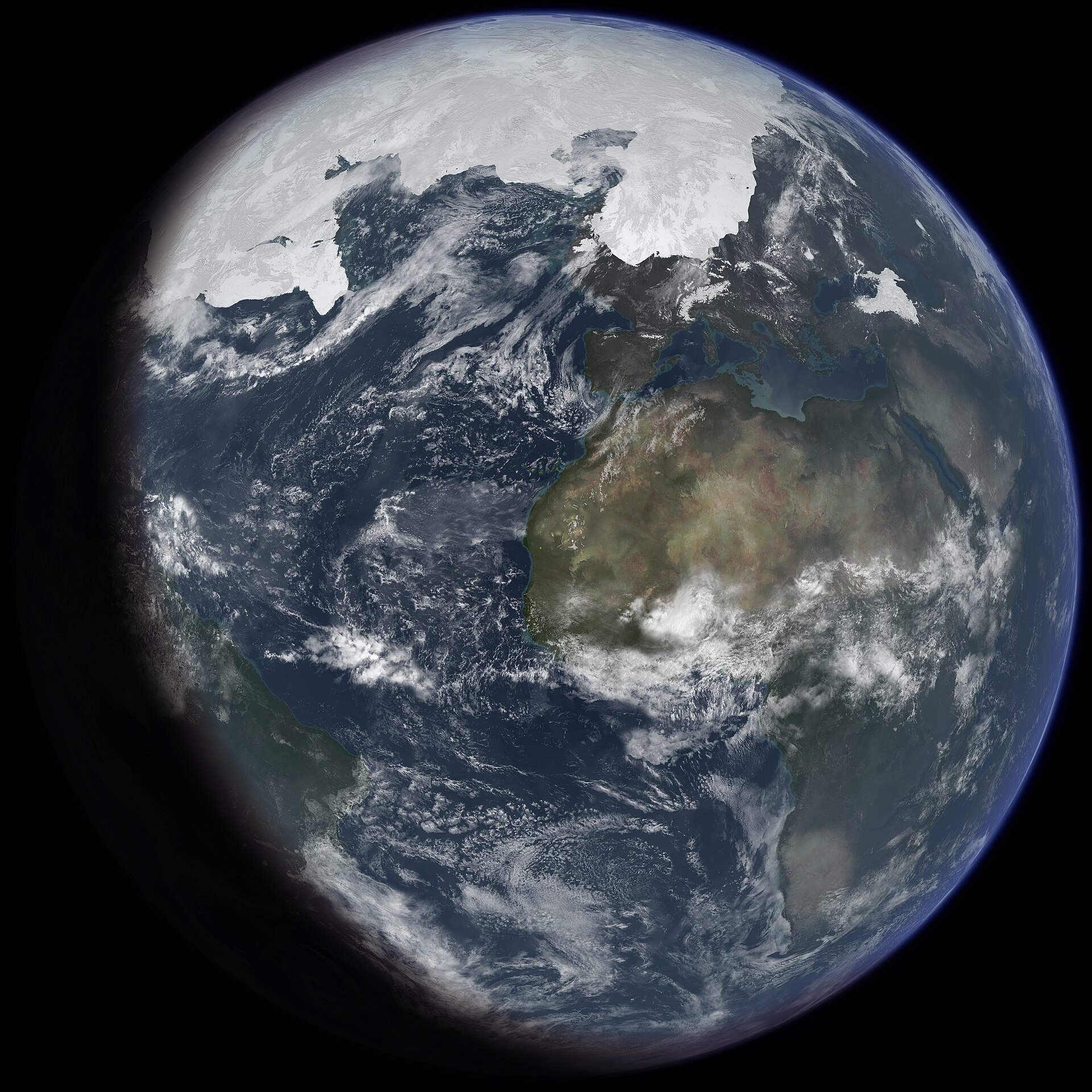
Throughout its history, the Earth has repeatedly cooled into ice ages, when vast sheets of ice spread across the continents, and warmed again between them. That these cycles happen is certain; the precise mix of causes that drives them remains a subject of active scientific debate.
During the most recent ice ages, glaciers buried much of North America, Europe, and Asia under ice kilometres thick. So much water was locked up as ice that sea levels fell dramatically, exposing land bridges between continents. These cold periods alternated with warmer intervals, like the one we live in now.

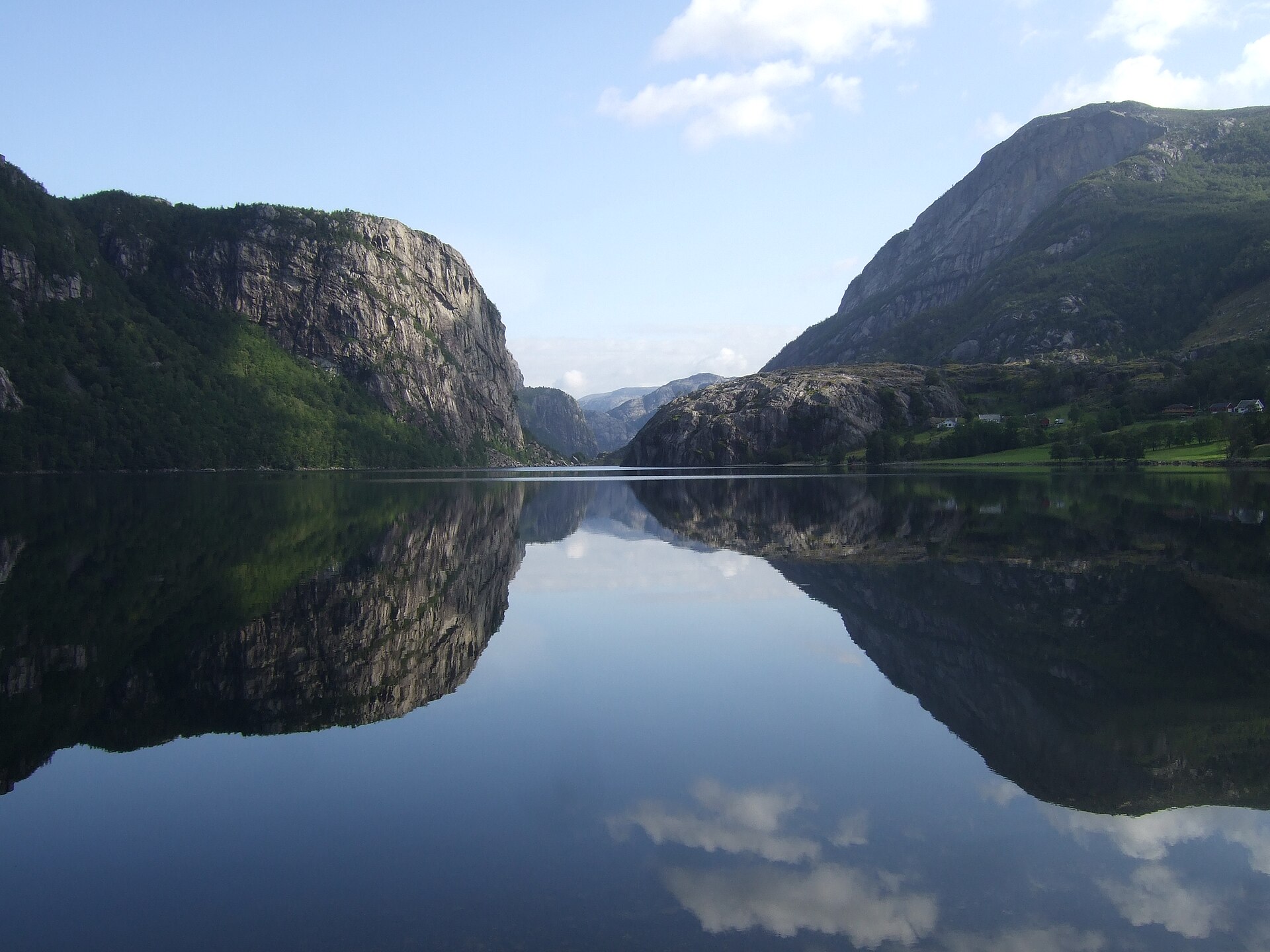
The record of past ice ages is written across the landscape: in rocks scratched and polished by moving ice, in boulders carried far from their source, and in the chemistry of ancient ice cores and ocean sediments. From these clues, scientists have pieced together a long history of advancing and retreating ice.
There have been many ice ages over Earth's long history, separated by tens or hundreds of millions of years, and within the most recent one, glaciers have advanced and retreated dozens of times. We currently live in a relatively warm gap between glacial advances, not in a world free of ice.
The best understood driver is a set of slow, regular changes in Earth's orbit and the tilt of its axis, known as the Milankovitch cycles. These subtly alter how much sunlight reaches different parts of the planet over tens of thousands of years, nudging the climate into and out of ice ages.
As Earth's orbit and tilt slowly shift, the amount of summer sunlight reaching the far north rises and falls. When northern summers are cool, winter snow survives and ice sheets grow; when they are warm, the ice melts back. The timing of past ice ages matches these cycles well enough to suggest they set the rhythm.
Yet the orbital changes alone are far too small to produce the dramatic swings seen in the record. Something must amplify them. This is where the debate sharpens, for the changes in sunlight are gentle, but the resulting shifts between ice age and warm period are enormous.
Scientists debate which feedbacks do the amplifying. Falling carbon dioxide levels deepen the cooling; bright ice reflecting sunlight reinforces it; shifting ocean currents redistribute heat; and dust and changing vegetation play their parts. Disentangling how these factors combine, and which matters most, is genuinely difficult.
Adding to the puzzle, the rhythm of the ice ages itself changed over time, with the dominant cycle shifting from roughly forty thousand to a hundred thousand years for reasons still not fully understood. The broad cause is accepted, but the details of how the ice ages work remain a rich and active field of research.
