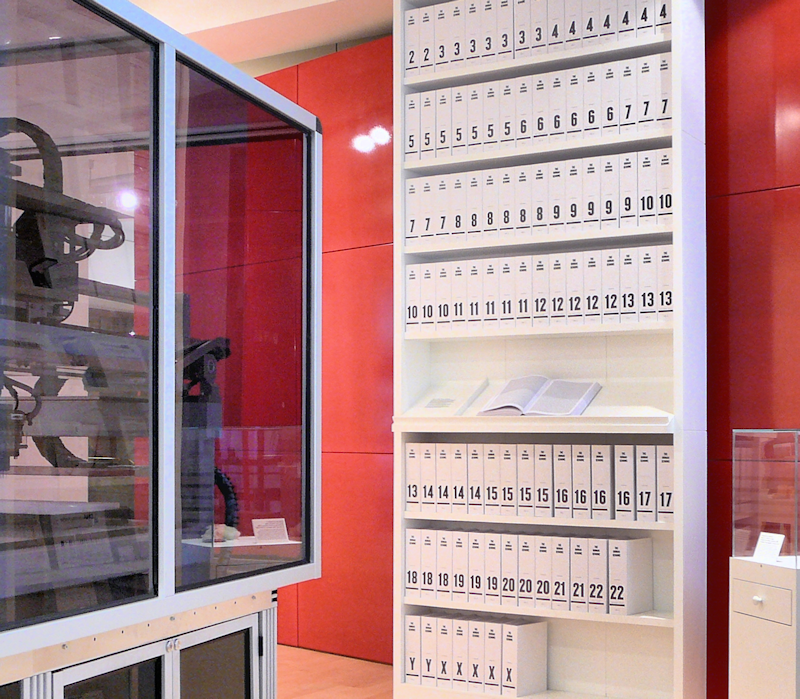
The Human Genome Project was a landmark international effort to map all of the genetic information in a human being. Completed in 2003 after more than a decade of work, it read out the full sequence of human DNA and transformed biology and medicine.
Every cell in the human body contains a vast instruction manual written in DNA, the molecule of heredity. This manual, the genome, is made of about three billion chemical "letters" strung in a precise order. The Human Genome Project set out to determine that order, in effect reading the entire human genome for the first time.
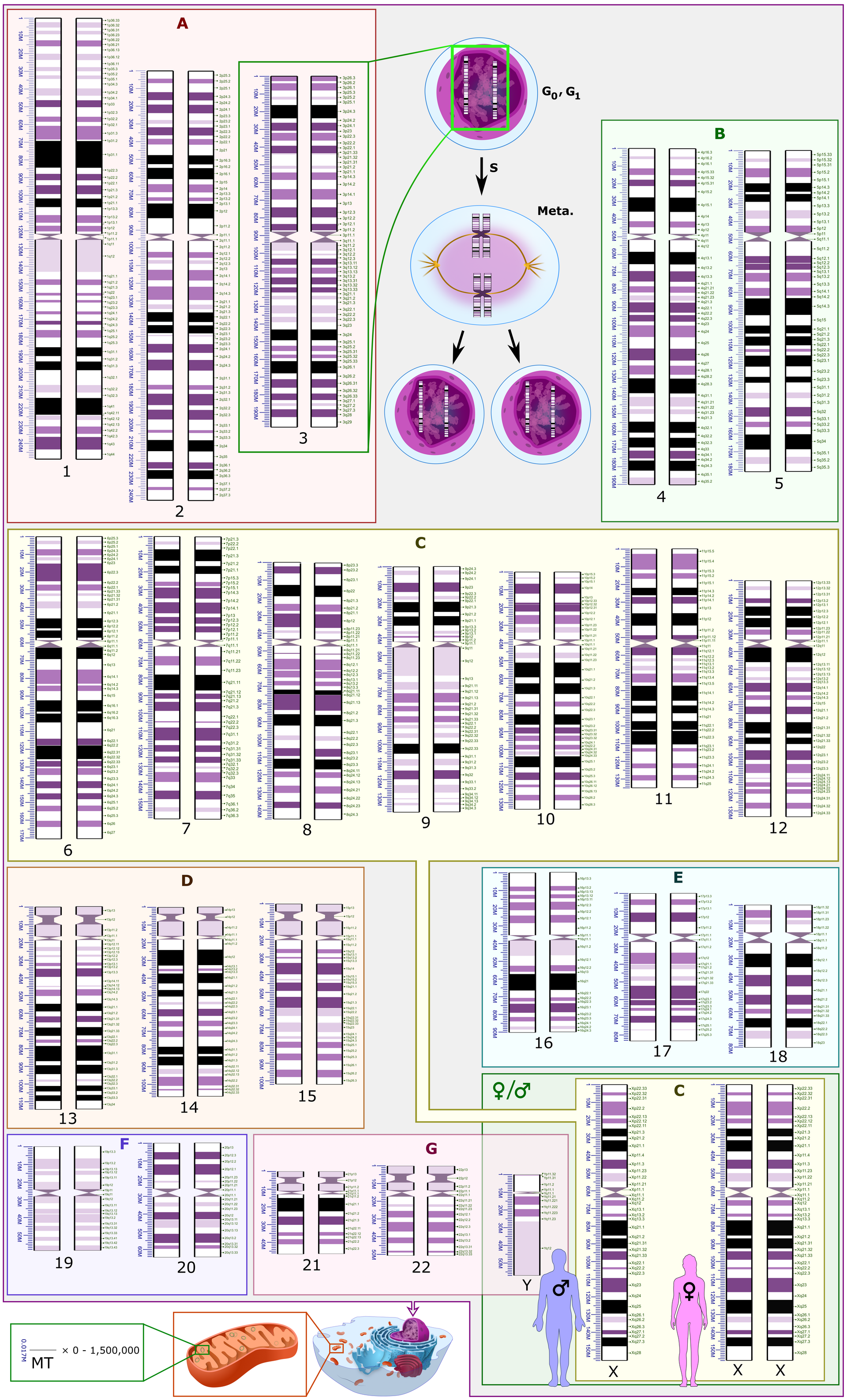
Launched in 1990, the project was one of the largest collaborative scientific endeavours ever attempted, involving thousands of researchers across many countries and costing billions of dollars. It required developing new technologies to read DNA at an unprecedented scale, and it pushed the limits of biology, chemistry, and computing.
The public project was spurred along by a competing private effort, which set out to sequence the genome faster and commercially. The rivalry, sometimes tense, ultimately accelerated the work, and the two sides jointly announced a draft of the human genome in 2000, with the project essentially completed in 2003.
Crucially, the results of the public project were made freely available to scientists everywhere, rather than locked away. This open approach accelerated research around the world, allowing any scientist to draw on the genome, and it set an important precedent for sharing scientific data for the common good.
Among the project's surprises was how few genes humans turned out to have, only around twenty thousand, far fewer than many had expected, and not vastly more than much simpler creatures. This revealed that the complexity of life lies not just in the number of genes but in how they are used and regulated.
The completed genome became a foundational tool for understanding human biology, disease, and ancestry. It opened the way to studying the genetic roots of illnesses, identifying genes linked to particular conditions, and developing treatments aimed at the molecular causes of disease rather than just its symptoms.
By revealing the genetic basis of how people differ, the project helped launch the era of personalized medicine, in which treatments can be tailored to a patient's individual genetic makeup. Knowing a person's genes can help predict their risks, choose the right drugs, and avoid harmful side effects.
Since the project, the cost of sequencing a human genome has plummeted from billions of dollars to a few hundred, and reading DNA has become fast and routine. This has opened a new age of genetic discovery, enabling technologies like gene editing and transforming research, medicine, and our understanding of life itself.
