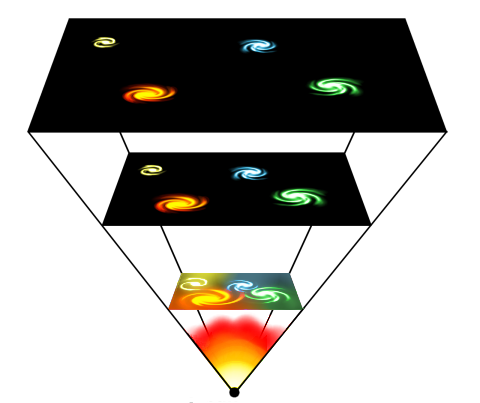
The ultimate fate of the universe is one of the deepest questions in science. Cosmologists have proposed several very different endings, and which one awaits us is genuinely uncertain, depending on the nature of forces we do not yet fully understand.
The universe has been expanding ever since the Big Bang, with galaxies on average moving apart. How it ends depends on what this expansion does over the vast stretches of time to come: whether it continues forever, slows and reverses, or even accelerates without limit. The answer shapes every possible fate.
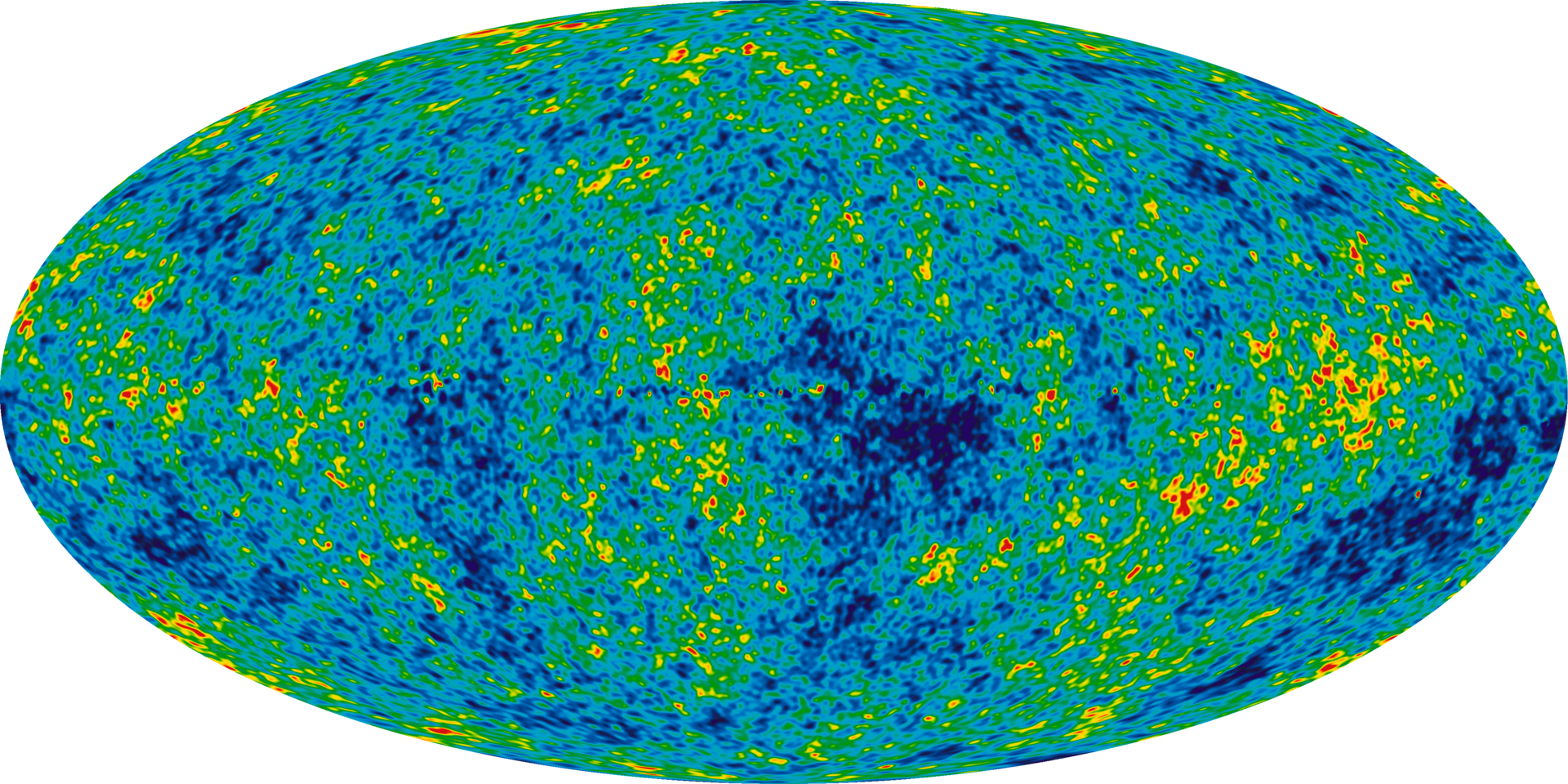
In recent decades astronomers discovered that the expansion is not slowing but speeding up, driven by a mysterious "dark energy" that makes up most of the cosmos. Because we do not know what dark energy is, or whether it stays constant, strengthens, or fades, we cannot be sure how the story ends.
In the most favoured scenario, the "Big Freeze" or heat death, the universe keeps expanding forever. Over unimaginable spans of time, stars burn out, galaxies fade, and matter itself slowly decays, until nothing is left but a thin, cold, dark soup of particles drifting ever farther apart, with no usable energy remaining.
In the "Big Crunch," gravity eventually wins. If the expansion were one day to halt and reverse, everything would fall back together, galaxies colliding and the whole cosmos collapsing into a final, fiery, compressed state, perhaps even bouncing into a new beginning. Current evidence makes this ending unlikely, but not impossible.
In the dramatic "Big Rip," dark energy grows ever stronger over time. It would first tear apart clusters of galaxies, then individual galaxies, then solar systems, and finally, in the last moments, rip apart stars, planets, and even atoms themselves, shredding the fabric of the universe.
Physicists have imagined even stranger ends, such as a "vacuum decay," in which a bubble of a more stable state of space could form and spread at the speed of light, rewriting the laws of physics as it goes. Such ideas are speculative, but they show how much remains unknown.
Choosing between these fates requires knowing the precise behaviour of dark energy and the overall contents and geometry of the universe, which are still being measured. Current evidence favours an endless expansion and a slow heat death, but the data cannot yet rule out the alternatives.
The timescales involved, trillions of years and far beyond, dwarf the present age of the cosmos, so whatever the answer, it lies inconceivably far in the future. For now, how it all ends remains one of science's grandest open questions, a humbling reminder of how much we have yet to learn.
