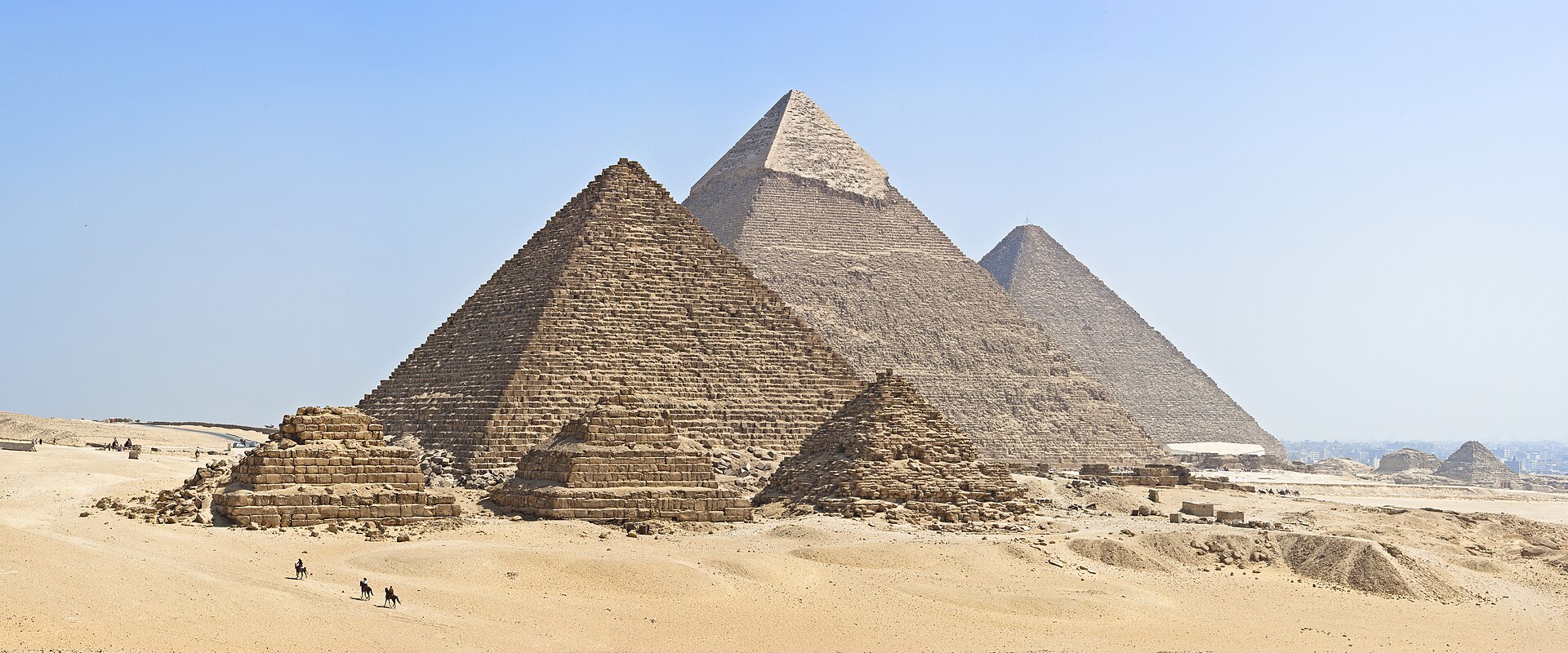
The Great Pyramids of Egypt are among the most astonishing structures ever built, yet exactly how the ancient Egyptians raised them, with millions of massive stone blocks and simple tools, remains a genuinely debated question.
The Great Pyramid of Giza, built around 4,500 years ago, contains roughly 2.3 million stone blocks, many weighing several tonnes, stacked with remarkable precision to a height of nearly 150 metres. For thousands of years it was the tallest structure made by human hands, and it remains a wonder of engineering.
What makes the feat so astonishing is the simplicity of the means. The Egyptians built the pyramids without iron tools, without wheels for heavy hauling, and without pulleys, using copper tools, stone, wood, rope, and human muscle. That so much was achieved with so little is the heart of the puzzle.
It is now well established that the pyramids were built not by slaves, as legend long held, but by a large, organized workforce of paid labourers. Archaeologists have found their settlements, bakeries, and tombs nearby. These were skilled, fed, and housed workers, drawn from across Egypt, who took pride in the great project.
Much is understood about how the stone was obtained and moved. The blocks were cut from quarries, some nearby and some far up the Nile, and transported by boat and along canals. Records and discoveries have shed light on how blocks were hauled on sledges, perhaps over sand wetted to reduce friction.
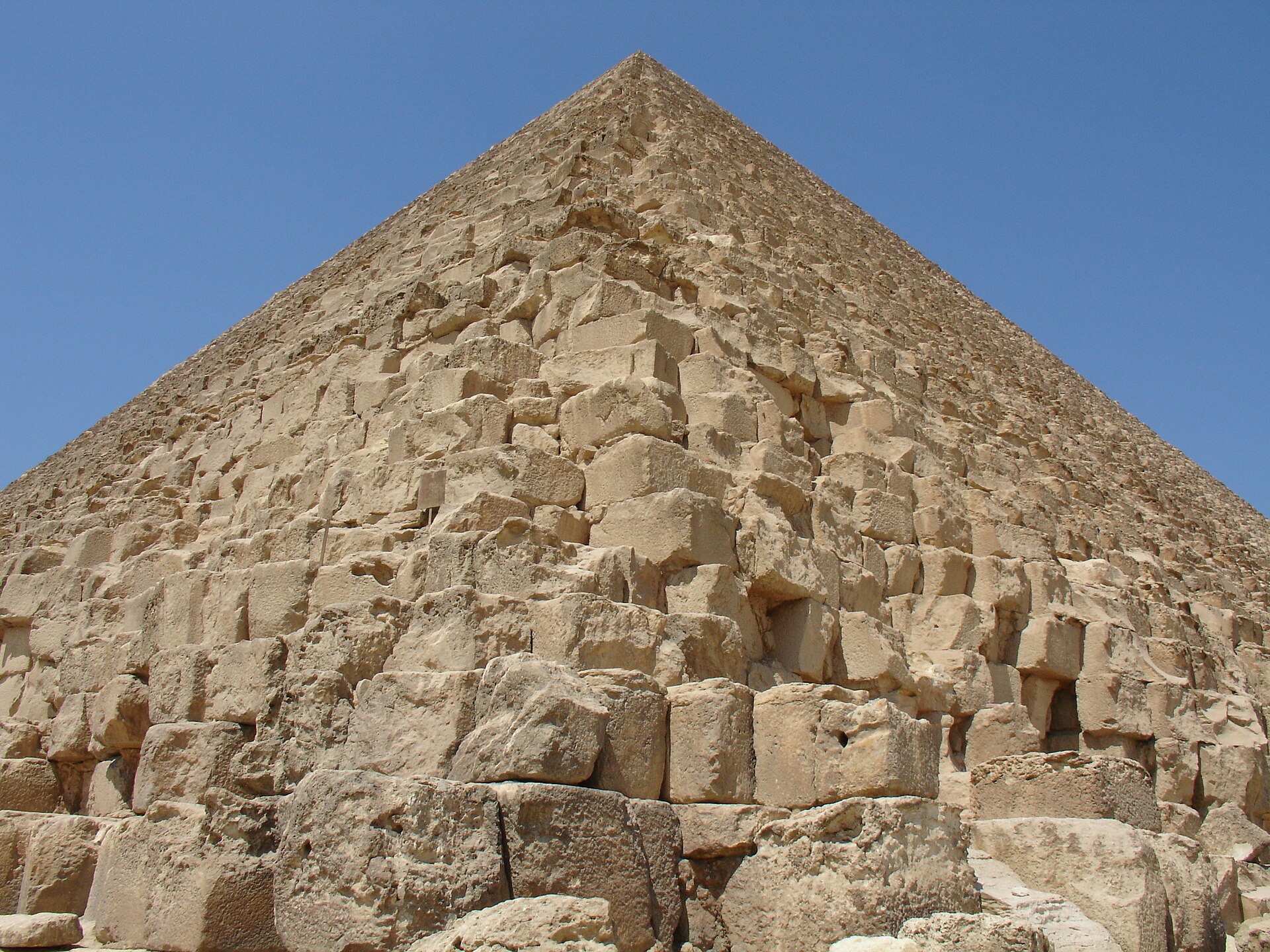
The fierce debate is over exactly how the heavy blocks were lifted into place as the pyramid rose ever higher. The leading idea is some system of ramps, up which the blocks were dragged. But the shape and arrangement of these ramps is disputed, and this is where theories sharply diverge.
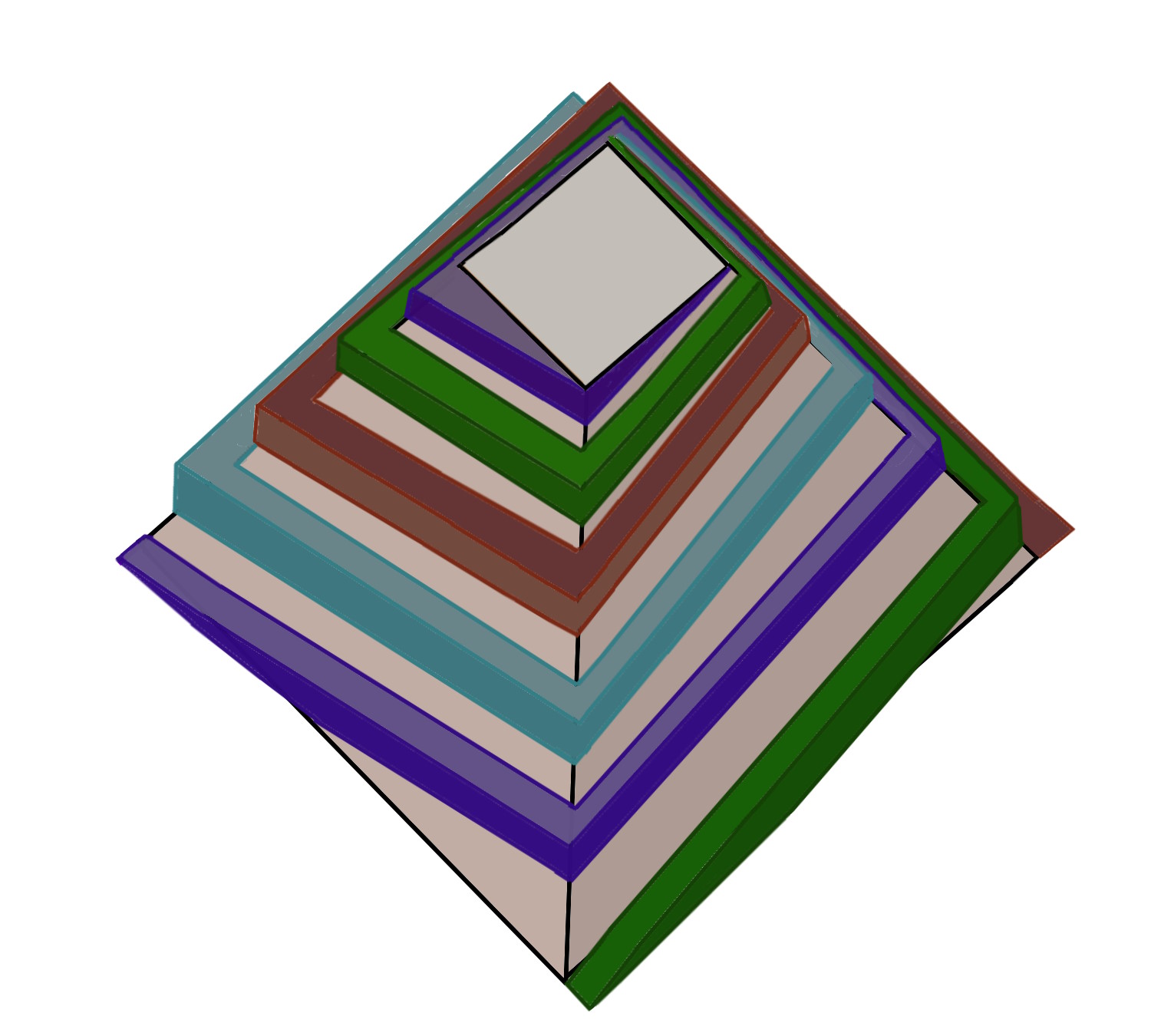
Several ramp designs have been proposed. A single long straight ramp would have to be enormous and would block the work. A ramp spiralling up around the outside of the pyramid would be hard to use at the corners. Some suggest an internal ramp hidden within the pyramid itself. Each idea has its champions and its problems.
Every ramp theory faces practical objections, about the colossal volume of material a ramp would need, the difficulty of turning corners with heavy loads, or the angle at which blocks could be dragged. Compounding the problem, little direct evidence of the ramps survives, since they would have been dismantled once the work was done.
New discoveries, such as ancient records of how blocks were transported, continue to refine the picture, and most experts favour some combination of ramps and clever techniques. But no single explanation has won universal acceptance. The broad story is clear, yet the precise engineering behind the pyramids remains genuinely contested.
