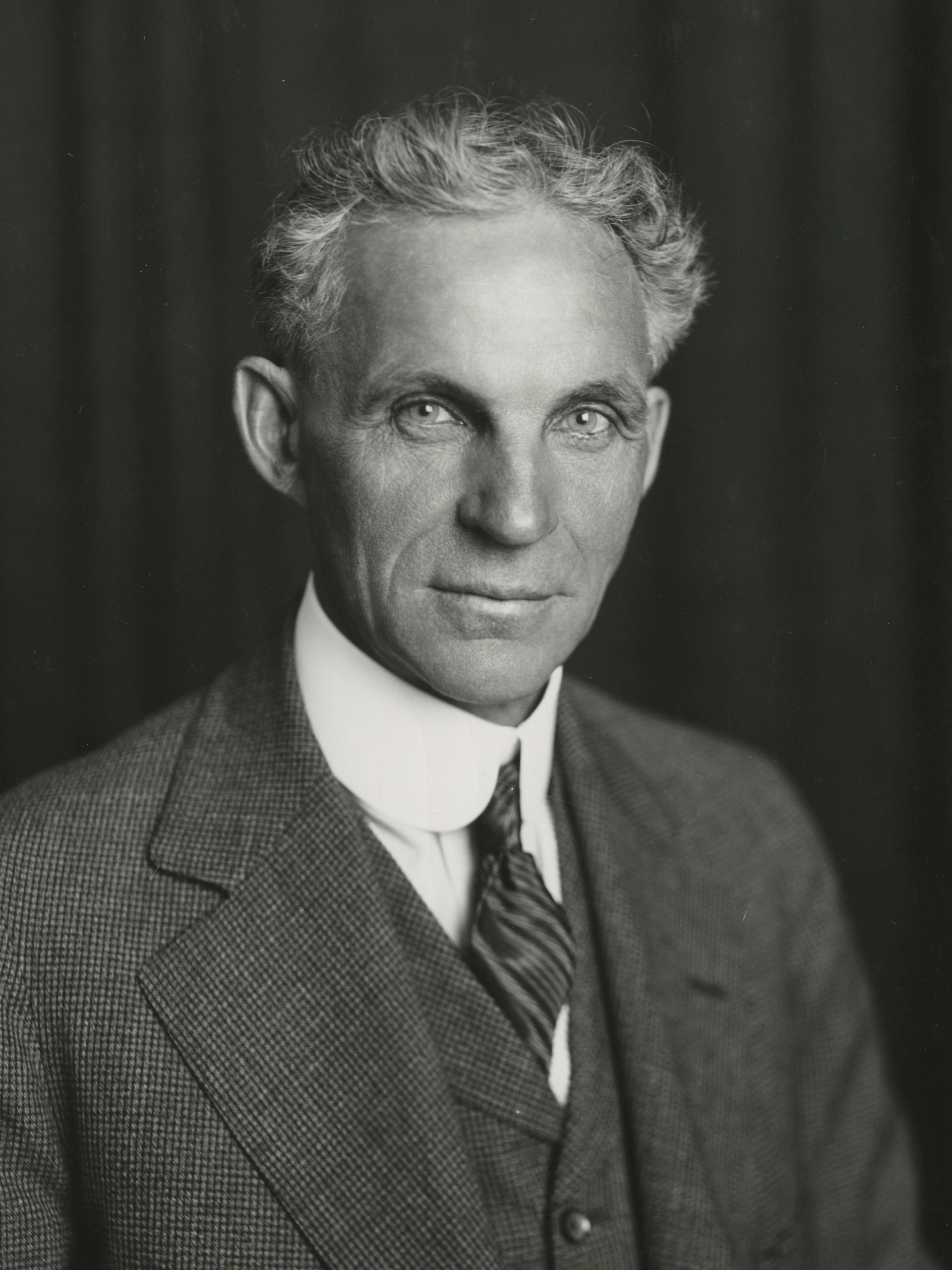
Henry Ford was an American industrialist who founded the Ford Motor Company and revolutionized manufacturing with the moving assembly line. Born in 1863 on a Michigan farm, he did more than perhaps anyone to make the automobile affordable for ordinary people.
Ford disliked farm labor but loved machinery, dismantling and reassembling watches as a boy and earning a local reputation for fixing them. The pull of mechanical things drew him off the farm and toward the workshops of nearby Detroit.
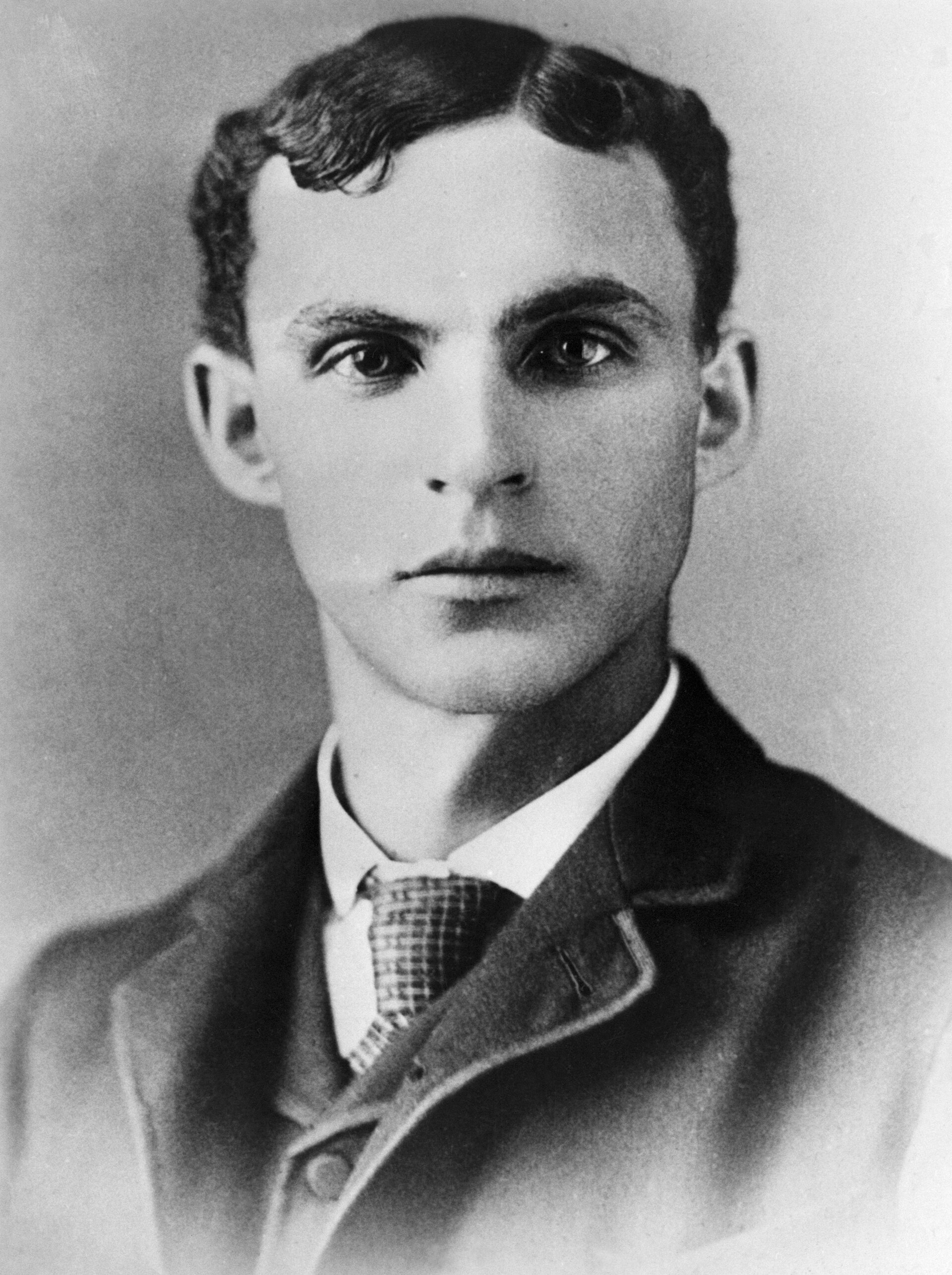
As a young man Ford worked as a machinist and then as an engineer for the Edison Illuminating Company, rising to chief engineer while building his first experimental automobile, the Quadricycle, in a small workshop in his spare time.
After early ventures failed, Ford founded the Ford Motor Company in 1903 with a group of investors. He was determined to build not a luxury toy for the rich but a sturdy, affordable car for the common man.
Ford introduced the Model T in 1908, a simple, durable car priced within reach of ordinary families. It was a runaway success, and over nearly two decades the company sold many millions of them, putting America on wheels.
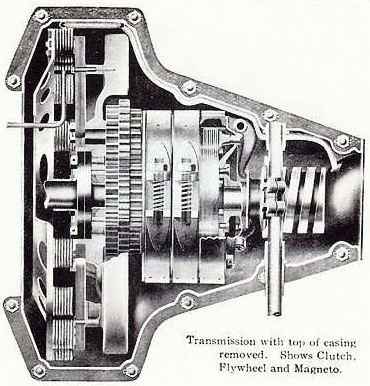
To build the Model T cheaply, Ford perfected the moving assembly line, in which the car moved past stationary workers who each performed a single task. The innovation slashed the time to build a car from many hours to about ninety minutes, and the price fell along with it.
In 1914 Ford stunned industry by doubling wages to five dollars a day and shortening the workday. The move reduced punishing worker turnover and was widely credited with helping create a prosperous industrial middle class that could afford the very products it made.
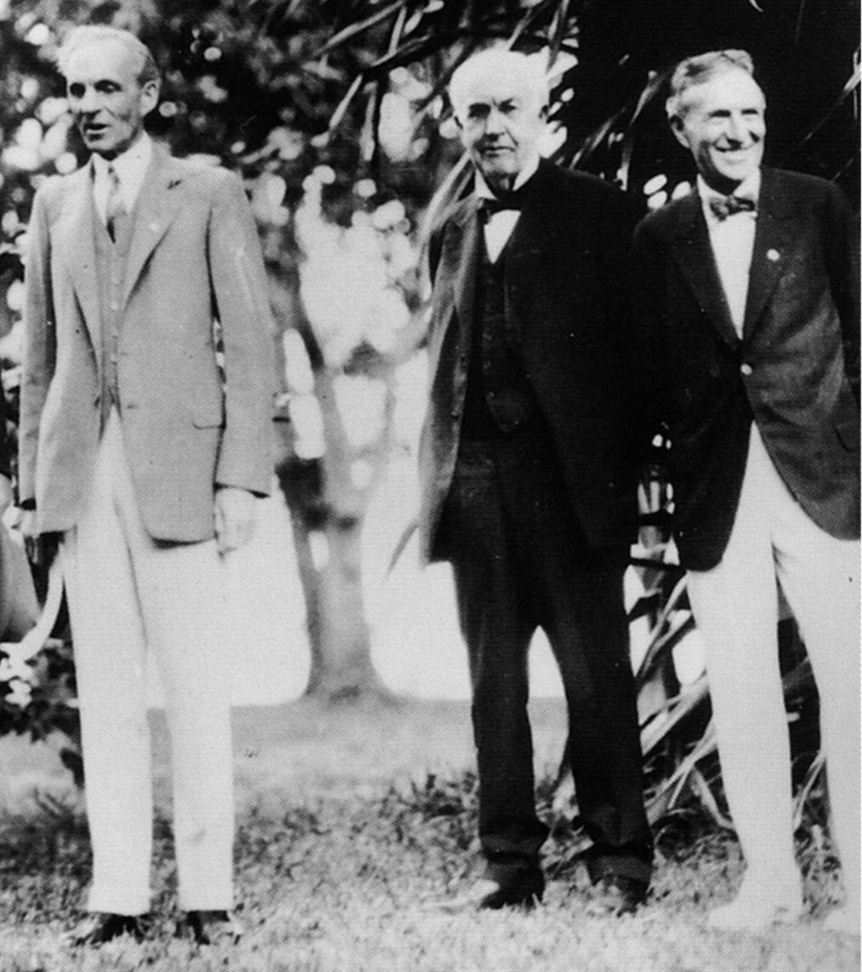
Ford's legacy carries a serious stain. In the 1920s he owned a newspaper, the *Dearborn Independent*, that published a long series of antisemitic articles, later collected as a book that was circulated internationally and praised by extremists abroad. This record of antisemitism is well documented and is an inseparable part of any honest account of his life.
Ford resisted change in his later years, clinging to the aging Model T until competitors forced a redesign, and he clashed bitterly with the unions that organized his plants. He handed control of the company to his grandson before his death in 1947.
