The hard problem of consciousness is the question of why and how physical processes in the brain give rise to subjective experience, the felt quality of what it is like to see red, taste coffee, or feel pain. It is one of the deepest unresolved problems at the meeting point of science and philosophy, and there is no consensus on how, or even whether, it can be solved.
Neuroscience has made enormous progress mapping which patterns of brain activity accompany which mental states. Researchers can identify the neural signatures of seeing a face, feeling fear, or making a decision, and can sometimes predict from a brain scan what a person is experiencing.
These mapping tasks are what the philosopher David Chalmers called the easy problems, easy not because they are simple, but because we know in principle how to attack them. Explaining how the brain processes information, directs attention, controls behavior, and reports on its own states are all, in this sense, tractable scientific problems, however hard in practice.
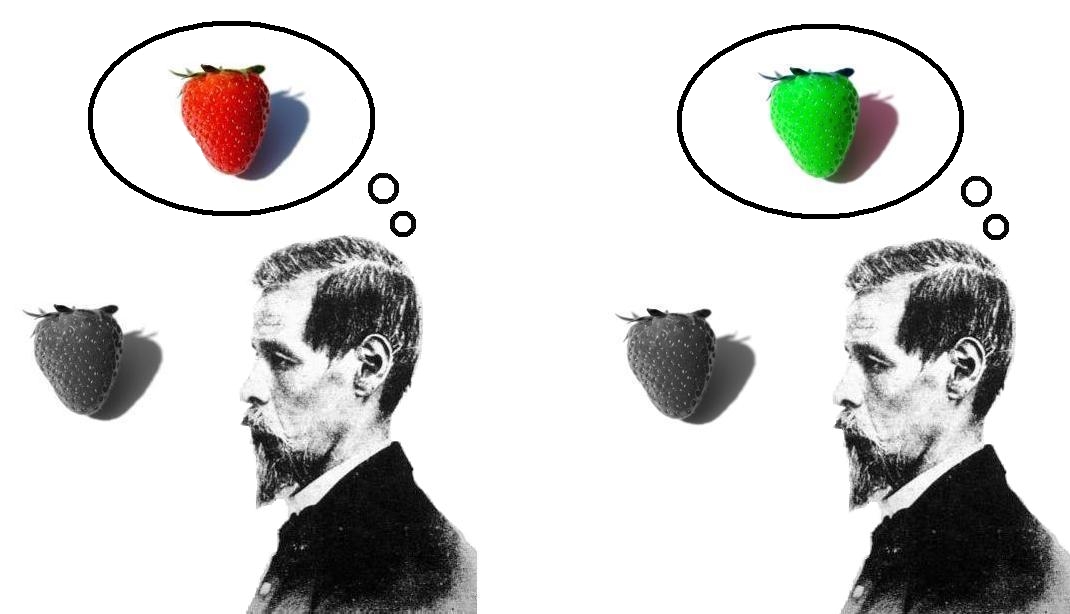
The hard problem, which Chalmers named in 1995, is different in kind. Even a complete, neuron by neuron account of the brain would not obviously explain why all that processing is accompanied by an inner experience at all, rather than going on silently in the dark, as it presumably does inside a calculator.
Why does it feel like something to be a human brain? Ordinary scientific explanation works by describing structure and function, what something is made of and what it does. But subjective experience seems to be neither structure nor function: one can imagine all the same functions being performed with no inner feeling accompanying them, which is exactly why the problem seems to escape the usual methods.
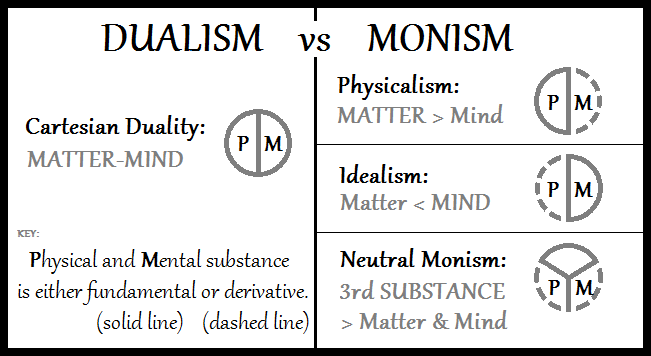
Proposed answers range widely and conflict sharply. Some thinkers expect consciousness will eventually be explained by neuroscience like any other natural phenomenon. Others argue it will require genuinely new physics, or that subjective experience is a fundamental feature of reality woven in alongside matter and energy, or even that the hard problem is a kind of conceptual illusion that will dissolve on closer inspection.
With brilliant people defending each of these positions, and no experiment yet able to decide between them, the question remains genuinely and deeply contested. It touches not only neuroscience and philosophy but also how we think about animals, machines, and the possibility of artificial minds, making it one of the most consequential open problems in science.
