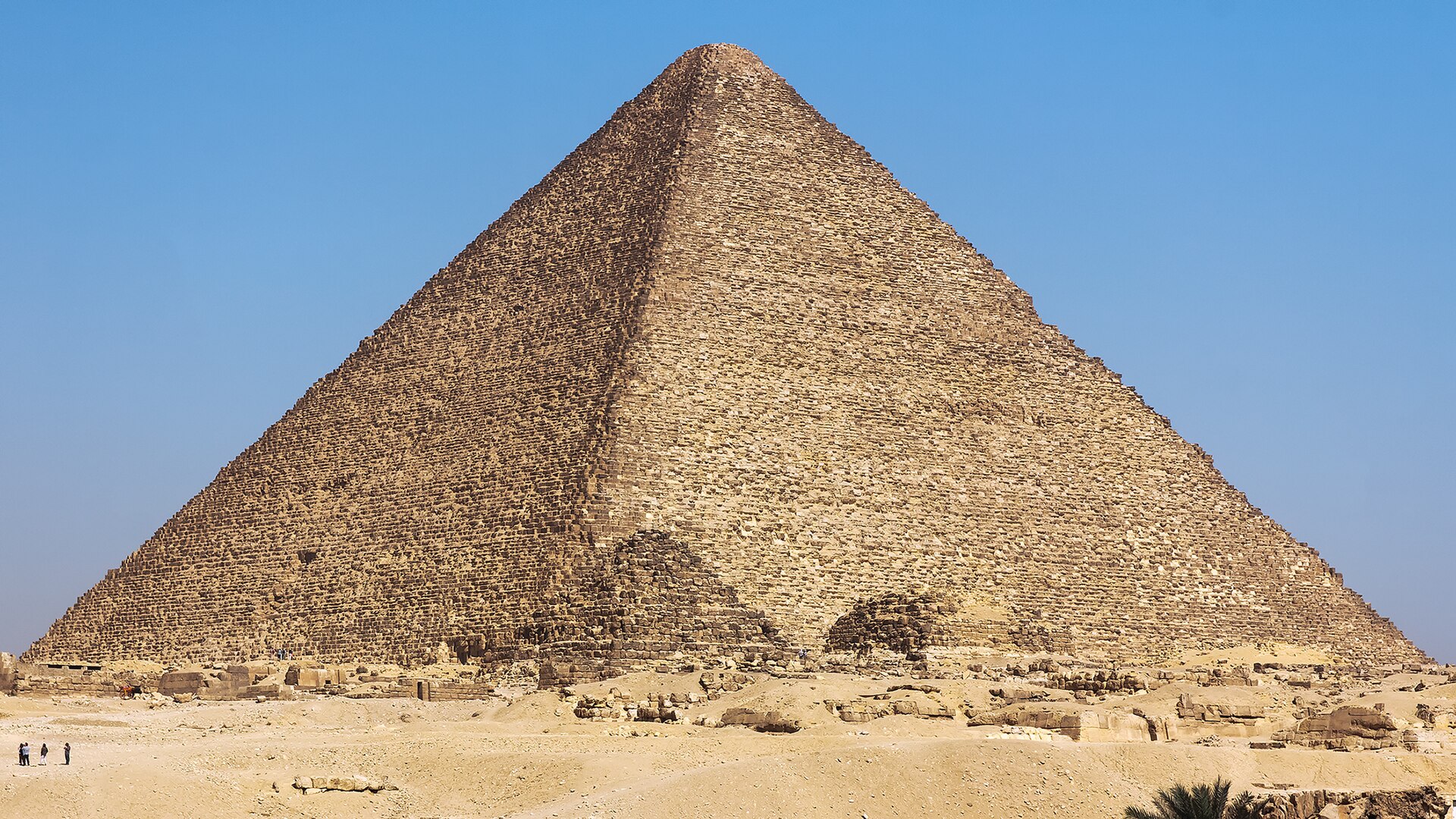
The Great Pyramid of Giza is the largest of the Egyptian pyramids and the oldest of the Seven Wonders of the Ancient World, and the only one still standing. Built more than 4,500 years ago as a tomb for the pharaoh Khufu, it remained the tallest human-made structure on Earth for nearly four thousand years.
The Great Pyramid was originally about 146 metres tall, though the loss of its smooth outer casing and capstone has reduced it slightly. It is built from roughly 2.3 million blocks of stone, most weighing several tonnes, fitted together with astonishing precision. Its square base is almost perfectly level and its sides are aligned remarkably closely to the points of the compass, a feat of planning and surveying that still impresses engineers today.
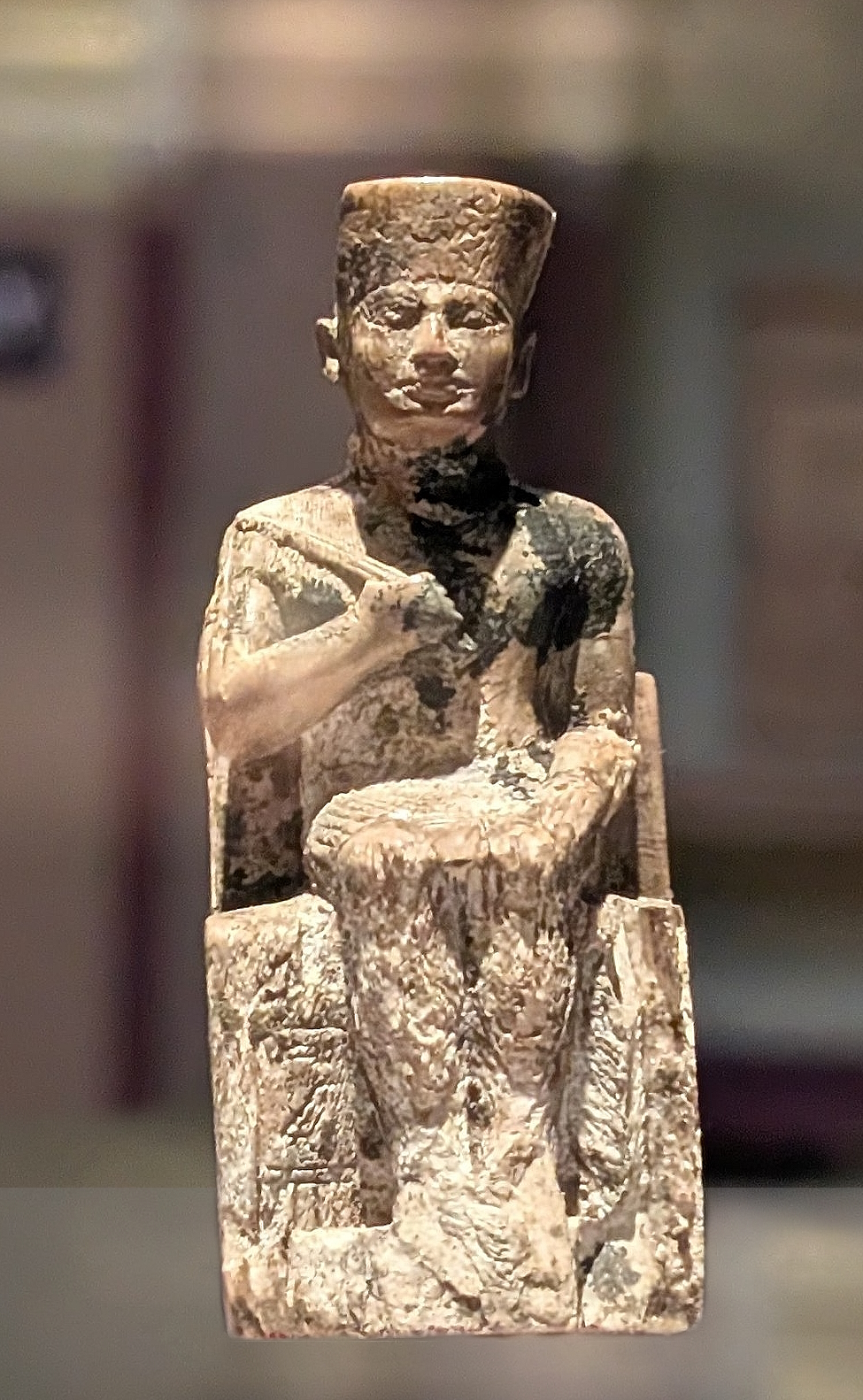
The pyramid was built for Khufu, a king of Egypt's Fourth Dynasty who reigned in the twenty-sixth century BC. Ironically, while his tomb is the grandest structure of the ancient world, the only certain depiction of Khufu himself is a tiny ivory statuette just a few centimetres high.
Exactly how the ancient Egyptians raised the pyramid is still debated, but the broad picture is clear. It was a state project of enormous scale, carried out not by enslaved masses as legend long held, but largely by paid, organised crews of skilled workers and seasonal labourers, housed and fed in a nearby workers' town that archaeologists have excavated. Stone was quarried locally and floated in from afar, and the blocks were almost certainly hauled up earthen ramps.
Much of what we know about who built the pyramid, and when, comes from marks the workers left behind. Crews daubed their gang names and the king's name on the stones, and seals and inscriptions tie the monument firmly to Khufu's reign, countering the wilder theories about its origins.
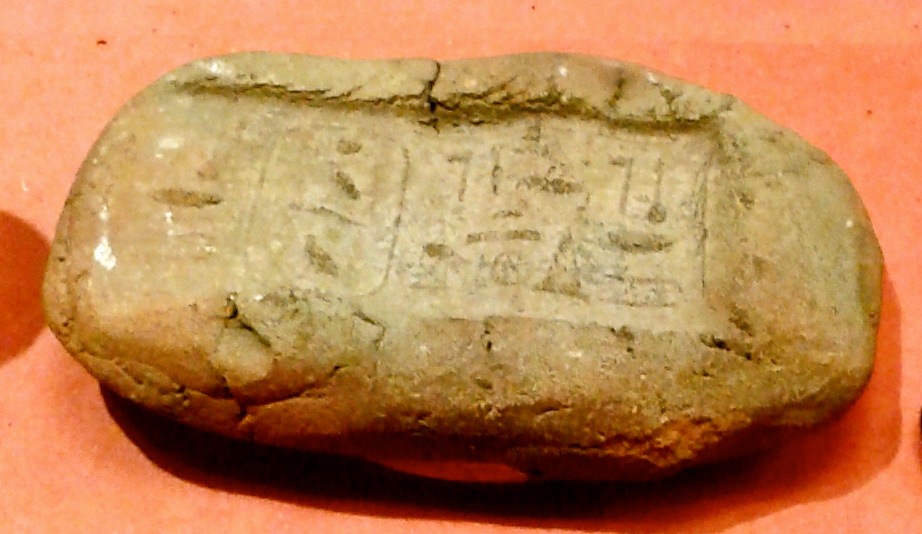
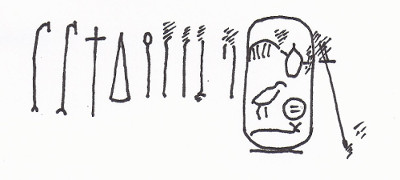
Deep inside the structure, above the burial chamber, workers scrawled Khufu's royal name in red paint, sealed away where it was never meant to be seen. Its discovery was powerful confirmation of who the pyramid was built for.
The pyramid was the centrepiece of a larger complex and was built to ensure Khufu's passage into the afterlife. Inside, a series of passages leads to chambers, including the King's Chamber with its great granite sarcophagus. The Egyptians' beliefs about death, the cosmos, and the divine kingship of the pharaoh were written into the pyramid's very design and orientation, making it as much a religious statement as an engineering one.
For thousands of years the Great Pyramid, together with its neighbours and the Great Sphinx, has stunned all who see it, from ancient Greek and Roman tourists to the millions who visit today. It has inspired endless study and no shortage of myth, but the truth needs no embellishment: a 4,500-year-old mountain of precisely cut stone, built by a society at the dawn of recorded history, still standing on the edge of the desert outside modern Cairo.
