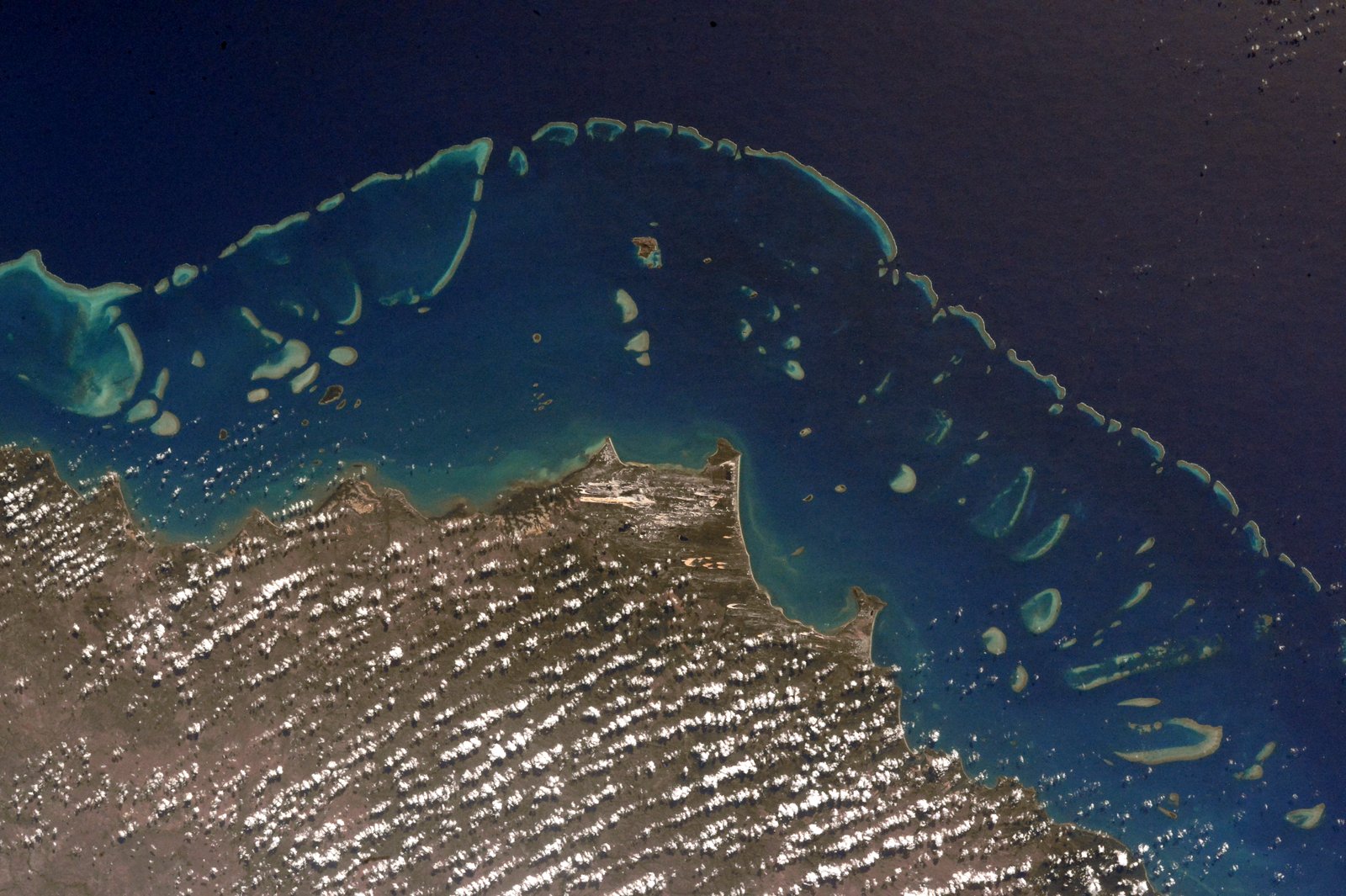
The Great Barrier Reef is the world's largest coral reef system, stretching more than 2,300 kilometres along the north-east coast of Australia. So large that it can be seen from space, it is made up of nearly 3,000 individual reefs and hundreds of islands, and it is the biggest structure on Earth built by living organisms.
A coral reef is the work of corals, small, soft-bodied animals related to sea anemones that live in vast colonies and secrete hard skeletons of calcium carbonate. Generation upon generation builds on the limestone left by those before, and over thousands of years these skeletons accumulate into reefs.
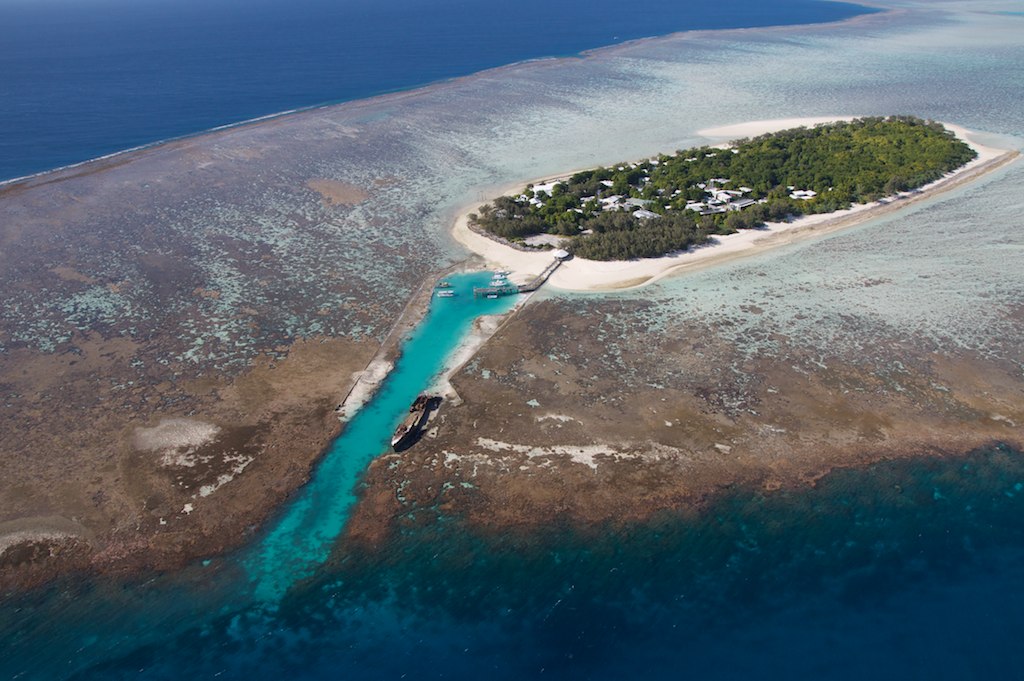
Reef-building corals depend on a remarkable partnership with microscopic algae that live inside their tissues, harvesting sunlight and providing much of the corals' food and their colour. This is why reefs thrive only in clear, warm, sunlit waters, and why the breakdown of that partnership, when the algae are lost, is so dangerous to the whole system.
The reef is one of the richest ecosystems on the planet. It is home to more than 1,500 species of fish, hundreds of kinds of coral, and a profusion of molluscs, sponges, turtles, rays, sharks, dolphins, and seabirds, including threatened species such as the dugong and the green sea turtle. This staggering biodiversity, packed into a fraction of the ocean's area, is why coral reefs are often called the rainforests of the sea.
The reef is so vast that it forms a distinct feature on the face of the planet, its pale ribbons of coral tracing the Australian coast. Seen from above, the thousands of separate reefs, channels, and sandy cays reveal the sheer scale of what countless tiny animals have built over millennia.
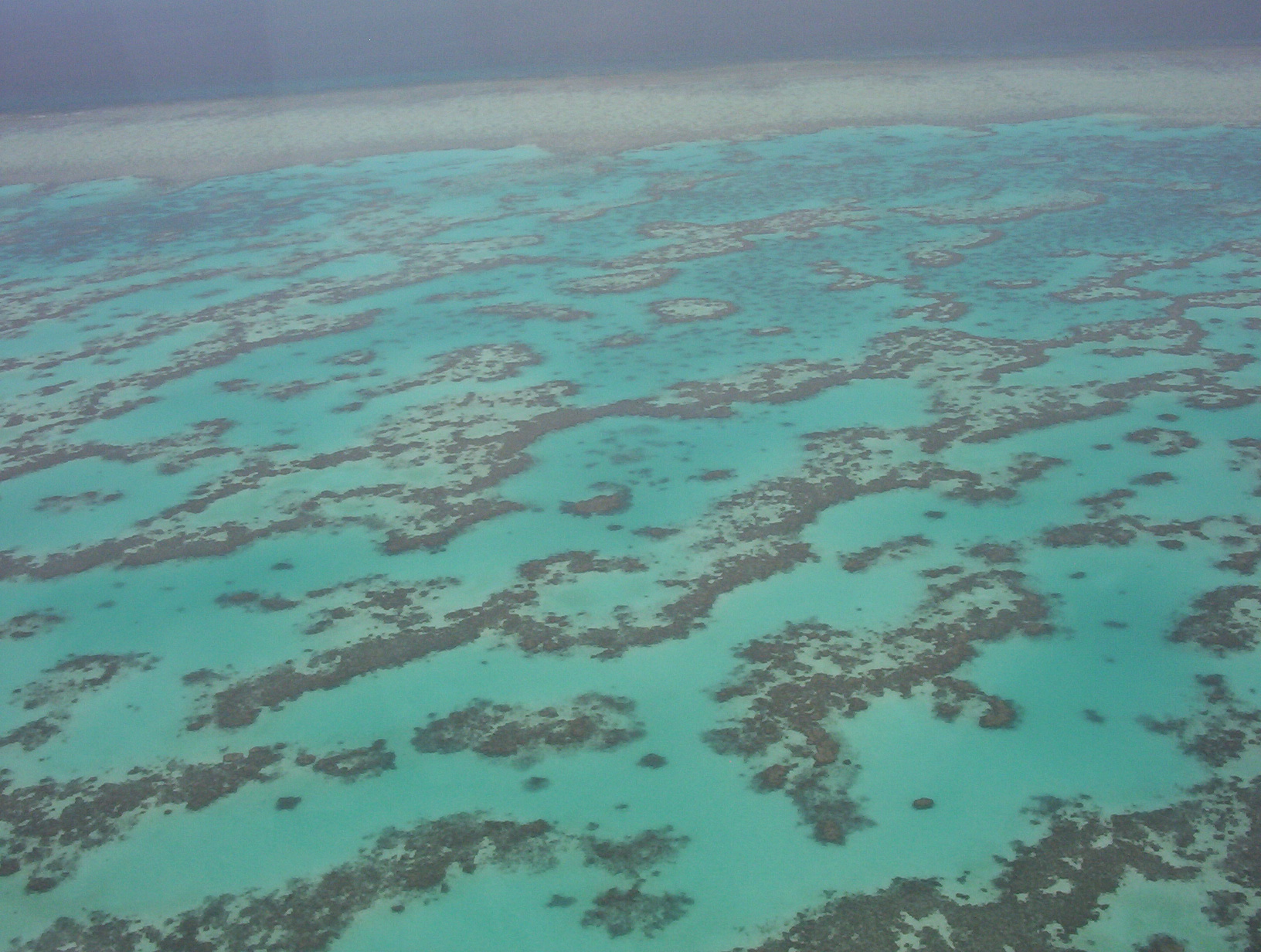
The reef faces serious and growing dangers, the gravest of which is climate change. When sea temperatures rise too high, stressed corals expel their algae and turn white, a process called bleaching that can kill them if conditions do not recover. The reef has suffered several mass bleaching events in recent years. It is also threatened by ocean acidification, pollution and sediment running off the land, and outbreaks of the coral-eating crown-of-thorns starfish.
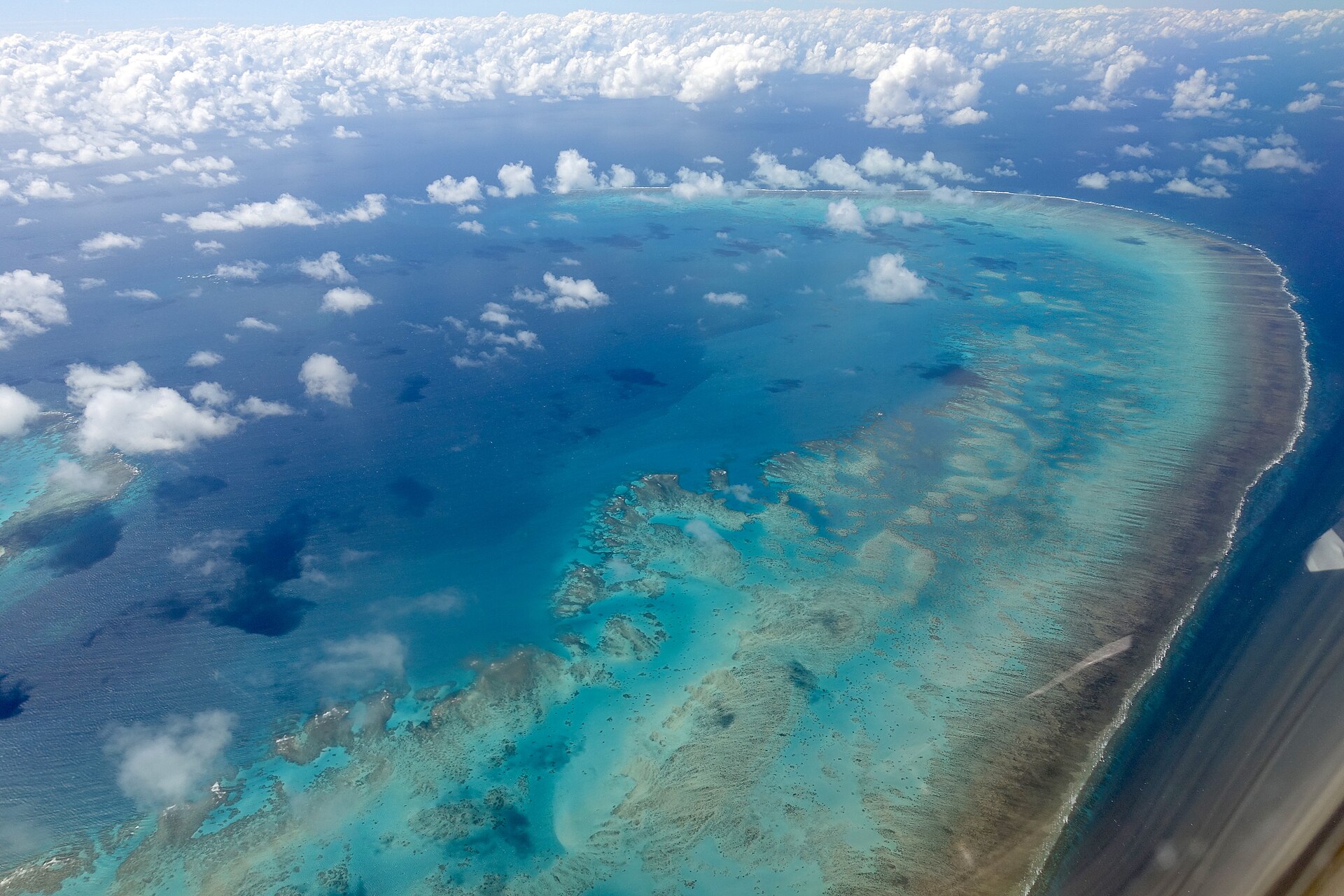
Recognised as a UNESCO World Heritage Site, the Great Barrier Reef is managed as a marine park, with zoning that limits fishing and development and large areas set aside for protection. It holds deep cultural importance for the Aboriginal and Torres Strait Islander peoples who have lived alongside it for tens of thousands of years, and it supports a major tourism economy.
Because reefs are so sensitive to the temperature and chemistry of the sea, the fate of the Great Barrier Reef has become one of the clearest measures of how the world's oceans are responding to a warming climate. Efforts to protect and restore it, from breeding heat-tolerant corals to cutting pollution, are watched closely around the world.
