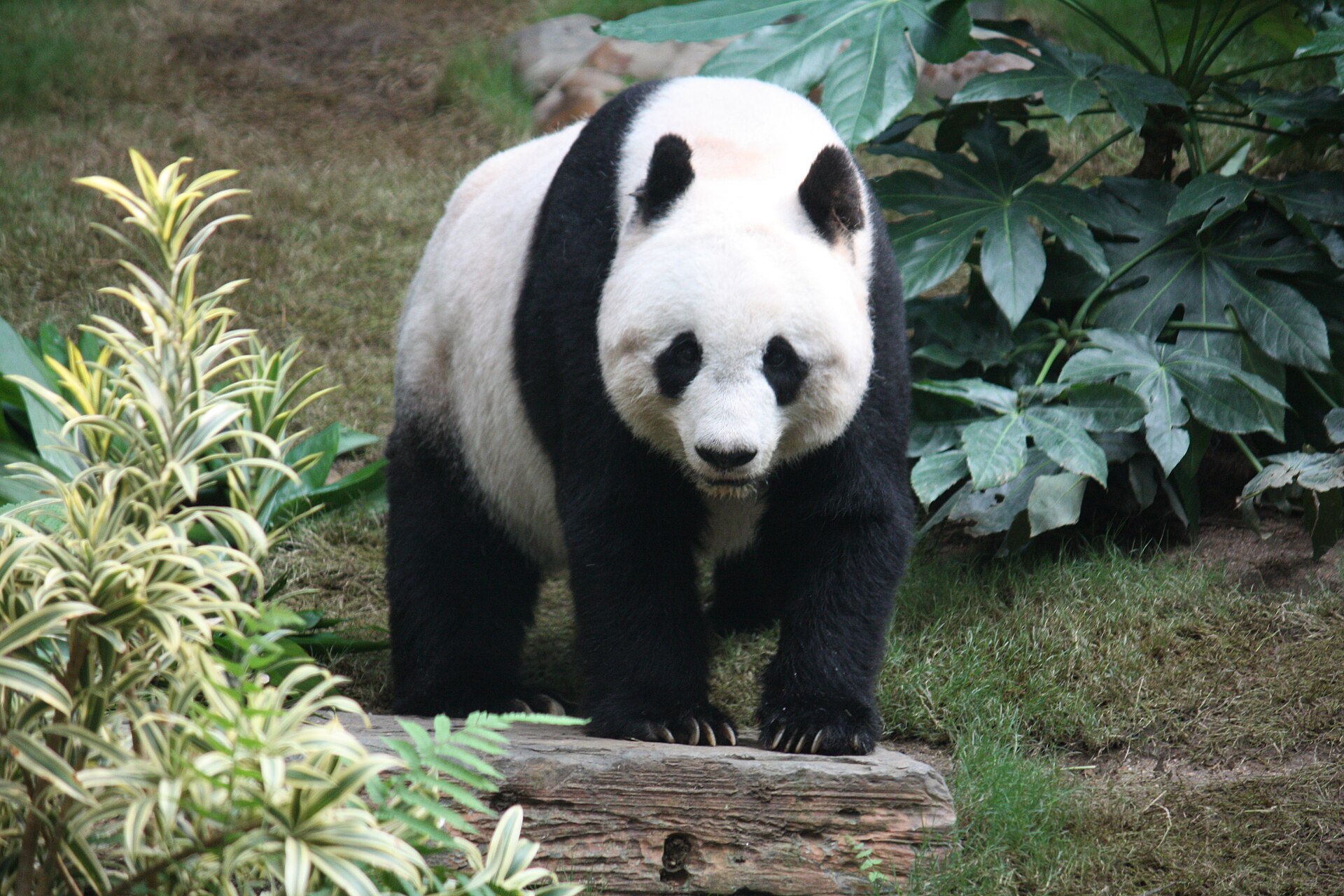
The giant panda is a bear native to the mountain forests of central China, beloved worldwide for its distinctive black-and-white coat and gentle, roly-poly appearance. Once on the edge of extinction, it has become the global symbol of wildlife conservation, and its image is recognised across the planet.
Although it is a member of the bear family and descends from meat-eating ancestors, the giant panda lives almost entirely on bamboo. Because bamboo is so low in nutrition, a panda must eat enormous quantities, spending up to fourteen hours a day feeding and consuming over ten kilograms of it daily.
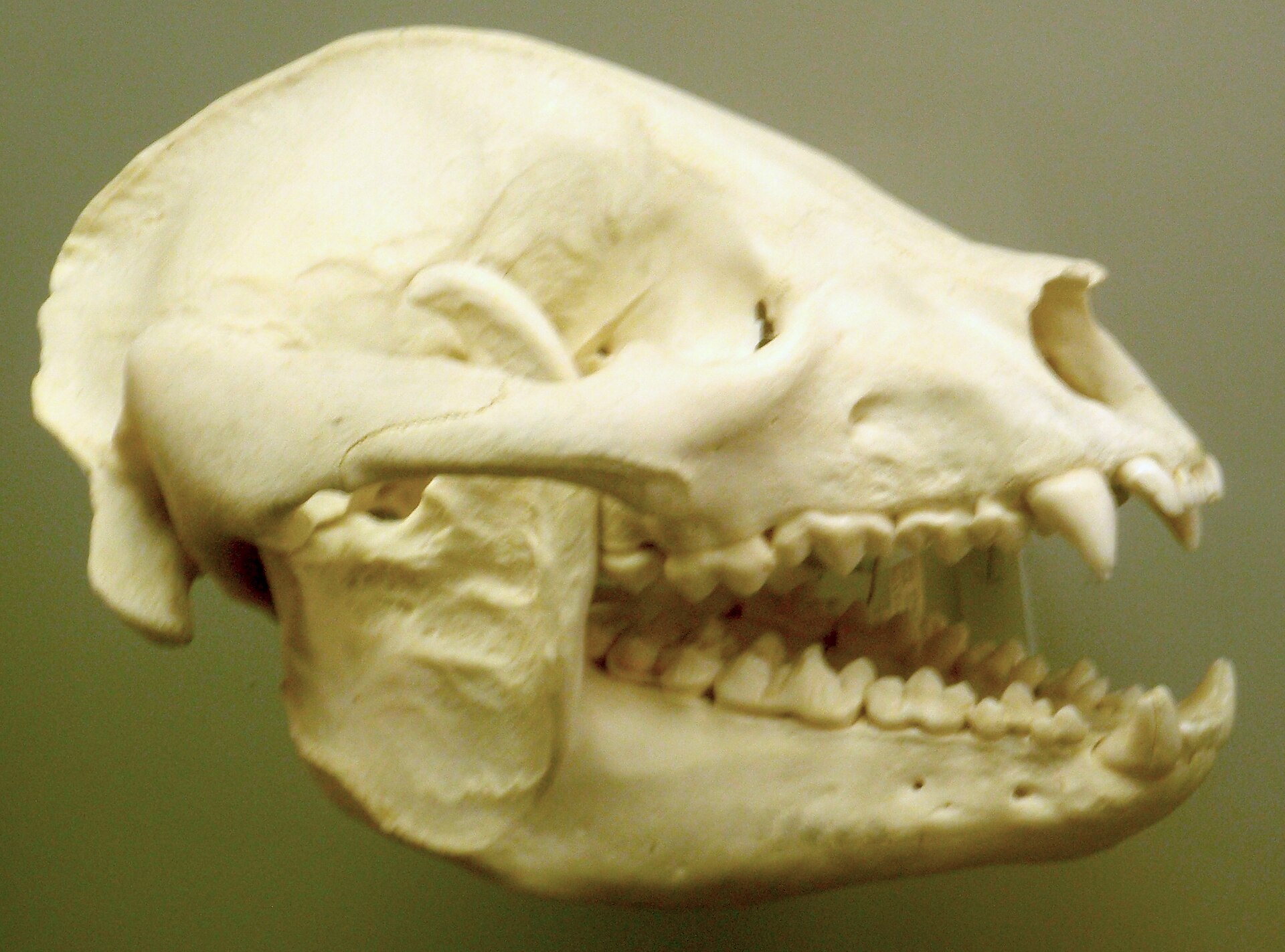
To handle the tough stalks the panda has a special enlarged wrist bone that works like an extra "thumb," letting it grip and strip the bamboo with surprising dexterity. Its digestive system, however, is still that of a carnivore, poorly suited to plants, which is part of why it must eat so much and rest so often.
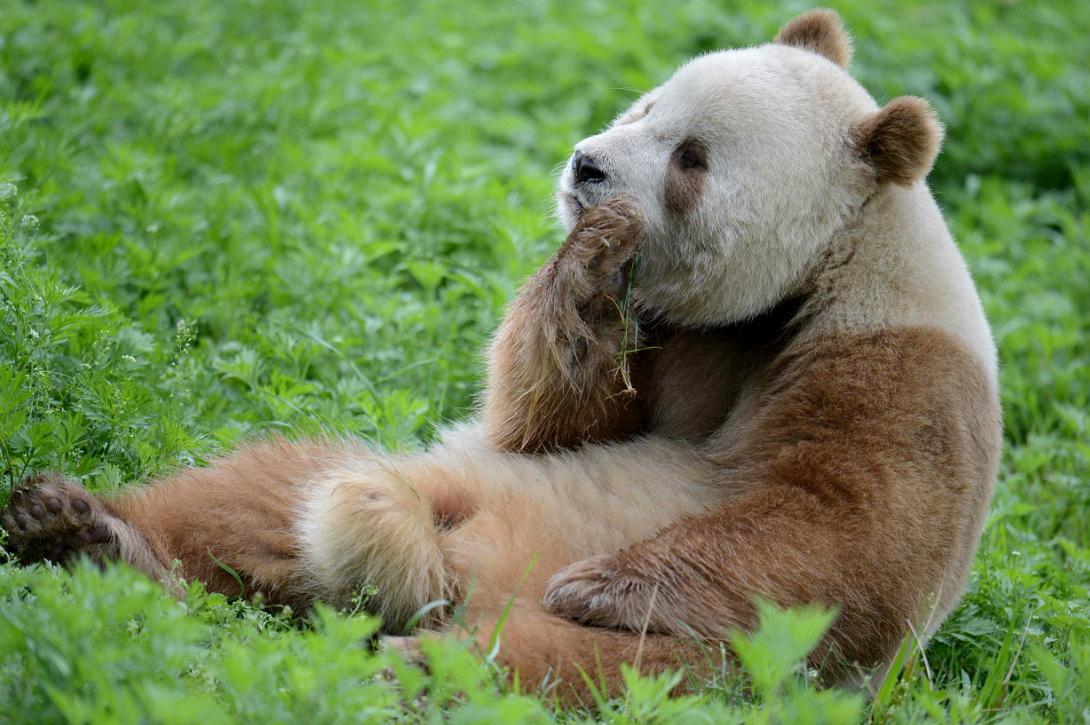
The panda's bold black-and-white pattern is among the most recognisable in the animal kingdom, and may help with camouflage in patchy snow and shade or with signalling to other pandas. A rare subspecies high in the Qinling Mountains, however, wears a softer brown-and-white coat instead of the familiar black.
Giant pandas live alone for most of the year in cool, damp bamboo forests high in the mountains, each within its own home range. They are generally solitary and quiet, coming together only briefly in the breeding season. Cubs are born tiny, pink, and helpless, astonishingly small compared with their mothers, and they depend on intense maternal care for many months before becoming independent.
The giant panda's survival has been threatened above all by the loss and fragmentation of its bamboo forests as human activity expanded into its range, squeezing the bears into ever smaller and more isolated patches of habitat.
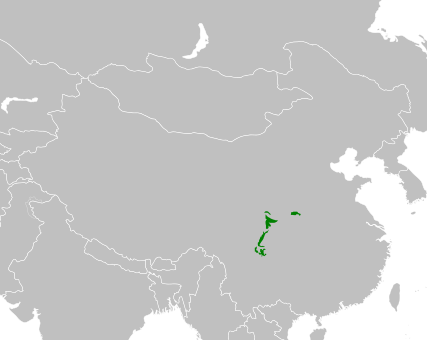
The giant panda has become the world's most famous emblem of endangered wildlife, chosen long ago as the symbol of a leading conservation organisation. China has responded with a vast network of panda reserves and one of the most intensive breeding and protection programmes ever devoted to a single species.
Decades of effort have begun to pay off. Wild panda numbers have risen enough that the species was reclassified from "endangered" to "vulnerable," a meaningful step back from the brink, even as it remains at risk. The panda's recovery shows what sustained protection can achieve, and the bear remains both a national treasure of China, often sent abroad as a gesture of goodwill, and a worldwide ambassador for the cause of saving nature.
