
Game theory is the mathematical study of strategic decision making, where the outcome for each participant depends not only on their own choice but on the choices of others. It provides a rigorous language for situations of conflict and cooperation, and it underpins large parts of modern economics, political science, biology, and computer science.
The field was founded in 1944 when the mathematician John von Neumann and the economist Oskar Morgenstern published *Theory of Games and Economic Behavior*. A few years later the mathematician John Nash generalized it dramatically, and his work later earned a share of the 1994 Nobel Prize in Economics.
The central concept is the Nash equilibrium: a set of strategies, one per player, in which no player can do better by changing their own choice alone. It captures the idea of a stable outcome in a world of self interested actors, each anticipating what the others will do.
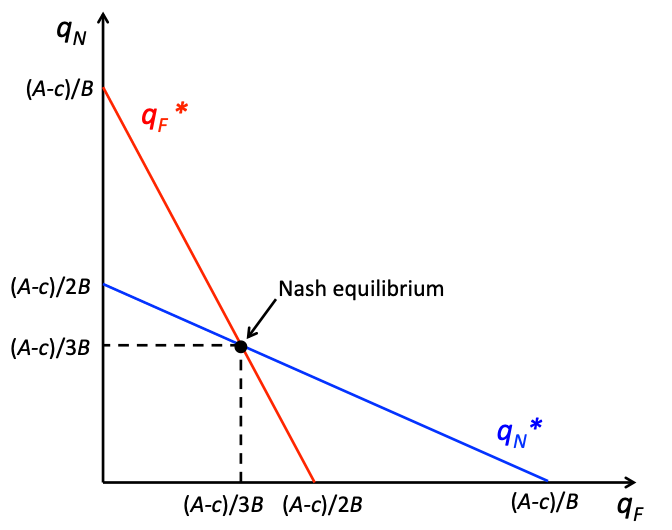
The famous prisoner's dilemma shows the theory's power and its sting. Two suspects, each offered a deal to betray the other, will both rationally choose to betray, even though both would be better off staying silent. It captures in miniature why self interested behaviour can lead to outcomes that are worse for everyone, from arms races to overfishing.
Real decisions are often made without knowing everything about the other players. Game theory was extended to handle such situations, where participants hold private information and must act on their beliefs about one another, a framework that proved essential for analysing auctions, bargaining, and insurance.
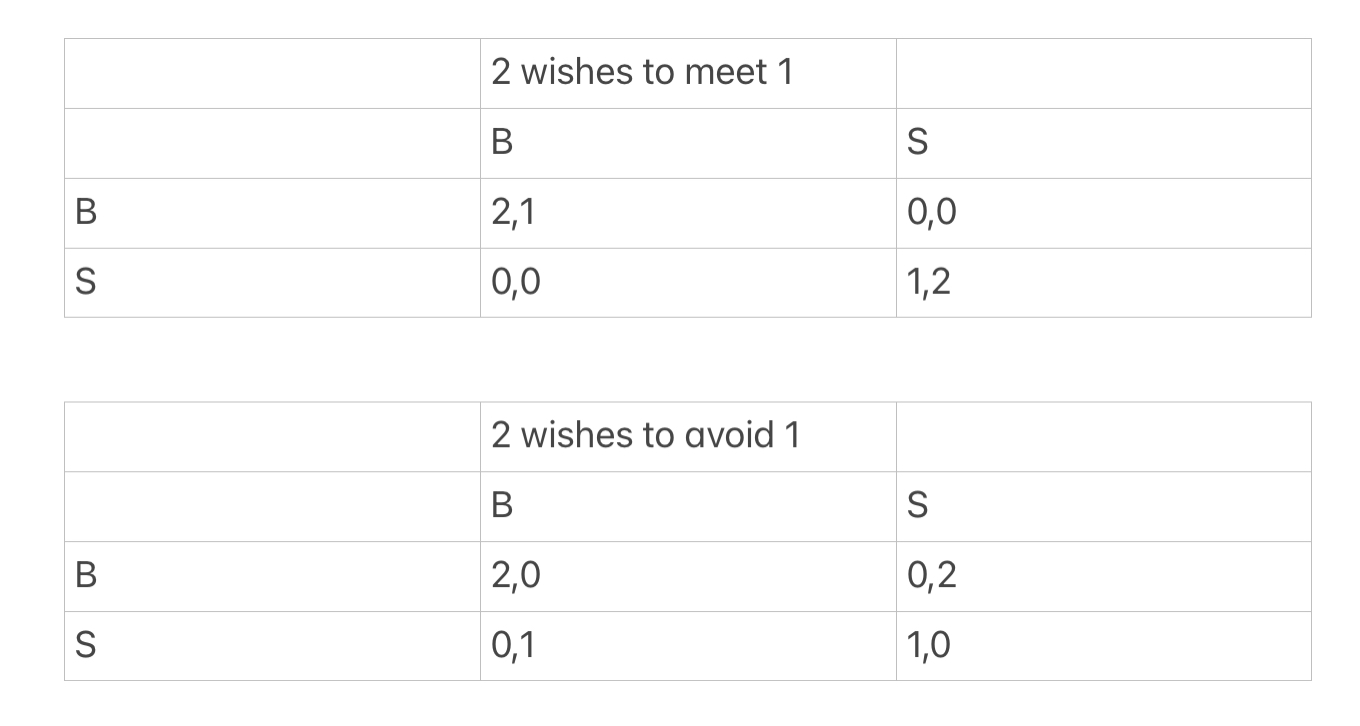
Game theory explains how firms set prices, how nations negotiate and deter one another, and how auctions and markets can be designed. In biology, evolutionary game theory explains stable mixes of animal behaviour. In computer science it shapes the design of algorithms, online advertising auctions, and cryptocurrency incentives.
Beyond its technical uses, game theory offers a powerful lens on everyday life. Whenever the best choice depends on what others will choose, from splitting a bill to picking a route home, the same logic of anticipation and equilibrium quietly applies. Wherever outcomes hinge on the interlocking choices of many actors, game theory provides the framework.
