Galileo Galilei (1564 to 1642) was an Italian astronomer, physicist, and engineer, often called the father of modern science. By insisting on observation and experiment, and by turning the new telescope to the sky, he helped launch the scientific revolution.
Born in Pisa, Galileo trained at first in medicine before turning to mathematics and natural philosophy. From the start he had a restless, questioning mind, unwilling to accept the authority of ancient writers without testing their claims against what he could see and measure for himself.
Galileo transformed the study of motion on Earth. Through careful experiment and reasoning, he showed that, ignoring air resistance, all objects fall at the same rate regardless of their weight, overturning a belief held since antiquity. He studied how things roll, swing, and accelerate, laying groundwork for Newton.
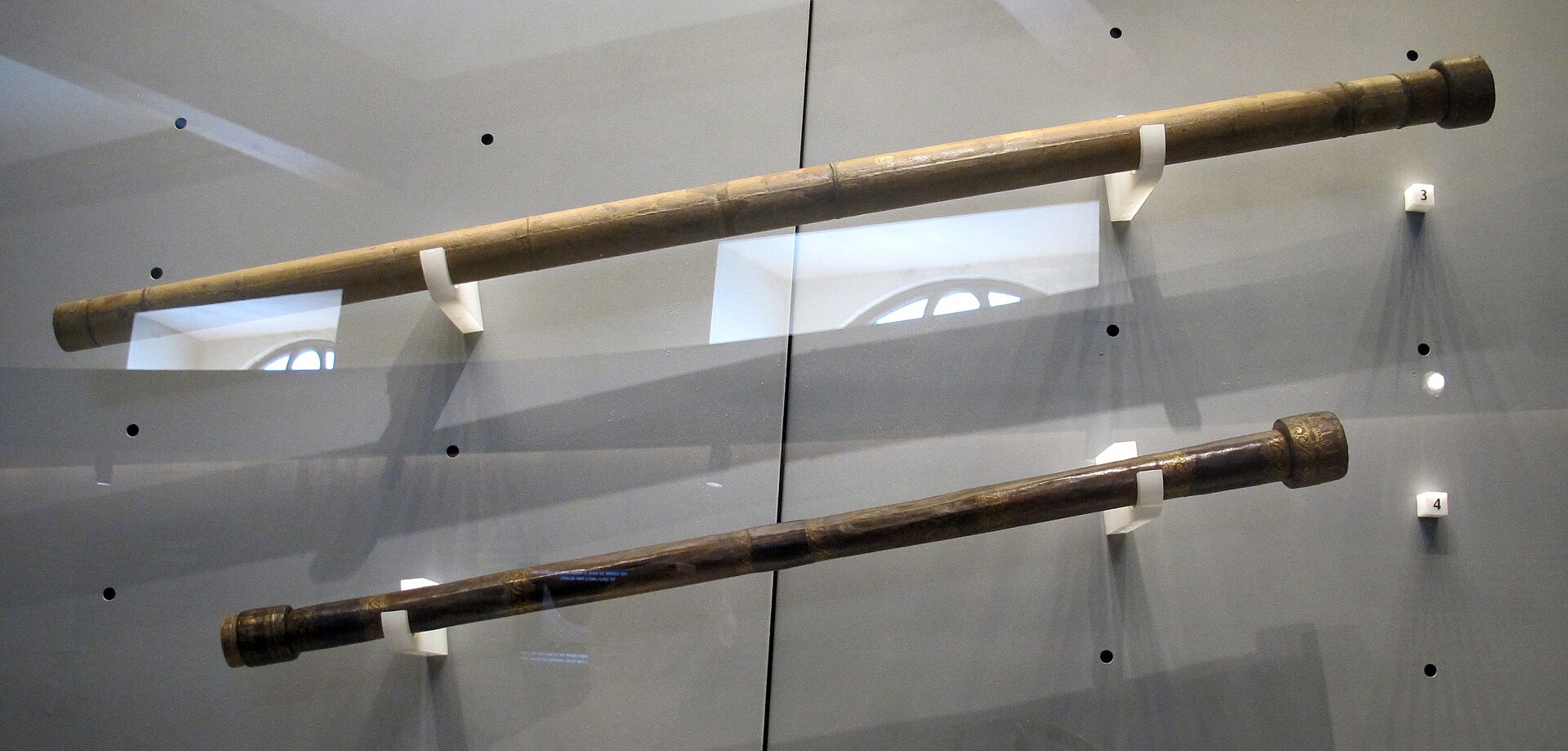
In 1609 Galileo built his own telescopes and pointed them at the night sky, becoming one of the first to do so systematically. What he saw was revolutionary, revealing a heavens far richer and stranger than anyone had imagined, and undermining the ancient view of a perfect, unchanging cosmos.
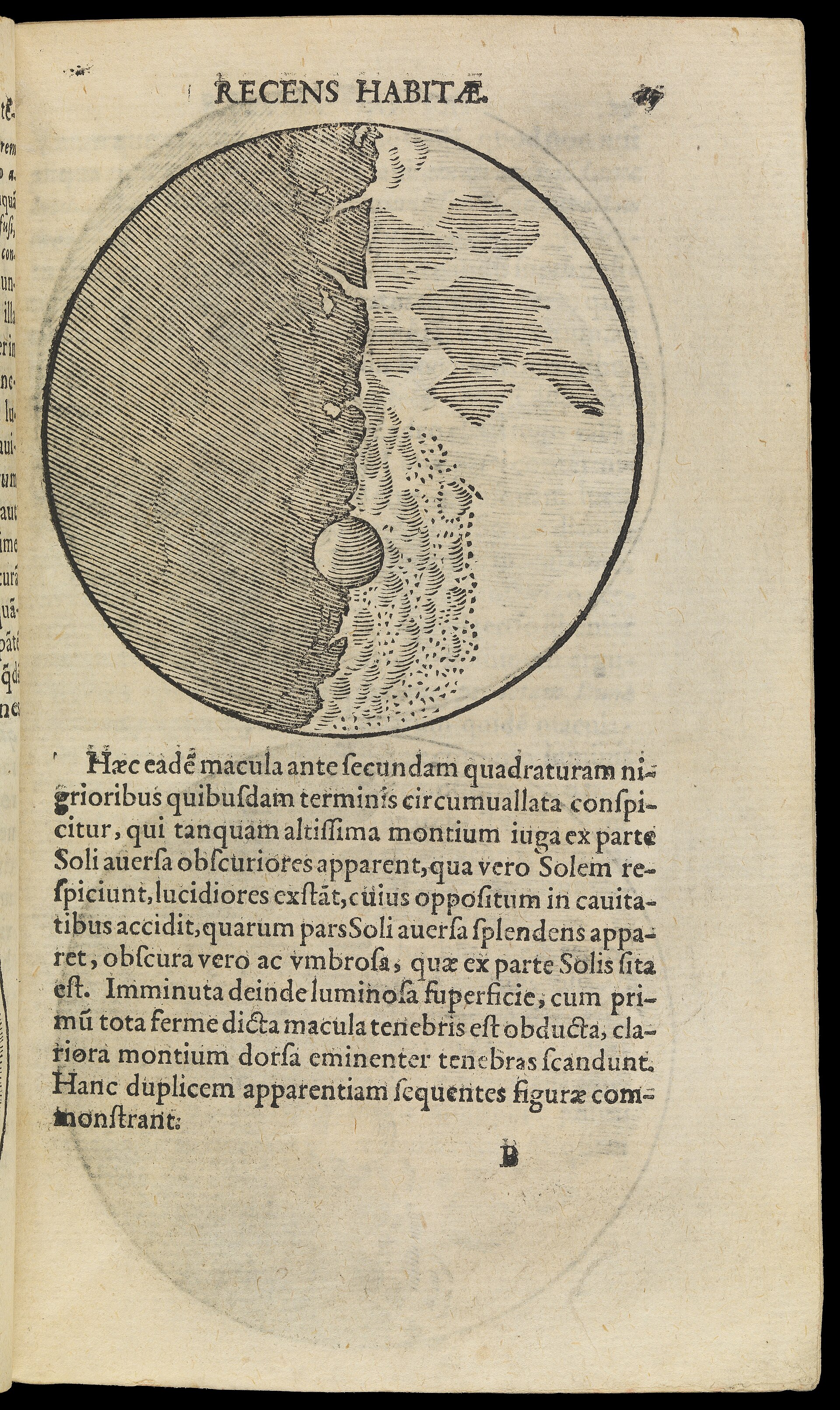
Galileo saw mountains and craters on the Moon, showing it was a world like the Earth, not a perfect sphere. He discovered four moons circling Jupiter, proving that not everything orbits the Earth. He saw the phases of Venus, which made sense only if it circled the Sun, and countless stars unseen before.
These discoveries led Galileo to champion the idea, then radical, that the Earth orbits the Sun rather than sitting at the centre of the universe. He argued his case forcefully and publicly, in works written in Italian so ordinary readers could follow, making powerful enemies in the process.
Galileo's support for the Sun centred system brought him into conflict with the Catholic Church, which held the Earth to be central. In 1633 he was put on trial, forced to recant his views, and kept under house arrest for the rest of his life, a famous clash between science and authority.
Even confined to his home and, in his final years, blind, Galileo continued to work, producing an important book on the science of motion and materials that summed up a lifetime of insight. His curiosity and productivity never failed, even under the shadow of his condemnation.
Galileo's deepest legacy was his method: the insistence on testing ideas by observation and measurement, rather than relying on ancient authority. This experimental approach lies at the heart of modern science, which is why he is remembered as one of its founding figures.
Galileo's discoveries could not be undone, and the Sun centred system he defended was proven right. Centuries later, the Church formally acknowledged its error. Today he is remembered as a courageous pioneer who changed how humanity sees the universe and how it pursues knowledge of nature.
