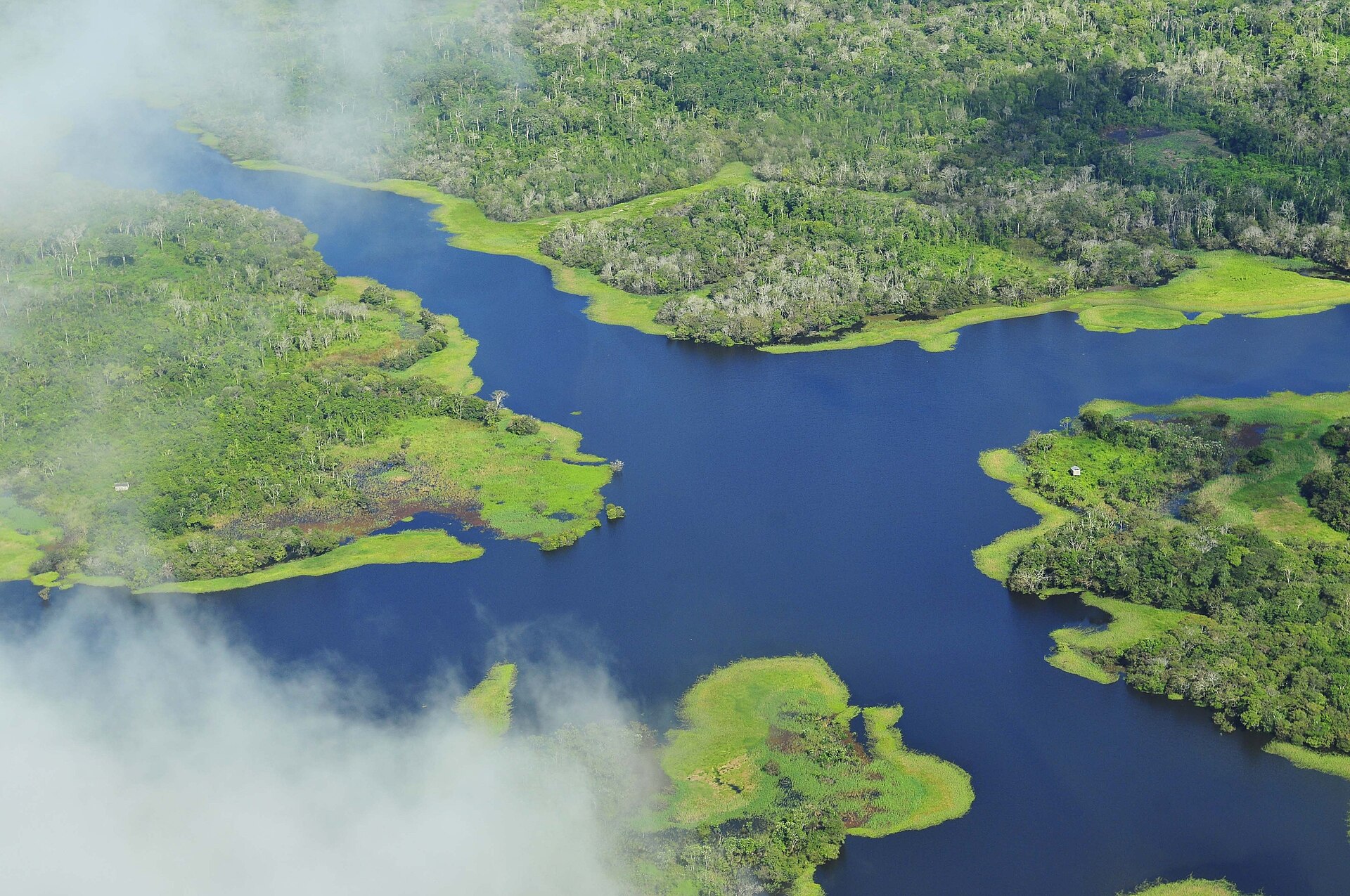
The Gaia hypothesis proposes that life and its physical environment on Earth form a single, self regulating system that keeps the planet suitable for living things. Put forward by the scientist James Lovelock in the 1970s, it suggests that organisms and their surroundings have evolved together as one tightly coupled whole.
Lovelock noticed that conditions on Earth, such as the temperature, the saltiness of the oceans, and the amount of oxygen in the air, have stayed within the narrow range life needs for billions of years, even as the Sun has grown steadily hotter. He proposed that life itself helps maintain this balance.
The stability is genuinely striking. Despite the Sun brightening by roughly a third over the history of life, Earth's surface temperature has remained broadly suited to liquid water and living things.
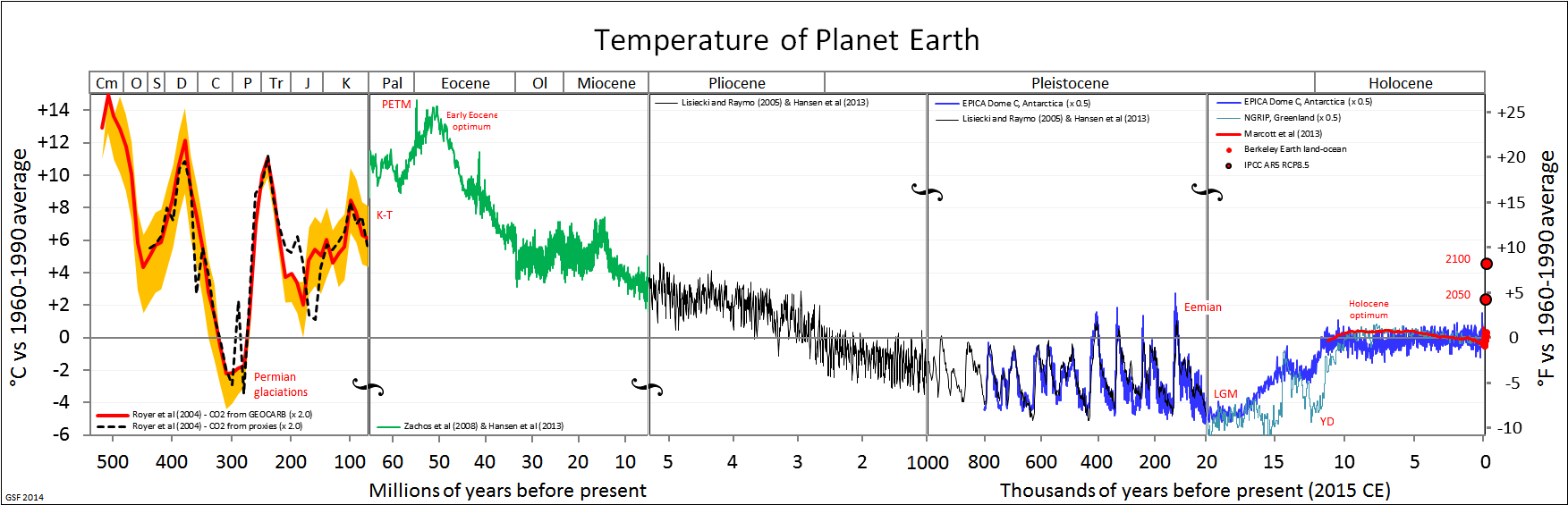
Lovelock argued that this was no accident, but the result of living things actively shaping the atmosphere, the oceans, and the climate.
Parts of the underlying science are not in doubt. Living things clearly do influence the planet on a vast scale. Photosynthesis by ancient microbes filled the atmosphere with the oxygen we breathe, forests affect rainfall and climate, and ocean life helps regulate the carbon cycle. The deep entanglement of life and environment is a cornerstone of modern Earth science.
The study of how life and environment shape one another also guides the search for life beyond Earth. By understanding what makes our own planet habitable, scientists hope to recognize the signs of habitability, or of life itself, on distant worlds.
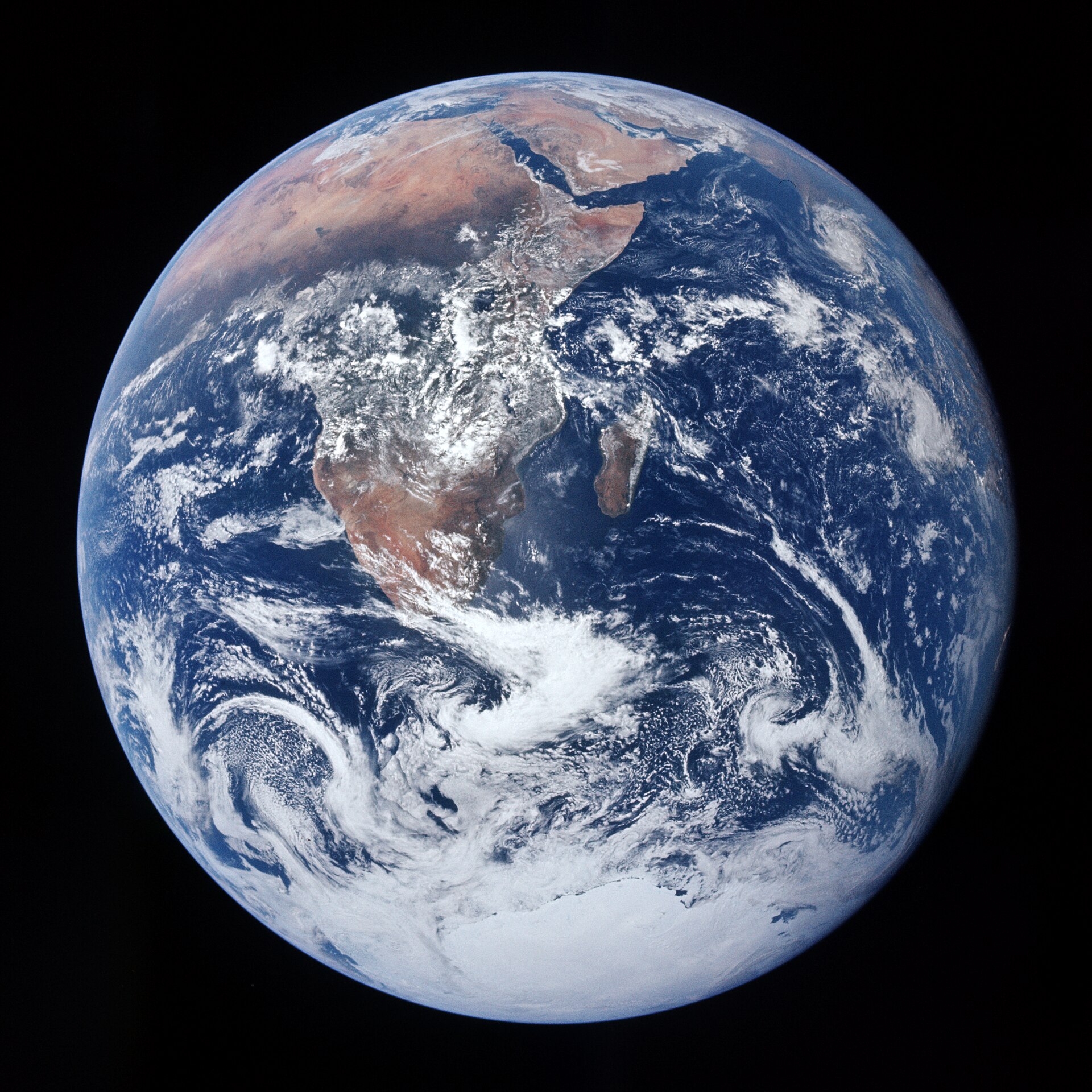
What remains a hypothesis, and a debated one, is the stronger claim that the whole system behaves almost as if it were regulating itself toward habitability, like a living organism maintaining its own body. This stronger version is where the real controversy lies.
Critics object that natural selection acts on individual organisms competing to survive, not on planets, and that any planetary stability is more likely a byproduct of countless local processes than a goal the system pursues. Supporters reply that feedbacks between life and environment can produce self regulation without any foresight or purpose.
Whatever its ultimate fate, the Gaia hypothesis has been enormously influential. It helped inspire the modern view of the Earth as a single interconnected system, a perspective now central to climate science and to our understanding of how human activity is reshaping the planet.
