
Free will is the question of whether people are truly free to choose their actions, or whether every choice is the inevitable product of prior causes. It is one of the oldest and most fiercely debated questions in philosophy, and modern physics and neuroscience have only sharpened the disagreement rather than settling it.
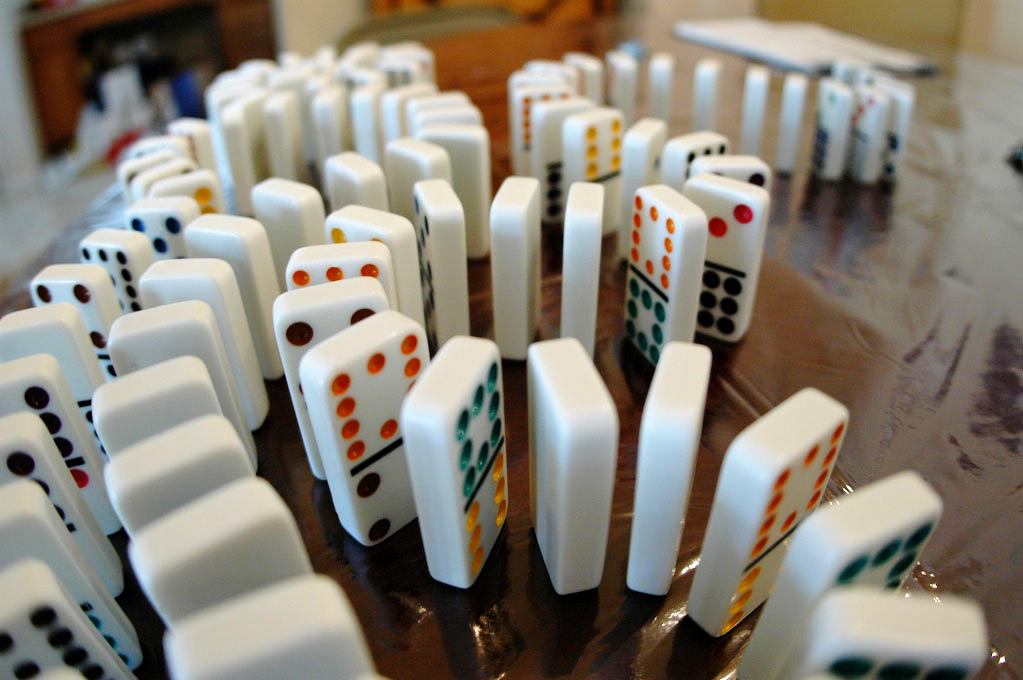
If the universe unfolds according to physical laws, then in principle every event, including the firing of the neurons that produce a decision, may be fixed by the state of things that came before. That seems to leave no room for genuine, open choice.
Yet our entire experience of deliberating and deciding, along with deeply held ideas about moral responsibility, praise, and blame, assumes that we really do choose, and could have chosen otherwise. If free will is an illusion, it is not obvious what becomes of justice, punishment, and the sense that our lives are genuinely our own to direct.
There is no consensus, and the major camps have defended their ground for centuries. Hard determinists hold that free will is an illusion produced by our ignorance of the causes acting on us. Libertarians, in the philosophical sense, insist that genuine free choice is real and that determinism must therefore be incomplete.
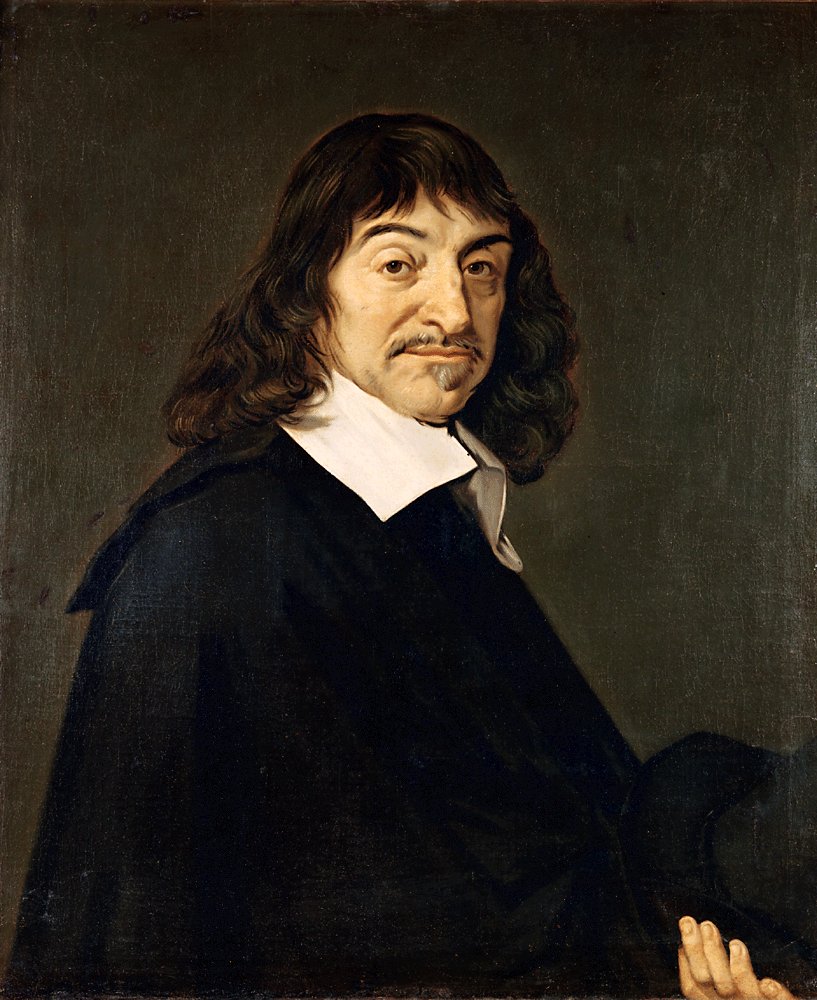
Compatibilists take a middle path, redefining free will as the ability to act according to one's own reasons and desires, which they argue is perfectly compatible with a law governed universe. On this view, a choice is free if it flows from your own character and deliberation, even if that character was itself shaped by prior causes.
Experiments in neuroscience have shown that measurable brain activity can precede a person's conscious awareness of having decided, which some take as evidence that the conscious self is not really in charge. Others vigorously dispute that interpretation, arguing that the experiments measure something far narrower than genuine, considered choice.
The debate reaches into physics, biology, philosophy, religion, and the law, where notions of responsibility hang on it. With thoughtful people firmly on every side, and the everyday feeling of choosing as strong as ever, free will remains a genuinely open and unusually personal question.
