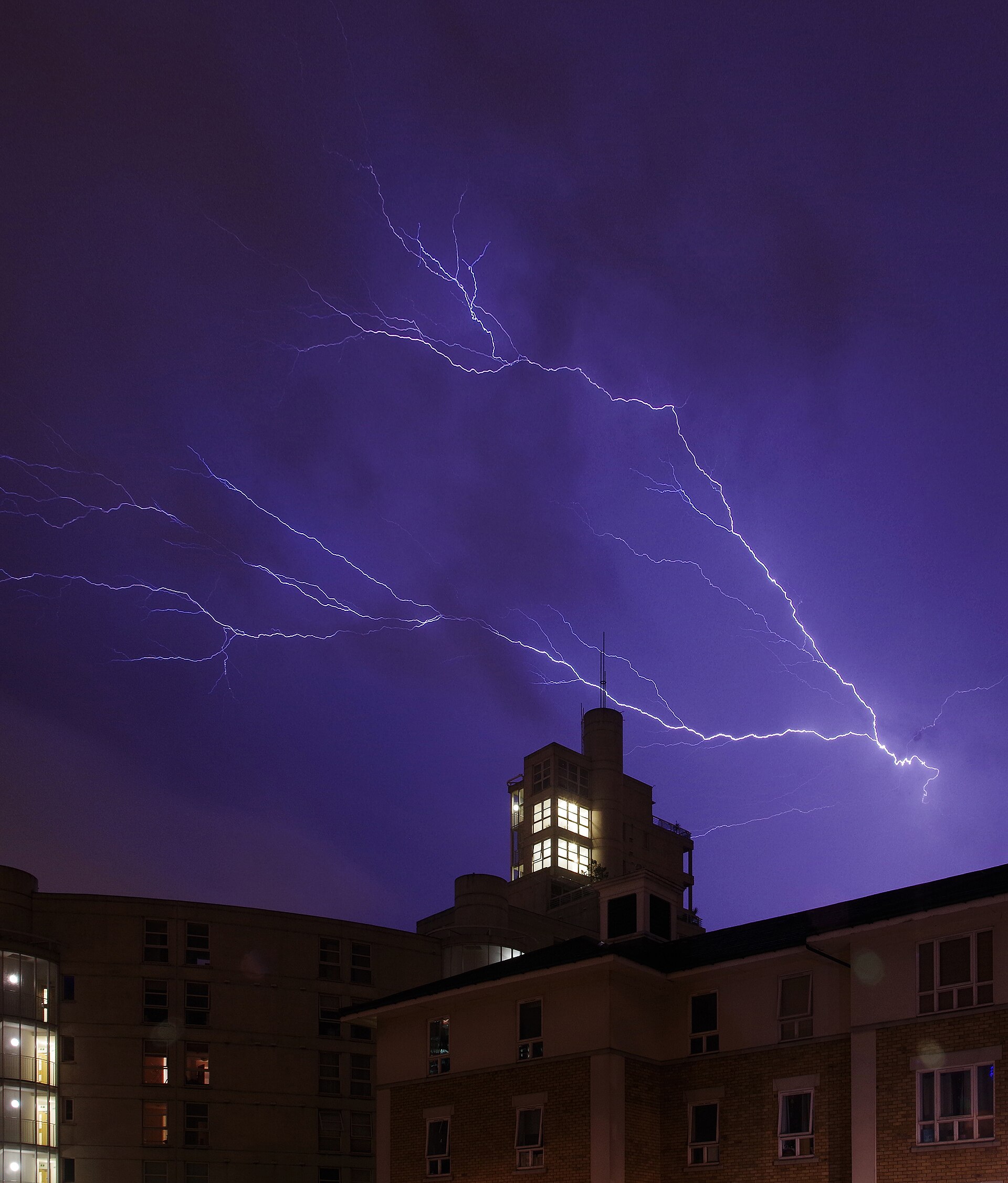
Electricity is the flow and presence of electric charge, one of the fundamental forces of nature and the power source of the modern world. From the lightning in a storm to the device you are reading this on, electricity shapes both the natural world and nearly every part of daily life.
Electricity arises from a basic property of matter called electric charge, which comes in two kinds, positive and negative. Like charges repel and opposite charges attract, and it is the movement of charged particles, usually electrons, that we call an electric current. Pushing this current through a wire requires a kind of pressure, called voltage, and materials that let current flow easily are conductors, such as metals, while those that block it are insulators, such as rubber and glass.
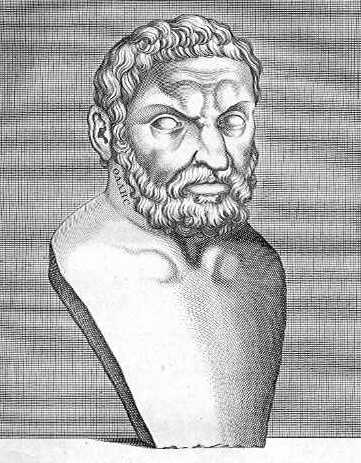
People noticed electricity's effects long before they understood them. The ancient Greeks knew that rubbing amber with fur let it attract light objects, an early brush with static electricity; indeed, the word "electricity" comes from the Greek word for amber. For centuries this remained a curiosity rather than a force anyone could use.
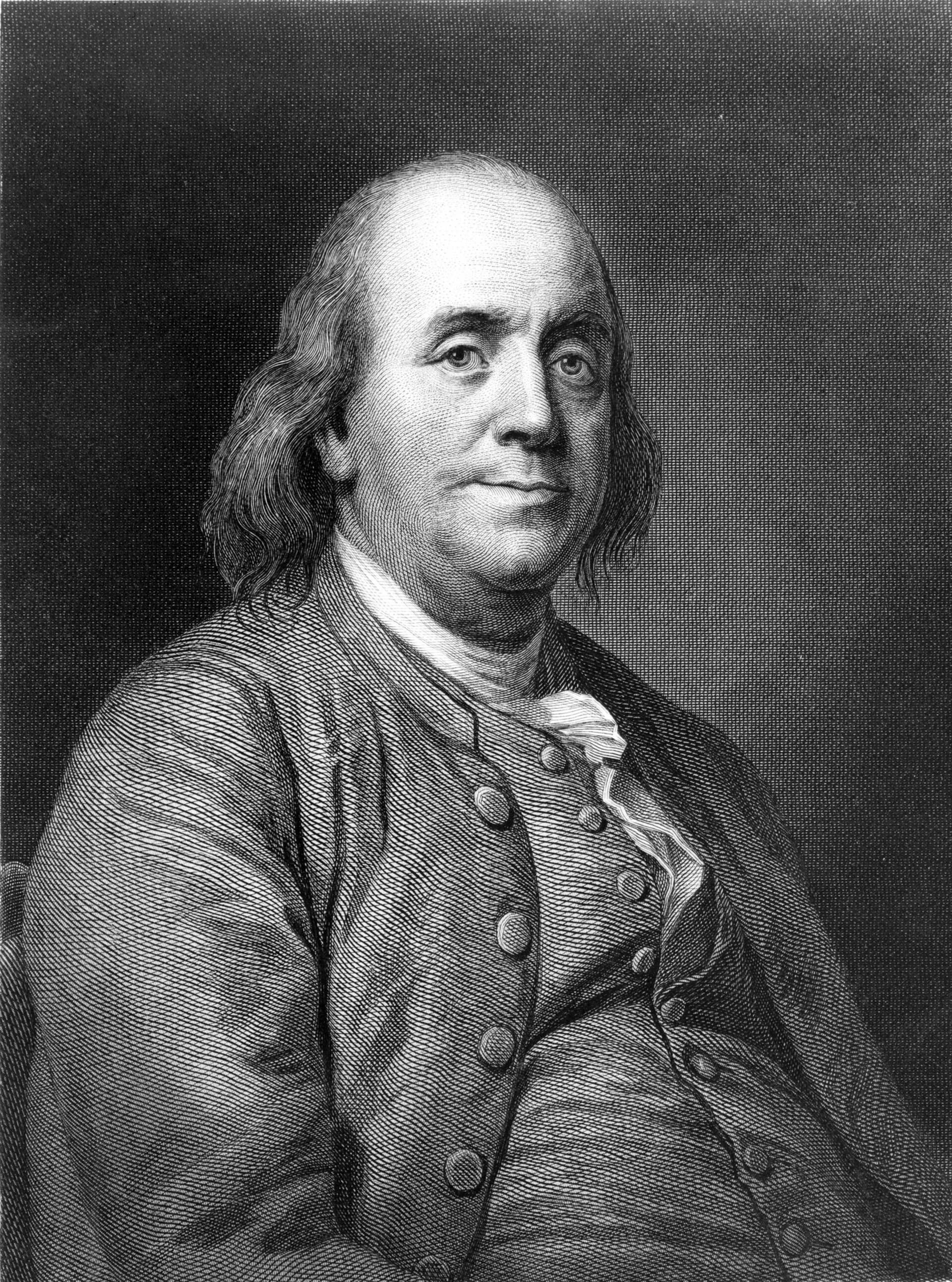
Understanding advanced in the eighteenth century, when experimenters learned to store and study electric charge. Benjamin Franklin's famous, and dangerous, investigations showed that the lightning in a storm and the spark from a laboratory jar were one and the same force, linking the grandest natural display to something that could be studied on a bench.
One of the great discoveries of science is that electricity and magnetism are deeply linked, two aspects of a single force called electromagnetism. A moving electric charge creates a magnetic field, and a changing magnetic field can drive an electric current. This relationship, worked out in the nineteenth century, is the principle behind the electric generators that produce nearly all our power and the electric motors that turn it back into motion.
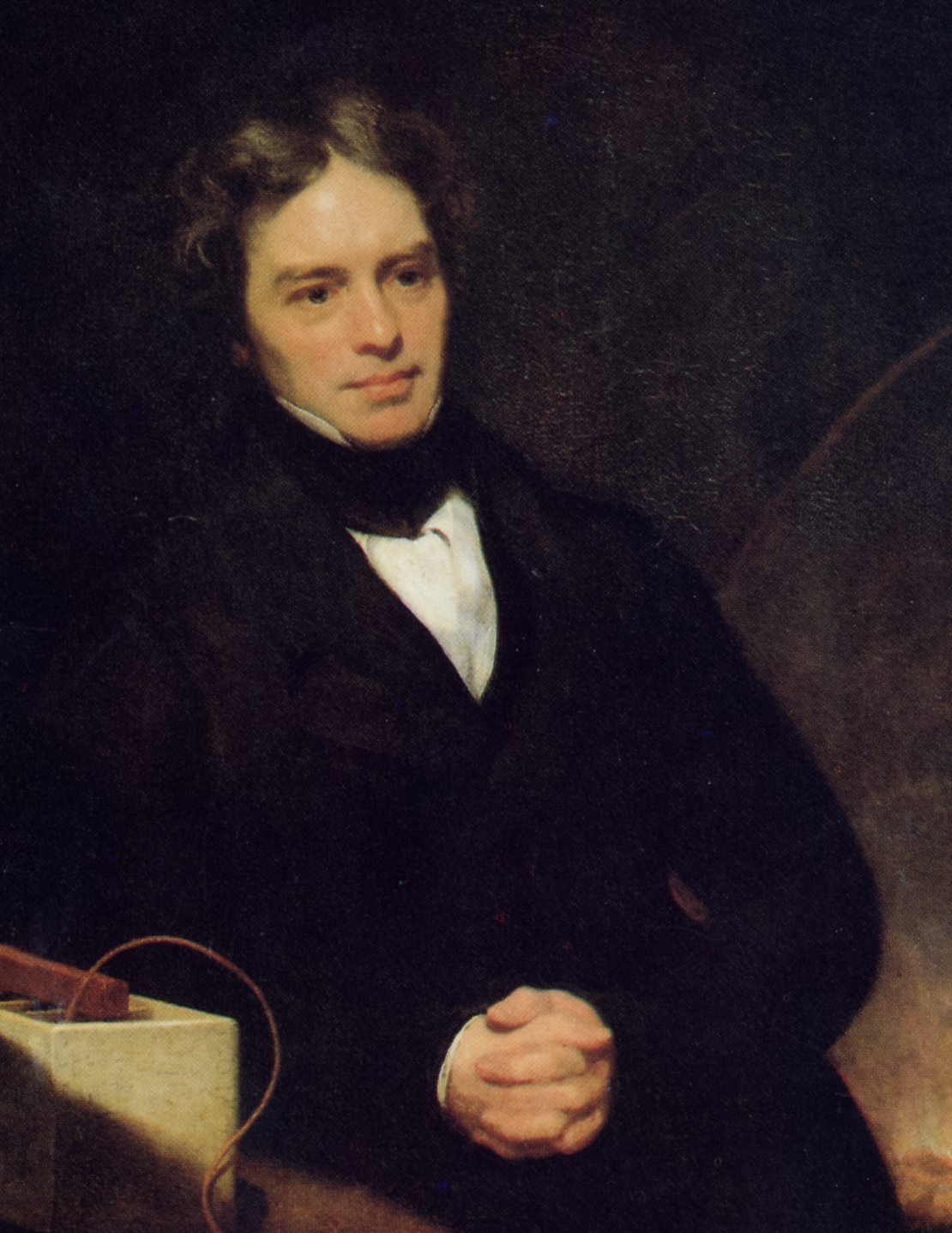
Almost all the electricity we use is generated by spinning magnets inside coils of wire, whether the spinning is driven by steam from burning coal or gas, by nuclear heat, by falling water, or by wind. The electricity is then carried across vast distances through networks of high-voltage power lines, the grid, and stepped down to safer levels to reach homes and businesses.
This system, built up over little more than a century, underpins almost everything in modern society, giving us light, heat, communication, computing, and countless machines. Few inventions have changed daily life so completely or so quickly as the harnessing of electric power.
Today the great challenge is generating electricity cleanly and storing it efficiently, as the world works to shift from fossil fuels to renewable sources and to power an ever more electrified future of vehicles, homes, and industry. The story of electricity, from rubbed amber to the modern grid, is far from over.
