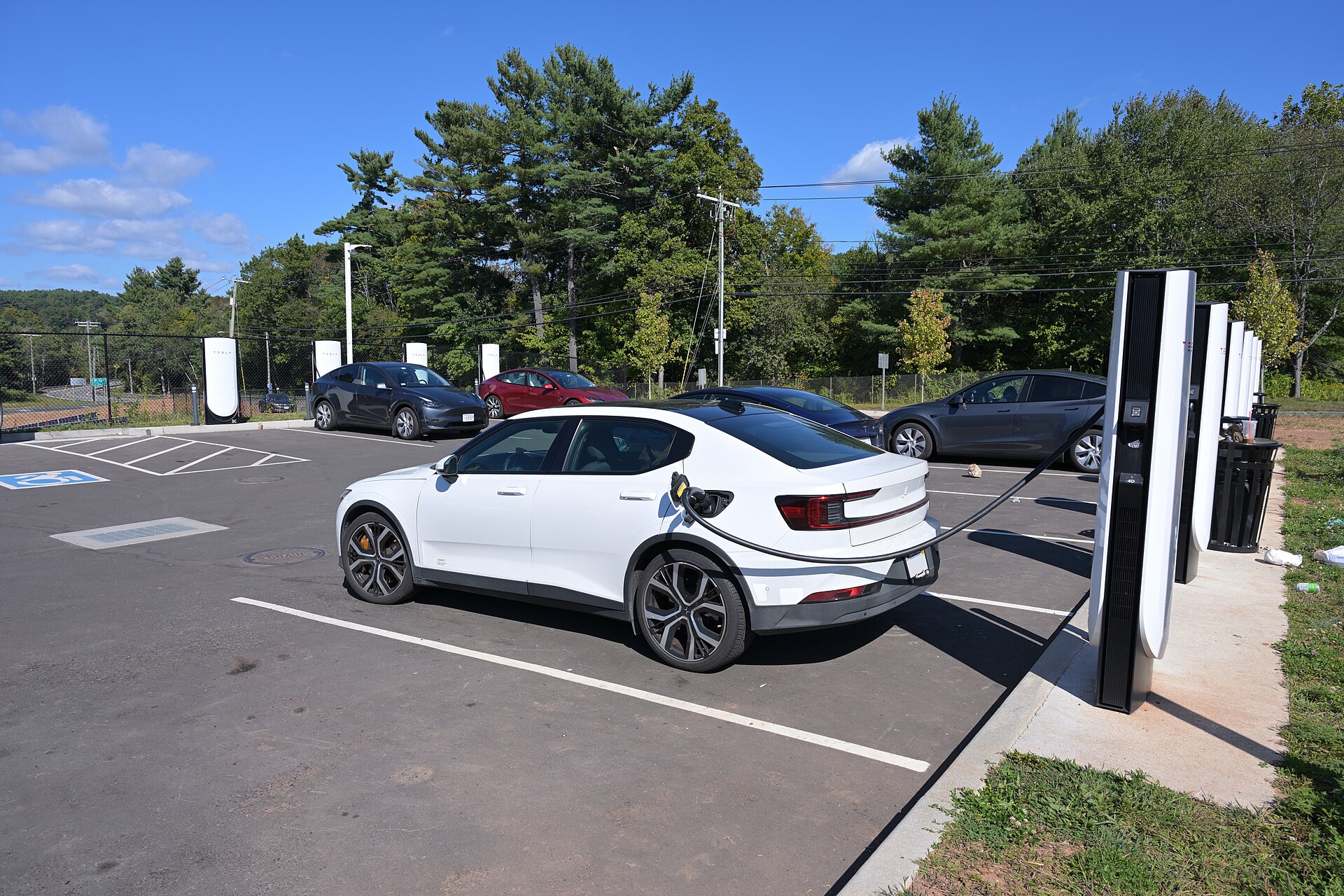
Electric vehicles, or EVs, are cars and other vehicles powered by electric motors and batteries instead of by burning petrol or diesel. Once a niche curiosity, they are now transforming transport as the world seeks cleaner ways to move.
An electric vehicle stores energy in a large rechargeable battery and uses it to drive electric motors, which turn the wheels. Electric motors are quiet, efficient, and deliver power smoothly and instantly. Drivers recharge the battery by plugging in, at home or at public charging stations, rather than filling a tank with fuel.
Because EVs burn no fuel, they produce no exhaust emissions from the vehicle itself, improving air quality in towns and cities. They also have far fewer moving parts than a traditional engine, which can make them simpler and more reliable, with less to wear out and maintain.

Electric cars are not new; in fact, they were among the earliest automobiles, popular in the late nineteenth and early twentieth centuries before cheap petrol and the gasoline engine pushed them aside. The recent revival is a return, in a sense, to a very old idea, now made practical by modern technology.
The key to the EV revival has been dramatic advances in battery technology. Better, cheaper, longer lasting batteries have made electric cars more affordable and given them the range to compete with petrol vehicles, overcoming the main obstacles that had long held them back.
Spurred by these advances and by concern over climate change and air pollution, electric vehicles are growing rapidly. Major carmakers now offer many electric models, sales are rising sharply, and governments around the world are encouraging the shift, some even planning to phase out new petrol and diesel cars.
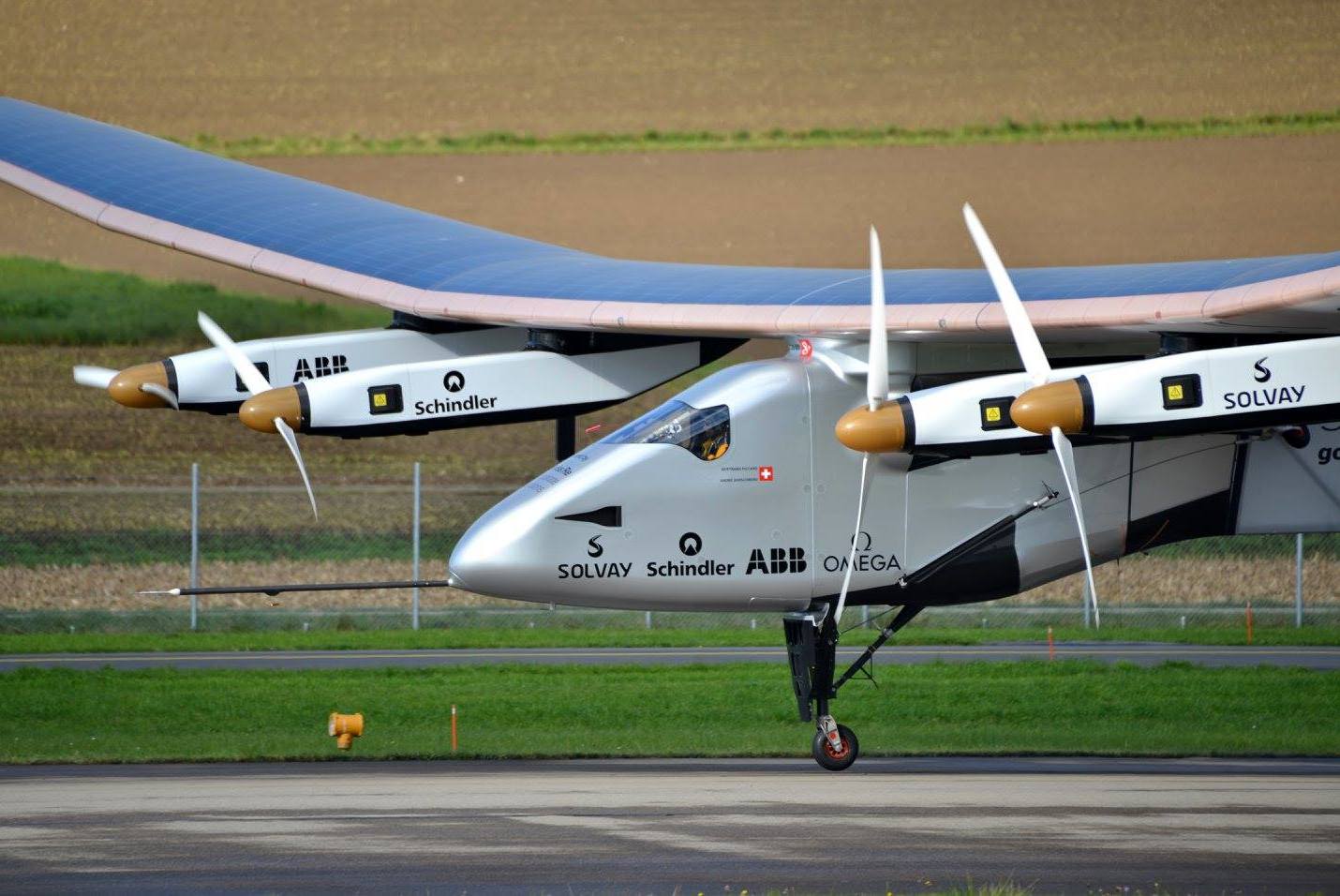
Electric power is spreading far beyond cars. It already drives buses, trains, motorcycles, and delivery vans, and engineers are working to electrify trucks, ships, and even aircraft. As batteries improve, more and more forms of transport are being reimagined to run on electricity rather than fuel.
The shift is not without challenges. Batteries are costly and rely on materials that must be mined and processed, raising environmental and supply concerns. More charging stations are needed, and the benefit to the climate depends on how the electricity is generated, since power from coal is far dirtier than power from the wind or sun.
Electric vehicles promise cleaner air and lower carbon emissions, especially as the electricity that powers them comes increasingly from renewable sources. The shift to electric transport is one of the most important changes underway in the effort to combat climate change and build a more sustainable future.
