The Drake equation is a famous formula that estimates how many communicating alien civilizations might exist in our galaxy. It is less a precise calculation than a way of organizing the great unknowns in the search for extraterrestrial life.
Written by the astronomer Frank Drake in 1961, the equation multiplies together a chain of factors: how often stars form, how many have planets, how many of those planets could support life, how often life and then intelligence arise, how many become technological, and how long such civilizations last and send signals.

The equation's real genius is to take an impossibly large question, "are we alone?", and break it into smaller pieces, each of which can, at least in principle, be studied. Rather than guessing wildly, scientists can focus on one factor at a time, building toward an answer step by step.
The first few factors are now reasonably well measured. We know how often stars form, and recent discoveries have revealed that planets are extremely common, with most stars hosting them. Many of these planets lie in the "habitable zone," at the right distance for liquid water to exist on their surface.
The trouble lies in the later factors. How readily does life actually begin on a suitable world? How often does it become intelligent? How long do technological civilizations survive before they fall silent? These questions are almost completely unknown, and on them the whole answer turns.
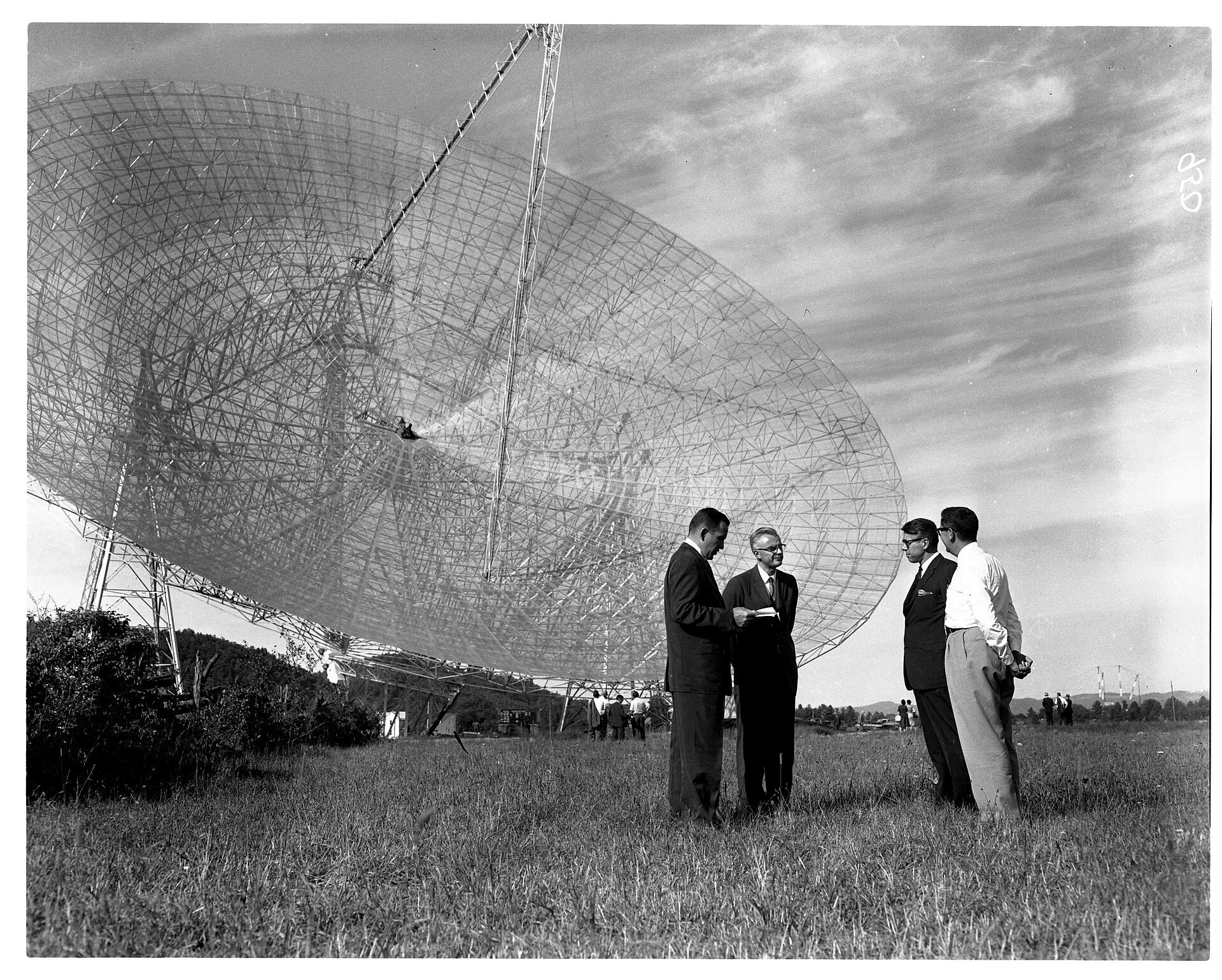
Because the later factors are so uncertain, the equation does not give a firm number. Plug in optimistic guesses and the galaxy teems with civilizations; plug in pessimistic ones and we may be alone. The final answer can range over many orders of magnitude, depending entirely on assumptions no one can yet pin down.
The equation sharpens a famous puzzle. If civilizations should be common, why have we seen no sign of them? This contrast between the apparent likelihood of alien life and our utter failure to detect it, known as the Fermi paradox, deepens the mystery the Drake equation lays out.
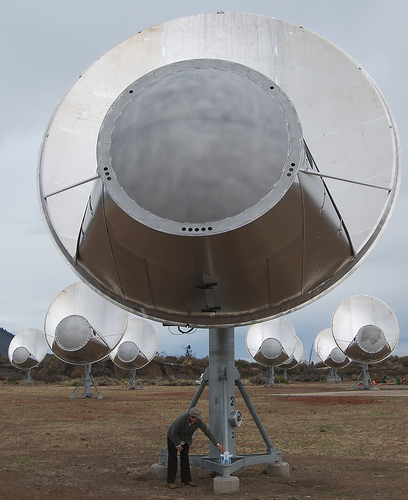
The equation's lasting value is not as a calculator but as a framework. It frames the work of programs that scan the skies for radio or light signals from other worlds, and it guides which questions science should try to answer next, focusing the search for life beyond Earth.
The Drake equation keeps alive one of humanity's oldest and deepest questions, organized for the first time into a form science can grapple with. Whether the galaxy is crowded with voices or eerily empty, the equation reminds us how much we still do not know, and how profound the answer would be.
